Kratom has become increasingly popular among people exploring herbal alternatives for various purposes. If you’re new to this botanical substance or looking to refine your understanding of proper usage, you’ve come to the right place. This comprehensive guide covers everything you need to know about finding the right amount for your needs.
The world of herbal supplements can be confusing, especially when you’re trying to figure out how much to take. Unlike conventional medication with standard doses printed on every bottle, figuring out your ideal amount requires a bit more knowledge and experimentation. This guide aims to demystify that process and help you approach Kratom use with confidence.
Understanding how much Kratom to take isn’t about following a one-size-fits-all formula. Several factors influence what works best for each individual, including body weight, tolerance levels, the specific product form you’re using, and what you’re hoping to achieve. Let’s break all of this down step by step.
What Is Kratom?
Kratom comes from the leaves of the Mitragyna speciosa tree, a tropical plant native to Southeast Asia. People in that region have used it for centuries in various forms, often brewing it as tea or chewing the fresh leaves. The tree belongs to the coffee family, which might surprise some people given its very different effects.
The primary active compounds in Kratom leaves are mitragynine and 7-hydroxymitragynine. These alkaloids interact with receptors in your body in ways that produce the effects people experience. Understanding that these compounds are present helps explain why dosage matters and why finding your optimal amount is so important.
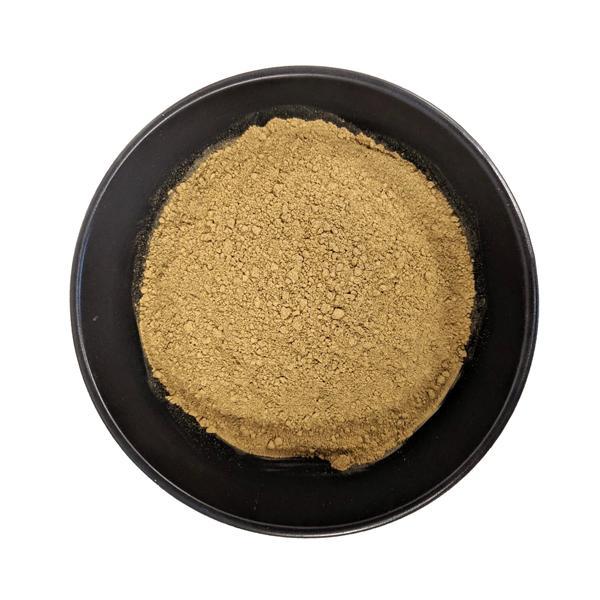
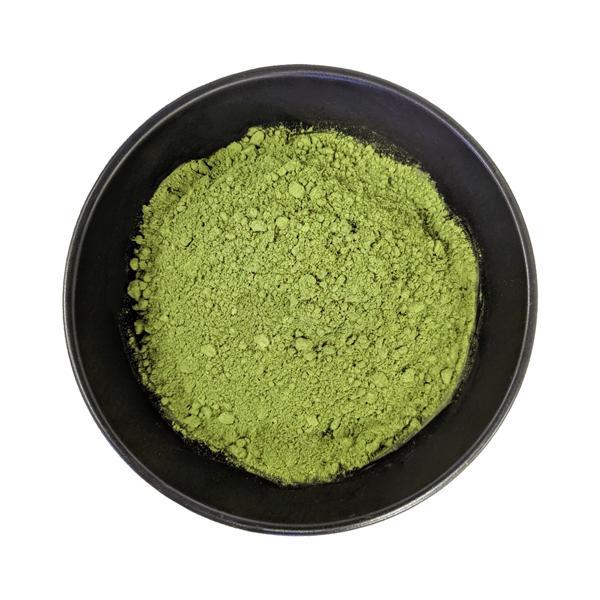
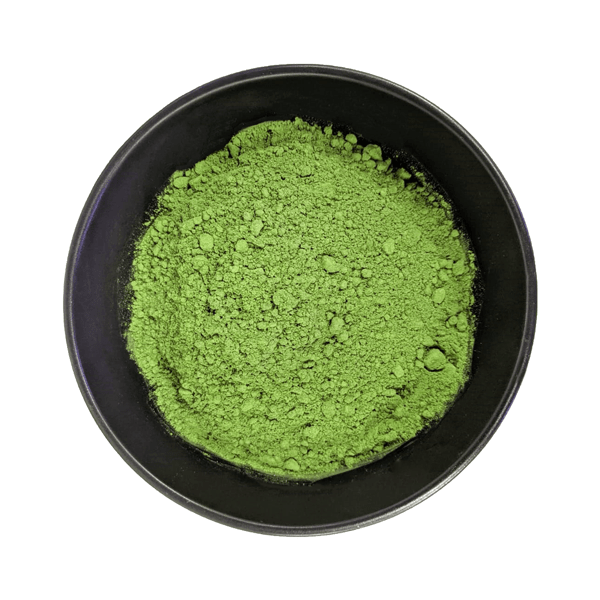
Today, Kratom is available in several different forms throughout the market. The most common varieties include dried leaf powder, capsules, extracts, and crushed leaf for brewing. Each form has its own characteristics when it comes to dosing, which we’ll explore in detail later in this guide.
Kratom users in the U.S. and other countries typically turn to this herb for different reasons. Some appreciate its potential to support daily routines, while others enjoy the calming properties it may offer. The versatility of effects is one reason people find value in experimenting with different dosage levels.
Why Dosage Matters
Getting your Kratom dosage right makes a significant difference in your overall experience. Taking too little might not produce the effects you’re looking for, while going too far can lead to an unpleasant experience. Finding that sweet spot in the middle is what every user aims for.
Think of it like making the perfect cup of tea. Too few leaves and your tea tastes like colored water. Too many and it becomes bitter and overpowering. The same principle applies here. Your goal is to find the amount that delivers the benefits you want without going overboard.
The concept of dose in biochemistry refers to the specific amount of a substance that produces a particular effect in the body. This varies from person to person based on numerous individual factors. What works wonderfully for your friend might not be ideal for you, and that’s completely normal.
Different amounts can also produce different effects. Lower doses tend to offer more energizing qualities, while moderate to higher doses often provide more calming sensations. This dose-dependent effect is one of the most interesting aspects of Kratom and explains why people adjust their intake based on their needs at any given time.
Understanding proper dosing also helps you make the most of your Kratom products. Since you typically pay by weight, knowing exactly how much you need means you’re not wasting product or money. Efficient use of any supplement starts with understanding proper portion sizes.
Factors That Affect Your Ideal Dose
Before we get into specific numbers, we need to discuss why those numbers vary so much from person to person. Several key factors determine what amount will work best for you, and understanding these will help you make smarter decisions about your Kratom use.
Body weight and composition play a significant role in how your body processes any substance, including herbal supplements. Generally speaking, individuals with higher body weight may need slightly larger amounts to experience similar effects compared to lighter individuals. However, this isn’t an exact science, and other factors often matter more.
Tolerance levels develop over time with regular use. If you’ve been using Kratom for weeks or months, you might find that your original amount doesn’t seem as effective as it once did. This is a normal response that happens with many substances. Experienced users often need higher doses than beginners to achieve comparable effects.
The specific product form you’re using makes a big difference. Kratom powder is more concentrated than dried leaf, and extracts are even more potent. A gram of powder is not equivalent to a gram of capsules or a cup of tea made from leaves. Each form requires its own dosing approach, which we’ll cover in detail shortly.
Your empty stomach or recent food intake affects how quickly and intensely you’ll feel the effects. Taking Kratom on an empty stomach typically produces faster, more pronounced effects. Eating a large meal beforehand can dull the experience or delay its onset. Most users find that taking it a few hours after eating provides balanced results.
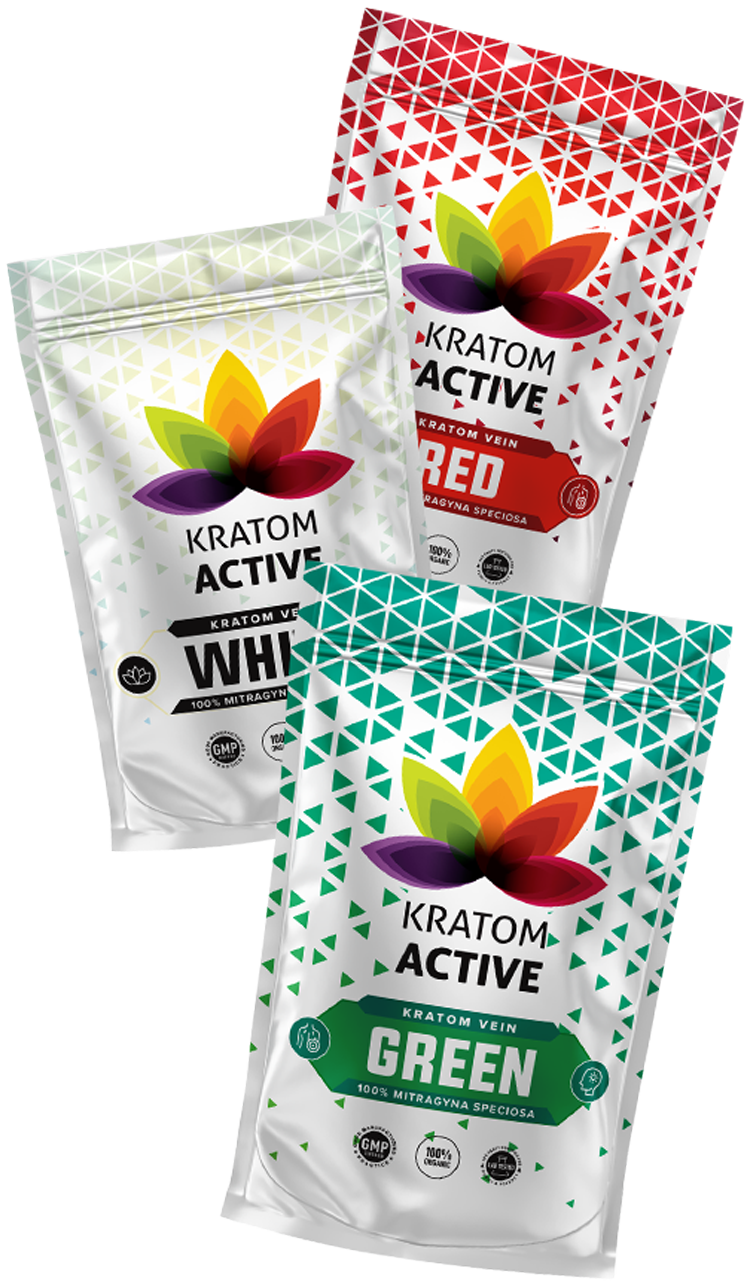
The specific strain or variety you’re using also influences the ideal amount. Different strains of Kratom can have varying potencies, even when sold at the same strength. Some users find that white vein varieties feel stronger at lower doses compared to red vein varieties, though this varies by individual.
Different Forms of Kratom and How to Dose Them
Kratom products come in several distinct forms, and each one requires a slightly different approach to dosing. Understanding the differences helps you measure your intake accurately and consistently.
Kratom Powder
Kratom powder is the most versatile and commonly available form. It consists of finely ground dried leaves that you can mix into beverages, food, or take directly. When people talk about grams of Kratom, they’re usually referring to this powder form.
The standard measurement for powder is the gram. A typical starting dose ranges from 2 to 3 grams. This amount is enough for most beginners to experience the desired effects without overwhelming their system. From there, you can adjust based on how you feel.
One practical tip for measuring powder accurately is to use a digital scale. Eyeballing your portions often leads to inconsistent experiences. A small investment in a precise scale pays off quickly in terms of consistency and value for money.
Mixing powder into something masks the strong, often bitter taste that many people find unpleasant. Orange juice, applesauce, yogurt, and chocolate milk are popular choices. Some users even encapsulate the powder themselves using empty capsules for easier, tasteless consumption.
Kratom Capsules
Capsules offer a convenient, mess-free way to take Kratom. Each capsule contains a pre-measured amount of powder, typically ranging from 0.5 grams to 1 gram per capsule. This makes tracking your intake straightforward and eliminates the need for measuring tools.
If you’re using capsules, determining your dose means counting rather than weighing. For example, if each capsule contains 0.5 grams and you want a 2-gram dose, you’d take four capsules. If they’re 1-gram capsules, you’d only need two.
The downside to capsules is that they take longer to take effect compared to powder. Your stomach needs to break down the gelatin or vegetable casing before the contents release. This typically adds 15 to 30 minutes to the onset time compared to taking powder directly.
Many users appreciate capsules for their convenience, especially when they’re on the go. No measuring, no mixing, no bitter taste. Just swallow and go about your day. This simplicity makes them popular among people who use Kratom regularly as part of their routine.
Kratom Tea
Brewing Kratom as tea is one of the oldest methods of consumption, particularly in Southeast Asian countries where the plant originates. Making tea involves steeping crushed or powdered leaves in hot water, similar to how you’d prepare traditional tea.
When making tea, the dosing calculation is less precise than with powder or capsules. A general guideline is to use about 2 to 4 grams of leaf material per cup of water. You can adjust from there based on how strong the resulting brew tastes and how it affects you.
One advantage of tea is that you can easily adjust potency by steeping longer or adding more leaf material. You can also mix different strains in the same brew to customize your experience. The flexibility appeals to users who enjoy experimenting.
Many people find that tea produces a smoother experience compared to taking powder directly. The warming sensation of a hot beverage combined with the effects creates a ritual that many users find enjoyable and relaxing.
Extracts and Enhanced Products
Kratom extracts are concentrated forms that contain higher levels of active compounds compared to regular leaf powder. They’re typically sold as liquids, resins, or enhanced powders. These products require much smaller doses due to their potency.
If you’re new to extracts, approach with caution and start with the smallest possible amount. What might be a mild dose of regular powder could be overwhelming when using a concentrated extract. The ratio of extract to leaf equivalent should be clearly labeled on any quality product.
Many experienced users keep extracts on hand for situations where they want stronger effects without consuming large amounts of powder. They’re also useful for those with higher tolerance levels who find regular doses insufficient.
Beginner Dosage Guide
If you’re just starting out with Kratom, taking things slow and conservative is the smart approach. Your body needs time to learn how to process the compounds, and starting low helps you understand how you personally respond to this substance.
First-time users should begin with 1 to 2 grams of powder, or its equivalent in other forms. This modest amount allows you to gauge your sensitivity without risking an uncomfortable experience. Wait at least an hour before considering whether to take more.
The two-gram mark is often considered an ideal starter dose for most adults. At this level, you’re likely to experience the benefits of Kratom without pushing into more intense territory. You can always increase later, but you can’t undo taking too much.
Give yourself at least 30 to 45 minutes to feel the initial effects. Some people metabolize Kratom faster than others, so the onset time varies. Resist the temptation to re-dose during this waiting period. Patience prevents accidental overconsumption.
Keep a simple journal of what you took, when you took it, and how you felt. Over time, this record helps you understand your patterns and fine-tune your routine. Notes about whether you ate beforehand, what form you used, and which strain you tried all contribute valuable data.
Remember that everyone’s body responds differently. Your ideal starting point might be different from someone else’s. Trust your own experience and adjust accordingly rather than trying to match someone else’s numbers exactly.
Moderate Dosage Range
Once you’ve established your baseline with lower doses, you might find that you’re comfortable exploring moderate territory. The moderate range typically spans from about 3 to 5 grams for most users, though this varies based on the factors we discussed earlier.
Moderate doses often provide more pronounced effects compared to starter amounts. Users frequently report feeling more settled and at ease at these levels. The transition from lower to moderate should still be gradual, adding half a gram to a gram at a time.
At moderate doses, you might notice the effects lasting longer compared to micro-doses. This extended duration makes moderate amounts popular for situations where you want sustained support throughout an extended period.
Many users find their sweet spot in this range. It provides enough effect to be worthwhile while remaining manageable in terms of intensity. Finding this personal equilibrium often requires some experimentation, but the process itself teaches you a lot about how Kratom affects you specifically.
Be mindful that tolerance can build faster when using moderate doses regularly. If you find yourself consistently needing more to achieve the same results, consider taking periodic breaks to reset your baseline sensitivity.
Higher Doses: What to Know
Higher doses of Kratom, generally considered to be 5 grams and above, produce significantly more intense effects. At these levels, you’re much more likely to experience the sedating qualities that some users seek. Not everyone needs or wants these stronger effects, and that’s perfectly fine.
Experienced users who have developed higher tolerance levels often prefer working in this range. Their bodies have adapted to processing Kratom more efficiently, which means they can handle larger amounts without the same level of intensity that a beginner would experience.
Taking higher doses isn’t inherently problematic, but it does require more awareness. The effects last longer and feel more pronounced. Going from moderate to higher doses should be done incrementally, watching how each adjustment affects you before increasing further.
Some users prefer taking larger doses less frequently rather than smaller doses more often. This alternate approach can help manage tolerance while still providing the desired effects. Both strategies have their place depending on your personal preferences and goals.
Understanding that higher doses aren’t necessary for everyone is important. Some people find exactly what they need at moderate levels and never feel the need to explore beyond that. There’s no advantage to pushing higher if moderate amounts serve you well.
Finding Your Optimal Dose: A Step-by-Step Approach
Determining your ideal amount isn’t something that happens instantly. It requires a systematic approach and some patience. Most users need a few sessions of experimentation before they confidently know what works for them.
Step one is establishing your baseline by starting low. Take 1 to 2 grams, wait an hour, and assess how you feel. Write down your observations. Did you notice anything? Was it too subtle, just right, or already too much?
Step two involves gradual increases. If your initial dose felt too subtle, try adding half a gram to a gram during your next session. Document this new amount and how it compares to your first attempt. Look for patterns in what you wrote down.
Step three is finding your range. After several sessions of adjustment, you’ll likely notice that effects feel consistent within a certain window. This is your personal working range. Stay within it for regular use to maintain predictable, satisfactory results.
Step four requires ongoing awareness. Your ideal amount might shift over time due to changes in frequency of use, diet, stress levels, or other factors. Periodically reassess whether your current amount still serves you well. Flexibility keeps your routine optimized.
Step five is about respecting your limits. If you find yourself consistently needing more, take a step back and consider whether a tolerance break might be appropriate. Sustainable use means using only as much as you actually need.
Practical Tips for Measuring Your Kratom
Accurate measurement is crucial for consistent, positive experiences. Without proper measuring techniques, you’re essentially guessing, which often leads to inconsistent results. Here are some practical approaches for getting your portions right every time.
Investing in a quality digital scale is the single best thing you can do for your Kratom routine. Look for one that measures in increments of 0.1 grams for precision. Many scales under $20 perform excellently and last for years with proper care.
When measuring powder, place your container on the scale and tare it to zero before adding your Kratom. This accounts for the weight of your bowl, plate, or whatever you’re using to hold the powder. It ensures you’re measuring only the actual amount you intend to use.
For capsules, consistency comes from counting carefully. Double-check your count before each use. Some users find it helpful to fill multiple capsules at once and store them in a small container, so they’re ready when needed. This batch preparation saves time and ensures consistent dosing.
If you’re making tea, using a tea infuser or cheesecloth bag helps contain the leaf material while allowing proper steeping. This makes the cleanup much easier and ensures you’re getting all the Kratom you paid for rather than losing some down the drain.
Measuring extracts requires even more precision due to their concentrated nature. Use the smallest measuring tools available, such as milliliter droppers or tiny measuring spoons. Markings on extract bottles are typically in milliliters rather than grams, so understand the conversion if the label provides one.
How Often Should You Use Kratom?
Frequency of use is a personal decision that depends on your goals and lifestyle. Some people use Kratom daily, while others reserve it for occasional use. Neither approach is inherently better than the other. What matters is that your frequency aligns with your needs and doesn’t create unwanted patterns.
Daily users often find that establishing a consistent routine works best. Taking the same amount at roughly the same times each day provides stable effects. Many people who use Kratom regularly report this consistency helps them integrate it smoothly into their lives.
Occasional users might find that reserving Kratom for specific situations or days provides a fresher experience. Since tolerance doesn’t build as quickly with sporadic use, lower doses continue working effectively. This approach requires less product overall and can be more economical.
Taking breaks is beneficial regardless of which approach you prefer. Even if you use Kratom regularly, stepping away for a few days to a week occasionally helps prevent tolerance from building too quickly. These tolerance breaks reset your system so lower doses feel effective again.
Many users find that listening to their body provides the best guidance for frequency. If you notice effects diminishing or find yourself wanting to use more often, that’s a signal to reassess your approach. Intuitive use tends to lead to better outcomes than rigid scheduling.
Understanding the Effects of Kratom
The effects of Kratom can be broadly characterized, though individual experiences vary considerably. Most users report effects that fall somewhere between energizing and calming, with the specific balance depending on dosage and other factors.
At lower doses, many people experience an energizing effect similar to a strong cup of coffee but smoother. Alertness and focus often improve, and some users report feeling more motivated to tackle tasks. This makes lower doses popular for daytime use.
At moderate doses, the effects tend to shift toward relaxation and calmness. Users often describe feeling at ease while remaining functional and clear-headed. These doses work well for situations requiring sustained comfort without drowsiness.
At higher doses, sedating effects become more prominent. Users might feel heavy or deeply relaxed. This intensity isn’t for everyone, but those who appreciate it often use higher doses in the evening or when relaxation is the primary goal.
The duration of effects typically spans 3 to 6 hours, with peak intensity occurring around 2 to 3 hours after consumption. Factors like metabolism, food intake, and individual body chemistry influence both onset time and how long effects last.
Storing Your Kratom Properly
Proper storage helps maintain the freshness and potency of your Kratom products. While Kratom doesn’t spoil quickly when stored correctly, improper storage can diminish its effectiveness over time. Taking simple precautions preserves your investment.
Keep Kratom in an airtight container away from direct sunlight, heat, and moisture. Exposure to these elements degrades the active compounds more quickly. A cool, dark cabinet or pantry provides ideal storage conditions.
Many people store their Kratom in the refrigerator or freezer, which can extend shelf life significantly. If you choose this approach, ensure the container is completely sealed to prevent moisture ingress. Allow frozen or refrigerated Kratom to reach room temperature before opening to avoid condensation inside the container.
Kratom powder tends to clump slightly when exposed to humidity. While this doesn’t make it unsafe, it can affect how evenly you measure your doses. Using silica gel packets in your storage container helps absorb excess moisture.
Freshness matters for quality. Try to use your Kratom within a few months of purchase for best results. If you buy in bulk, portion it into smaller containers that you use one at a time, keeping the majority stored safely while you work through one container at a time.
Common Questions About Kratom Dosage
How long does it take to feel the effects?
The onset time depends on the form you use and whether you’ve eaten recently. Kratom powder taken on an empty stomach typically takes effect within 15 to 30 minutes. Capsules usually require 30 to 45 minutes due to the time needed for your stomach to break them down. Taking Kratom with food can delay onset to an hour or longer.
Can I take Kratom every day?
Many people use Kratom daily without issue, while others prefer occasional use. What’s appropriate depends on your individual situation, goals, and how your body responds. Using the minimum effective amount helps support sustainable practices.
What’s the difference between strains?
Different strains come from Kratom leaves harvested at different points in the plant’s growth cycle or from different geographic regions. Some users find certain strains more energizing while others feel more sedating. Exploring different varieties helps you find what works best for your needs.
How do I know if I took too much?
If you feel uncomfortable after taking Kratom, you’ve likely exceeded your ideal amount. Rest, stay hydrated, and wait for the effects to fade. Starting with lower doses prevents this situation entirely.
Is it safe to mix Kratom with other substances?
This guide focuses specifically on Kratom use. If you’re considering combining it with anything else, research each substance individually and proceed with caution. Mixing substances adds complexity that this article doesn’t address.
How should I take Kratom for best results?
The best method depends on your preferences. Some people enjoy the ritual of brewing tea, while others prefer the convenience of capsules. Taking Kratom on an empty stomach produces faster, more pronounced effects, while taking it with food moderates the intensity.
Final Thoughts on Your Kratom Journey
Finding the right Kratom dosage is a personal process that requires patience, attention, and a willingness to learn. There’s no magic number that works for everyone, but with systematic experimentation, you can discover what serves you best.
Start low, go slow, and keep good records. These three principles will guide you toward success more reliably than any specific numbers ever could. Your ideal amount might be different from what others recommend, and that’s exactly as it should be.
Treat this guide as a starting point rather than an absolute rulebook. Use the information here to inform your decisions, but trust your own experience above all else. The most successful Kratom users are those who stay aware and adjust based on what they observe.
Whether you’re new to Kratom or looking to refine your existing routine, understanding dosage fundamentals empowers you to make informed choices. Knowledge truly is the foundation of positive experiences with any substance. Use what you’ve learned here to approach your Kratom use with confidence and clarity.