Search “kratom” and you’ll drown in extremes within minutes. One page swears it changed someone’s life; the next treats it like a public menace. Neither cartoon is much use to a real person standing in front of a shelf trying to decide. What most Canadians actually want is the plain middle: what do people say kratom feels like, what side effects are worth knowing about, how long does it last, and how do you keep a bag fresh? That’s what this guide covers, calmly and without the drama.
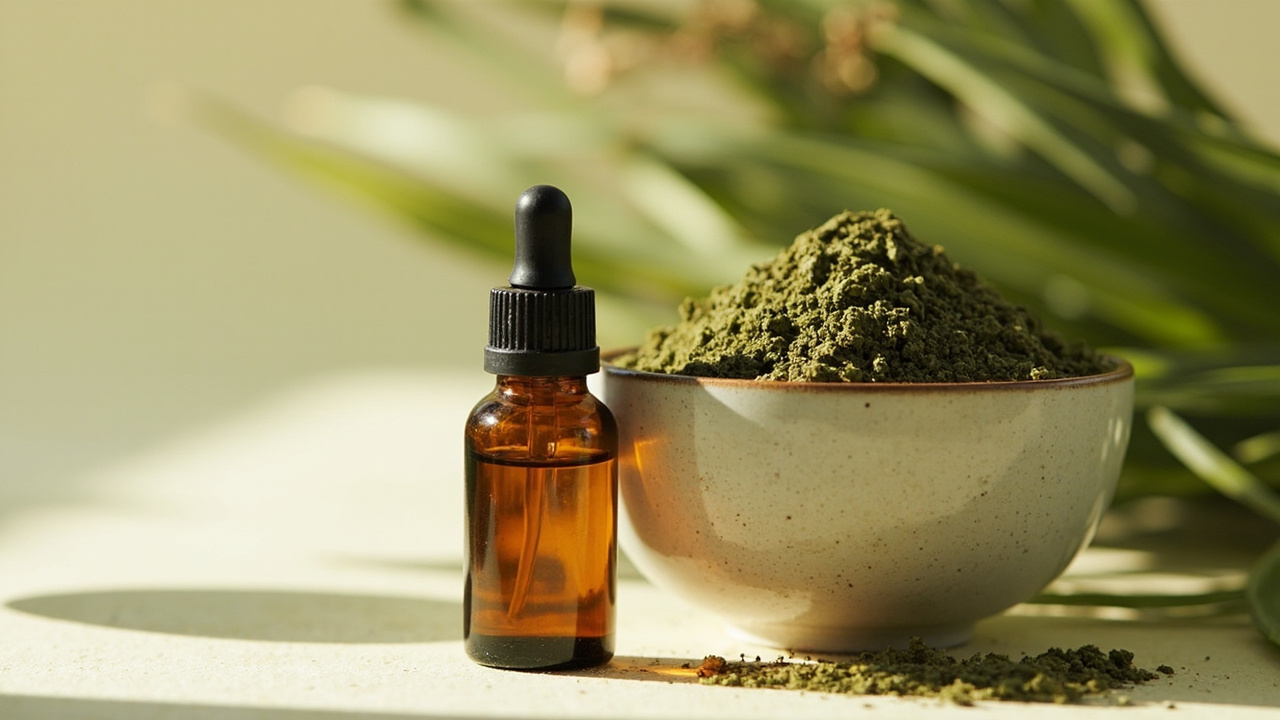
Kratom is the ground leaf of Mitragyna speciosa, a tree in the coffee family native to Southeast Asia. Its character comes from natural compounds called alkaloids, chiefly mitragynine and, in much smaller amounts, 7-hydroxymitragynine. People across Thailand, Malaysia, and Indonesia have used the leaves for generations, and today it reaches Canadians as powder, capsules, tea, and extracts. This page pulls together the effects people commonly report, an honest look at side effects and safety, what’s known about dependence, and the practical stuff on duration and storage.
Read this part first. Everything below is general educational information drawn from public sources and user reports, not medical advice, and nothing here is a diagnosis, prescription, or treatment plan. Kratom is not approved by Health Canada for human consumption, so this describes what people report and observe, not what you should do. If you are pregnant or breastfeeding, take any medication, or live with a health condition, talk to a healthcare professional before using kratom. When in doubt, the sensible habit with any kratom product is the same: start low, go slow, and pay attention to your own body.
What this guide covers
- What effects do people report? — commonly described experiences at lower and higher servings
- Kratom side effects & safety — the honest section, plus who should avoid it
- Is kratom addictive? Dependence and tolerance
- Mixing and interactions — kratom, alcohol, and other substances
- How long do the effects last?
- How long does kratom stay in your system?
- Storage and shelf life
- Frequently asked questions
What Effects Do People Report?
Let’s set expectations properly. This section describes what people commonly report about the effects of kratom, gathered from user accounts and public sources. It is not a claim that kratom does any particular thing to your body, and it certainly isn’t a promise of a result. Experiences vary a great deal from person to person, and the same amount of kratom can feel different depending on the strain, the time of day, and what else is going on. With that framing in place, here’s the picture people paint.
The most consistent theme in how people describe kratom is that it seems to depend heavily on the serving size. Many people report that a smaller amount feels brighter and more stimulating — alert, a little talkative, mildly lifted — while a larger amount is described as heavier and more relaxing. Users often call this the biphasic quality, and it’s the single most repeated observation about how kratom feels. It’s also why two people can describe wildly different experiences: they may simply be taking very different amounts.
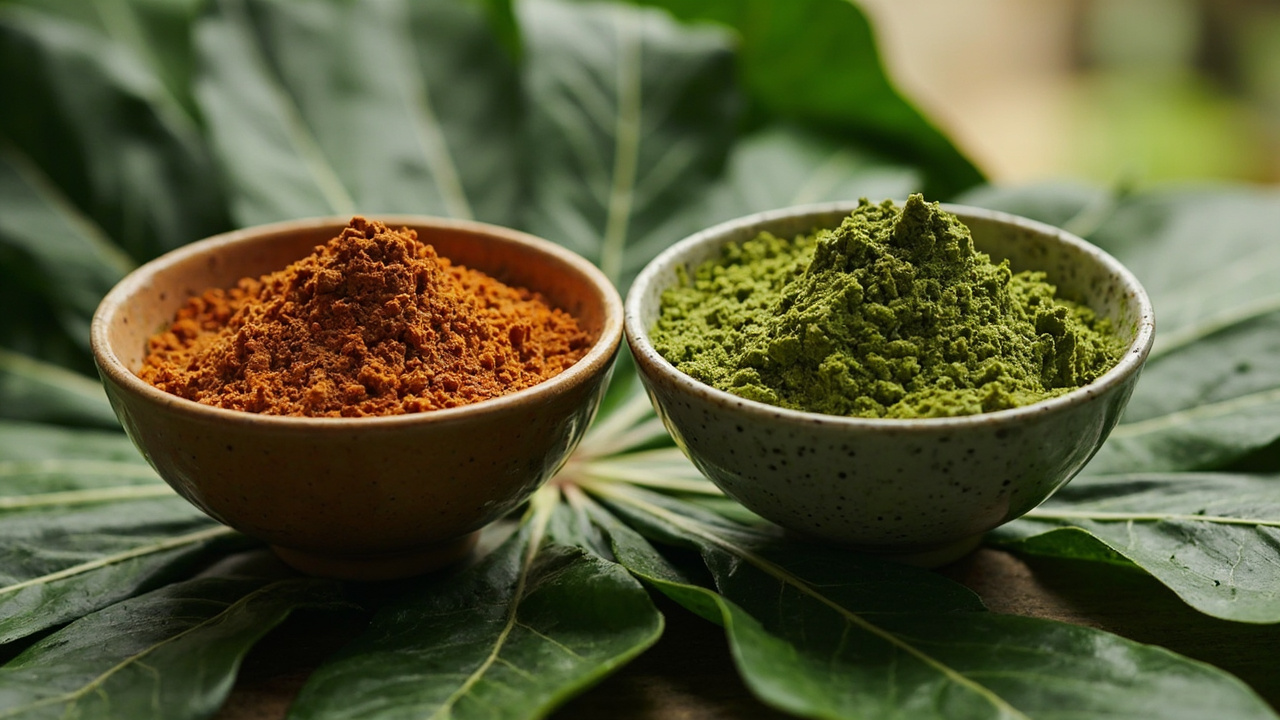
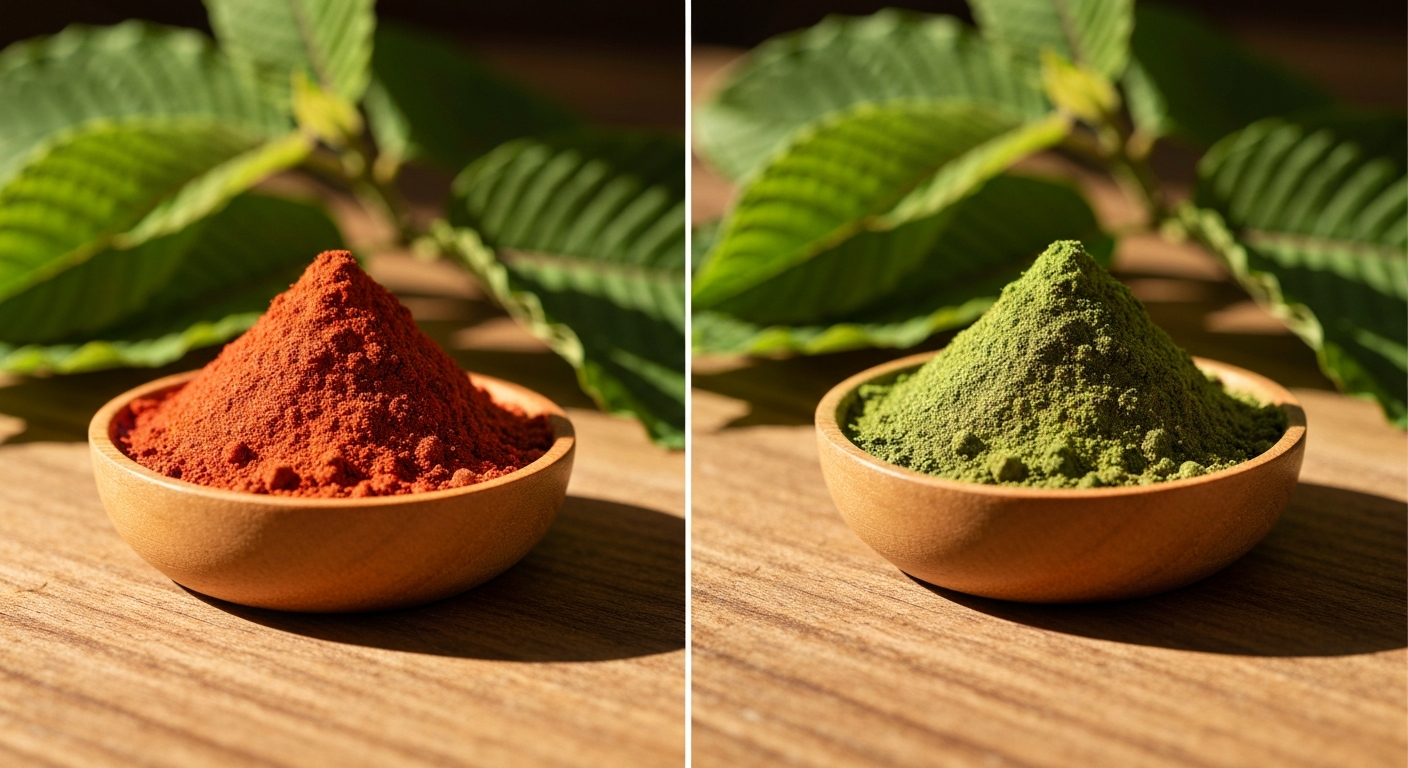
Strain and vein colour feed into those descriptions too. White-vein kratom is the one people most often reach for in the morning, describing it as energising and suited to a busy workday. Red-vein kratom sits at the other end, and many people describe it as the relaxing, wind-down option they save for the evening. Greens land somewhere in the middle, and users frequently describe them as balanced and steady. None of that is a medical effect we’re claiming on kratom’s behalf — it’s a summary of how regular kratom users tend to talk about their own routines.
What about people who use it as part of a wellness routine?
Some people reach for kratom as part of a broader wellness routine, the same way others lean on coffee, herbal teas, or an evening ritual to structure their day. You’ll find accounts online of people who fold it into their morning or wind-down, and reported experiences vary widely. We want to be careful and honest here: we are not saying kratom treats, relieves, or manages any condition, symptom, or type of discomfort, and no reputable source can promise that. If you’re dealing with ongoing pain, low mood, or a health concern, kratom is not a substitute for proper care, and a healthcare professional is the right person to talk to.
“Effects people report” and “guaranteed outcomes” are not the same thing. Kratom is a natural product, not a standardised medicine, so alkaloid content shifts from batch to batch, and your own physiology plays a big role. The honest summary is this: many people describe kratom in stimulating or relaxing terms depending on how much they take, experiences vary, and the only way to know how it sits with you is to start modestly and observe.
Kratom Side Effects & Safety
Here’s where honesty matters most. For many healthy adults, kratom is used without major issues, but it genuinely does carry side effects, and pretending otherwise would do you a disservice. Health Canada lists drowsiness, nausea, vomiting, seizures, liver toxicity and an excessively rapid heartbeat among reported effects (Health Canada advisory), and reported cardiovascular effects are reviewed in Leong Bin Abdullah et al., 2021, “The Adverse Cardiovascular Effects and Cardiotoxicity of Kratom (Mitragyna speciosa Korth.)”, Frontiers in Pharmacology (PubMed). Being straight about the downsides is exactly how we’d want a vendor to treat us, so here’s the real list — the common and mild, the less common, and the rare-but-serious — along with who should steer clear entirely.
A disclaimer that belongs right here, not buried: this is general educational information, not medical advice. Kratom is not approved by Health Canada for human consumption. If you are pregnant or breastfeeding, take medication of any kind, or have an existing health condition, please talk to a healthcare professional before using kratom rather than relying on a web page — ours or anyone’s.
Common, mild side effects
Nausea tops the list. It tends to hit hardest on an empty stomach or when someone has simply taken too much. The usual fixes people describe are simple: a light snack beforehand, plenty of water, or switching to tea for gentler absorption. Dehydration is another common one, since kratom acts as a mild diuretic, so dry mouth, headache, and dark urine are signs to drink more water. Constipation shows up with regular daily use because kratom, like several botanicals, can slow the gut; fibre, magnesium, and hydration are the everyday countermeasures people reach for.
A few others round out the common tier. Sweating appears at moderate servings for some people. Headaches usually trace back to dehydration or a serving that was too large. The so-called “kratom wobbles” — a wobbly, off-balance feeling with some difficulty focusing the eyes — is a classic sign of taking too much, and people avoid it by keeping servings modest, roughly under 5 grams at a time. Loss of appetite and mild drowsiness also come up, particularly with daily use or with heavier red strains taken in the daytime.
Less common and rare, serious effects
Less commonly, people mention itching (a mild histamine-like response at higher amounts), irritability on the comedown, increased urination, and mild coordination issues that make driving a bad idea. Those are generally tied to larger servings or heavy daily use and tend to ease with moderation and rest days.
Rare but serious effects deserve a plain mention rather than a scare. A small number of case reports in the medical literature describe liver-related problems, and these overwhelmingly involve heavy, prolonged daily use. Warning signs people are told to watch for include yellowing of the skin or eyes, unusually dark urine, and persistent pain in the upper-right abdomen. If any of those appear, the right move is to stop and see a doctor promptly — not to tough it out. Keeping servings moderate, taking regular breaks, and never stacking kratom with other sedating substances are the sensible ways to keep risk low.
Who should avoid kratom
Some people should simply not use kratom, and this is not a grey area. Anyone who is pregnant or breastfeeding should avoid it. So should anyone taking prescription medication, because interactions are a real concern, and anyone managing a health condition such as liver, kidney, or heart issues, or a mental-health condition. If you fall into any of those groups, the answer isn’t a smaller serving — it’s a conversation with a healthcare professional first. Kratom is for healthy adults who choose to use it with open eyes, and it is never appropriate for minors.
Is Kratom Addictive? Dependence and Tolerance
Can kratom be habit-forming? Yes, it can, particularly with heavy daily use — and you deserve a straight answer rather than either a scare campaign or a shrug. The balanced picture is that dependence is possible, that it tends to develop under specific conditions, and that moderation is what keeps most people well clear of trouble. Here’s the honest version.
Kratom’s main alkaloids interact with receptors in the body, and with consistent heavy use the body can adapt to their presence. That adaptation is what leads to tolerance, where a familiar serving stops feeling like it used to, and to physical dependence, where stopping abruptly after a long run of daily use brings on uncomfortable symptoms. It’s worth being clear that physical dependence is a physiological response, not a moral failing, and that it develops under fairly predictable conditions rather than out of nowhere.
Those conditions are consistent across user reports: daily use sustained over several weeks, larger daily amounts (people often cite servings well above the moderate range), few or no rest days, and no rotation between strains. Flip those around and you have the recipe most experienced users follow to avoid dependence — keep the baseline amount modest, build in regular days off, rotate strains, and don’t let daily use drift upward unchecked. Tolerance is the early-warning sign: if your usual amount underwhelms and you find yourself reaching for more, that’s the moment to take a break, not to climb the dose.
What does stopping look like for a heavy daily user? Reports describe a period of discomfort — things like a runny nose, restlessness, low mood, irritability, poor sleep, and cravings — that people generally describe as unpleasant but time-limited, typically easing over roughly one to two weeks. We’re not going to sensationalise it, and we’re not going to wave it away either. The practical takeaway is simple and worth repeating: occasional, moderate use with rest days is a very different thing from heavy daily use, and the vast majority of the dependence risk lives at the heavy-daily end. If you’re worried about your own use, a healthcare professional can help, and there’s no shame in asking.
Mixing and Interactions
This is a short section with a firm message: be cautious about mixing kratom with anything, and be especially cautious with alcohol. A lot of people search this question after they’ve already had a drink and a serving of kratom on the same evening, so let’s skip the lecture and give the practical picture.
The core concern with kratom and alcohol is that both can have a sedating, slowing character, and at higher amounts of either, those effects can stack rather than simply add up. In real life, people report that the combination makes nausea worse, throws off coordination and balance, and deepens next-day dehydration and grogginess, since both can dry you out. The heavier the serving of either, the more the risk climbs. The safest approach by a wide margin is to keep them apart entirely and not combine kratom with alcohol at all.
The same caution extends beyond alcohol. Combining kratom with other sedating substances, sleep aids, or prescription medications is where interactions become a genuine concern, and it’s not something to experiment with based on a forum post. Some everyday substances change how the body processes kratom, which can make a serving feel unexpectedly strong. Because the details depend entirely on your own medications and health, this is exactly the situation where a pharmacist or doctor should weigh in first. If you take anything regularly — even something that seems minor — ask a professional before adding kratom to the mix.
How Long Do the Effects Last?
Most people find the effects of a single serving of kratom last somewhere in the range of three to eight hours, and where you land inside that window depends mostly on the strain. That’s the short answer. The longer one, as always, is “it depends” — on strain, amount, tolerance, body weight, and whether you’ve eaten. Here’s a rough map that regular users tend to recognise.
As a general guide, white-vein strains run shorter and sharper, often around three to five hours from onset to fade, which is why people describe them as a quick daytime pick. Greens tend to sit in the four-to-six-hour range and are frequently described as steady. Reds usually run longest of the standard veins, roughly five to seven hours, which fits their reputation as an evening choice. Some specific strains, like a Green Malay, are described as longer still, occasionally stretching toward eight hours. Treat those numbers as ballpark figures, not guarantees.
Onset matters as much as total duration if you’re timing your day. Field reports describe people noticing effects within the first five to ten minutes to about half an hour, with the experience building to a peak and then tapering gradually (Cinosi et al., 2015, BioMed Research International). A practical rule people use is to take kratom a little ahead of when they want it and let it come on. The factors that stretch or shorten the whole arc are the familiar ones: an empty stomach speeds onset, a larger body may process it differently, higher tolerance can flatten and shorten the experience, and the specific strain sets the baseline. Re-dosing on top of a serving that’s still working is the fast lane to a climbing tolerance, so spacing servings out is the wiser habit.
How Long Does Kratom Stay in Your System?
There’s an important distinction people miss: how long you feel kratom and how long traces of it linger in the body are two different clocks. The felt effects fade within several hours, but trace alkaloids can hang around in blood and urine for longer. This section is general educational information — useful for understanding how the body processes kratom — and not medical or legal advice.
The concept behind all of this is half-life, the time it takes for the body to clear half of a substance from the bloodstream. For kratom’s main alkaloid, mitragynine, older references estimated a fairly short half-life, but a first human pharmacokinetic study measured its terminal half-life at roughly a day — about 24 hours — meaning it clears slowly over the course of a day or so from a single serving (Trakulsrichai et al., 2015, Drug Design, Development and Therapy). Full clearance takes several half-lives, which lands in the region of a few days after one serving. So you feel it for hours, but your body is quietly finishing the job well after the experience is over.
Detection windows vary by the type of test and by how heavily someone uses kratom. As a rough, general guide, occasional use might be detectable in urine for a day or a few days, while regular and heavy daily use extend that window further. Blood and saliva windows are generally shorter, and hair testing can in theory reach back much further but is expensive and almost never used in practice. One point people find reassuring: standard Canadian 5-panel and 10-panel drug screens are not designed to detect kratom, since its alkaloids are structurally different from the opiates those panels look for. Detecting kratom specifically requires a dedicated test, which is uncommon here. None of this is a workaround for any testing obligation you may have — it’s simply how the science is generally described.
Storage and Shelf Life
Kratom isn’t cheap, and nothing stings like reaching for your stash months later to find a faded, weaker version of what you paid for. The good news is that stored properly, kratom keeps its character for a long time — often a year or more — without meaningful loss. Store it badly, though, and you can lose a good chunk of that quality in a matter of weeks. A little care goes a long way.
Four things degrade kratom, and they’re easy to remember. Light is hard on it — UV breaks mitragynine down over time, and lighter powders visibly fade in sunlight. Heat speeds up the breakdown of the alkaloids; lab work has noted mitragynine holding steady at cool and moderate temperatures but degrading faster once things get hot, which is exactly why a cool spot matters (Basiliere and Kerrigan, 2020, Journal of Analytical Toxicology). Humidity is the real villain, because moisture invites mould, which is genuinely unsafe to swallow, and it hurries alkaloid breakdown along too. Oxygen oxidises alkaloids slowly, which is why a resealed bag holds up better than one left open, and why bulk bags go stale faster than smaller portions.
The fix follows directly from the causes. Keep kratom in an airtight container or its original resealable bag, pushing out excess air. Store it somewhere cool, dark, and dry — a cupboard away from the stove, the dishwasher, and any sunny windowsill is ideal, and room temperature or below is fine. For longer storage, portioning into smaller sealed bags means you only expose what you’re actually using, keeping the rest fresh. Do that and a quality product will still be a quality product many months down the line. Cool, dark, dry, sealed — that’s the whole trick.
Frequently Asked Questions
What effects do people report from kratom?
Many people describe smaller amounts as more stimulating — alert and a little energised — and larger amounts as more relaxing, with whites leaning energising, reds leaning relaxing, and greens described as balanced. These are commonly reported experiences that vary from person to person, not effects we’re claiming kratom will produce for you. It’s a natural product, not a standardised medicine, so the only reliable way to learn how it sits with you is to start modestly and observe.
Is kratom safe?
For many healthy adults it’s used without major problems, but it does carry real side effects like nausea, dehydration, constipation, and the wobbles, and heavier use raises the odds of trouble. This is general information, not medical advice, and kratom isn’t approved by Health Canada for consumption. If you’re pregnant or breastfeeding, take medication, or have a health condition, talk to a healthcare professional before using it.
Is kratom addictive?
It can be, mainly with heavy daily use. Tolerance and physical dependence tend to build under specific conditions — daily use over weeks, large amounts, no rest days, no strain rotation — and moderation is what keeps most people clear of it. If your usual amount stops satisfying and you’re reaching for more, that’s the signal to take a break rather than climb the dose. Anyone worried about their use can speak with a healthcare professional.
Can I mix kratom with alcohol?
The safest answer is no. Both can have a slowing, sedating character, and combining them can worsen nausea, throw off coordination, and deepen dehydration, with the risk climbing at higher amounts of either. The same caution applies to sleep aids, other sedatives, and prescription medications, where interactions are a genuine concern — ask a pharmacist or doctor before combining kratom with anything you take.
How long does kratom last?
Most people find a single serving lasts roughly three to eight hours depending on the strain, with whites running shorter, reds longer, and greens in between. Onset is usually noticeable within the first several minutes to half an hour, building to a peak and then tapering. Amount, tolerance, body weight, and whether you’ve eaten all shift the timing, so treat these as ballpark figures.
Does kratom show up on a standard drug test?
Generally no. Standard Canadian 5-panel and 10-panel screens aren’t designed to detect kratom, because its alkaloids are structurally different from the opiates those tests look for. Detecting kratom specifically requires a dedicated test, which is uncommon in Canada. This is general educational information about how the science is described, not advice for any testing obligation you may have.
Where to Start
Good information is only half of it; the other half is quality leaf you can trust. Because kratom isn’t regulated for consumption in Canada, freshness and honest lab testing genuinely matter, so buy only from a transparent vendor that screens each batch and stores it properly. If you’re ready to put this guide into practice, browse the full range of powders, capsules, and more on our shop page, or head back to the homepage to see what ships across Canada. Whatever you choose, start low, go slow, keep it stored well, and let your own experience — alongside a healthcare professional when it counts — be your guide.