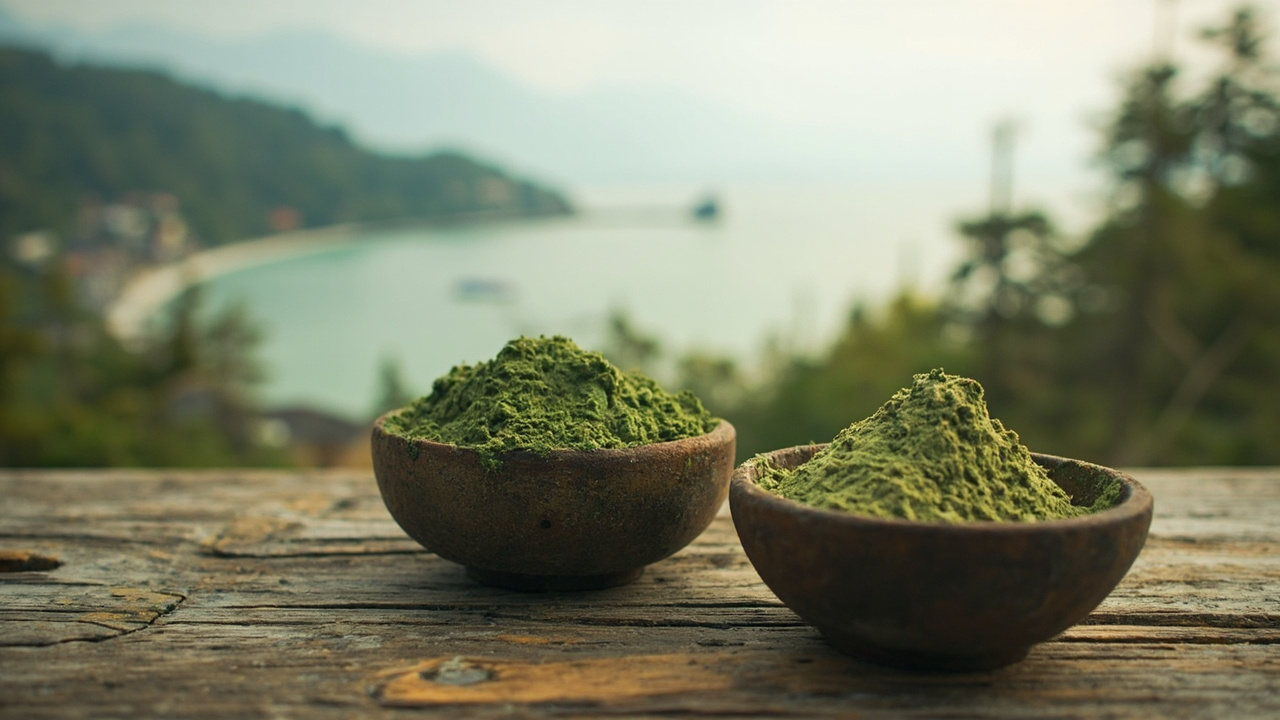
Kratom, scientifically known as Mitragyna speciosa, is a tropical tree native to Southeast Asia that has captured significant attention in recent years. This remarkable plant belongs to the coffee family and has been used traditionally for centuries in countries like Thailand, Malaysia, and Indonesia. What makes this plant so fascinating is its complex chemical composition, particularly the numerous alkaloid compounds found within its leaves.
The study of alkaloids in Kratom reveals a sophisticated network of naturally occurring chemicals that interact with the body’s systems in various ways. These compounds are what give the Kratom leaf its distinctive properties and have made it a subject of growing scientific interest. Understanding these active chemical alkaloids helps paint a clearer picture of what this natural product is and how it functions.
This article takes a deep dive into the main active chemical alkaloids found in Kratom, exploring their structures, classifications, and what makes each one significant. Whether you are new to learning about Kratom or looking to expand your knowledge, this comprehensive guide will walk you through everything you need to know about these fascinating compounds.
What Are Alkaloids and Why Do They Matter
Alkaloids are a class of naturally occurring chemical compounds that contain nitrogen atoms. They are produced by a wide variety of plants, including Mitragyna speciosa, as well as some fungi and bacteria. These compounds often have pronounced physiological effects on humans and animals, which is why they have been studied extensively in the field of pharmacology.
In the context of Kratom, alkaloids are the primary active compounds responsible for the plant’s effects. The Kratom leaf contains over 40 different identified alkaloids, though only a handful are present in significant concentrations. These alkaloids belong to different chemical families, with the two most notable being indole alkaloids and oxindole alkaloids. Each type has its own unique structure and potential activities.
The diversity of alkaloids in Kratom is one of the things that makes this plant so chemically interesting. Unlike some plants that contain a single dominant active compound, Kratom offers a complex mixture of related but distinct alkaloids. This chemical complexity contributes to the varied experiences people report when using Kratom products.
Researchers have been particularly interested in the indole alkaloids found in Kratom because of their structural similarities to other well-known alkaloids. The indole nucleus is a characteristic feature shared by many psychoactive plant alkaloids, and its presence in Kratom helps explain some of the plant’s observed properties.
The Primary Active Alkaloids in Kratom
When discussing the main active chemical alkaloids in Kratom, two compounds consistently take center stage. These are mitragynine and 7-hydroxymitragynine, which together make up the vast majority of the alkaloid content in most Kratom samples. Understanding these two compounds provides a solid foundation for grasping how Kratom works at the chemical level.
Mitragynine is by far the most abundant alkaloid found in Kratom, typically accounting for approximately 66% of the total alkaloid content in dried leaves. This makes it the dominant active compound and the primary focus of most research efforts. Chemically, mitragynine belongs to the indole alkaloid family, specifically classified as an indole alkaloid with a complex ring structure that gives it its distinctive properties.
The chemical structure of mitragynine features an indole ring fused with other molecular components that determine how it interacts with biological systems. This structure is what allows it to bind with various receptors in the body, particularly those involved in signaling and regulation. The specific arrangement of atoms within mitragynine is responsible for its pharmacological activities.
7-Hydroxymitragynine, while present in much smaller quantities than mitragynine, is significantly more potent. This compound is actually a derivative of mitragynine, formed through natural metabolic processes within the plant or through oxidation. Even though it may represent only 2% or less of the total alkaloid content in fresh leaves, its potency means it contributes substantially to the overall effects.

Understanding Mitragynine in Depth
Mitragynine serves as the cornerstone of Kratom’s alkaloid profile and deserves detailed examination. This compound was first isolated and characterized by researchers in the early 20th century, though its popularity in Western markets is a much more recent phenomenon. The molecule itself is relatively large and complex compared to many other plant alkaloids.
The structure of mitragynine places it in the Akuammidine group of indole alkaloids. Its molecular formula contains 23 carbon atoms, 28 hydrogen atoms, and 4 oxygen atoms, along with the nitrogen that classifies it as an alkaloid. This specific arrangement of atoms creates the framework for its biological activity.
In vitro studies have shown that mitragynine interacts with multiple receptor systems in the body. While its primary interactions occur at certain receptor sites, it also exhibits affinity for several other targets, creating a complex web of potential effects. This multi-targeted nature is one reason why Kratom’s effects can vary depending on the specific alkaloid content of the product being used.
The pharmacology of analgesic indole alkaloids like mitragynine has been a subject of research interest for decades. Scientists continue to study how these compounds interact with various biological systems, seeking to understand their mechanisms of action more completely. The unique structure of mitragynine sets it apart from many other alkaloids found in nature.
The Role of 7-Hydroxymitragynine
While mitragynine takes the spotlight as the most abundant compound, 7-hydroxymitragynine plays an equally important role in Kratom’s overall profile. This alkaloid is technically a hydroxylated version of mitragynine, meaning it has an additional hydroxyl group attached to its molecular structure. This small chemical difference creates significant changes in its pharmacological properties.
Research has indicated that 7-hydroxymitragynine exhibits much higher potency compared to its parent compound. Some studies suggest it may be several times more active than mitragynine at equivalent concentrations. This potency difference means that even trace amounts of 7-hydroxymitragynine can meaningfully influence the overall effects of a Kratom product.
The relationship between mitragynine and 7-hydroxymitragynine represents an interesting area of study within natural product chemistry. Understanding how these compounds work together and potentially convert into each other within the body continues to be an active area of scientific investigation. Their combined presence creates what researchers sometimes refer to as the “entourage effect” in Kratom.
The levels of 7-hydroxymitragynine can vary considerably between different Kratom samples depending on factors like the plant’s origin, growing conditions, and how the material is processed after harvest. This variability is one reason why different Kratom products can produce noticeably different effects despite appearing similar in other respects.
Other Indole Alkaloids in Kratom
Beyond mitragynine and 7-hydroxymitragynine, Mitragyna speciosa contains numerous other indole alkaloids that contribute to its overall chemical profile. These compounds, while present in smaller quantities, are nonetheless important components of the complete alkaloid makeup. Researchers have identified many different indole alkaloids in Kratom leaves, each with its own structural characteristics.
Speciociliatine is one of the more abundant minor alkaloids found alongside mitragynine. This compound is a stereoisomer of mitragynine, meaning it has the same chemical formula but a different spatial arrangement of atoms. Such structural variations can lead to differences in how these compounds interact with biological systems.
Speciofoline represents another notable indole alkaloid present in Kratom, though in relatively small amounts. Similarly, mitraciliatine and isomitraciliatine add to the diversity of indole alkaloids found in the plant. Each of these compounds contributes to the overall complexity of Kratom’s chemical composition.
The activities of mitragynine-related indole alkaloids have been studied to varying degrees. Some of these compounds have shown affinity for similar receptor systems, while others appear to interact with different biological targets. The combined effect of all these alkaloids working together is greater than any single compound alone could produce.
Oxindole Alkaloids in Kratom
The alkaloid content of Kratom extends beyond the indole family to include significant amounts of oxindole alkaloids as well. These compounds feature a different ring structure that distinguishes them from their indole counterparts. The presence of both indole and oxindole alkaloids makes Kratom’s chemistry particularly rich and complex.
Mitragynine’s oxidized derivatives include several oxindole alkaloids that form through natural chemical transformations. When mitragynine undergoes oxidation, it can convert into compounds like mitragynine pseudooxindole and other related structures. These transformation products add another layer of complexity to understanding Kratom’s full alkaloid profile.
Ajmalicine and rhynchophylline are examples of oxindole alkaloids that have been identified in Kratom samples. These compounds are not unique to Mitragyna speciosa, as they are found in several other plants from the rubiaceous family. Their presence in Kratom connects this plant to a broader family of alkaloid-producing plants.
The study of oxindole alkaloids from rubiaceous plants has revealed interesting pharmacological properties in various contexts. While research specifically on these compounds in Kratom remains limited, their structural similarities to other well-studied alkaloids provide clues about their potential activities. This represents an area where additional research could yield valuable insights.
What Determines Alkaloid Content
The alkaloid content in Kratom can vary substantially depending on numerous factors related to the plant itself and how it is cultivated and processed. Understanding these variations helps explain why different Kratom products can produce such different experiences. Anyone interested in Kratom should appreciate that not all products are created equal from a chemical standpoint.
Geographic origin plays a significant role in determining alkaloid profiles. Kratom trees growing in different regions of Southeast Asia may produce leaves with notably different alkaloid compositions. Soil composition, climate, altitude, and other environmental factors all influence how the plant synthesizes its alkaloids. This geographic variability is similar to how wine grapes produce different flavor profiles depending on their terroir.
The maturity of the leaves at harvest time also affects their alkaloid content. Younger leaves generally contain different proportions of alkaloids compared to more mature leaves. Experienced Kratom cultivators and harvesters understand these differences and time their harvests accordingly to achieve desired alkaloid profiles in their products.
Post-harvest processing methods further influence the final alkaloid composition of Kratom products. How leaves are dried, whether they are fermented, and how they are stored all can affect the relative amounts of different alkaloids present. Some processing methods may favor the formation of certain alkaloids over others, creating distinct product varieties.
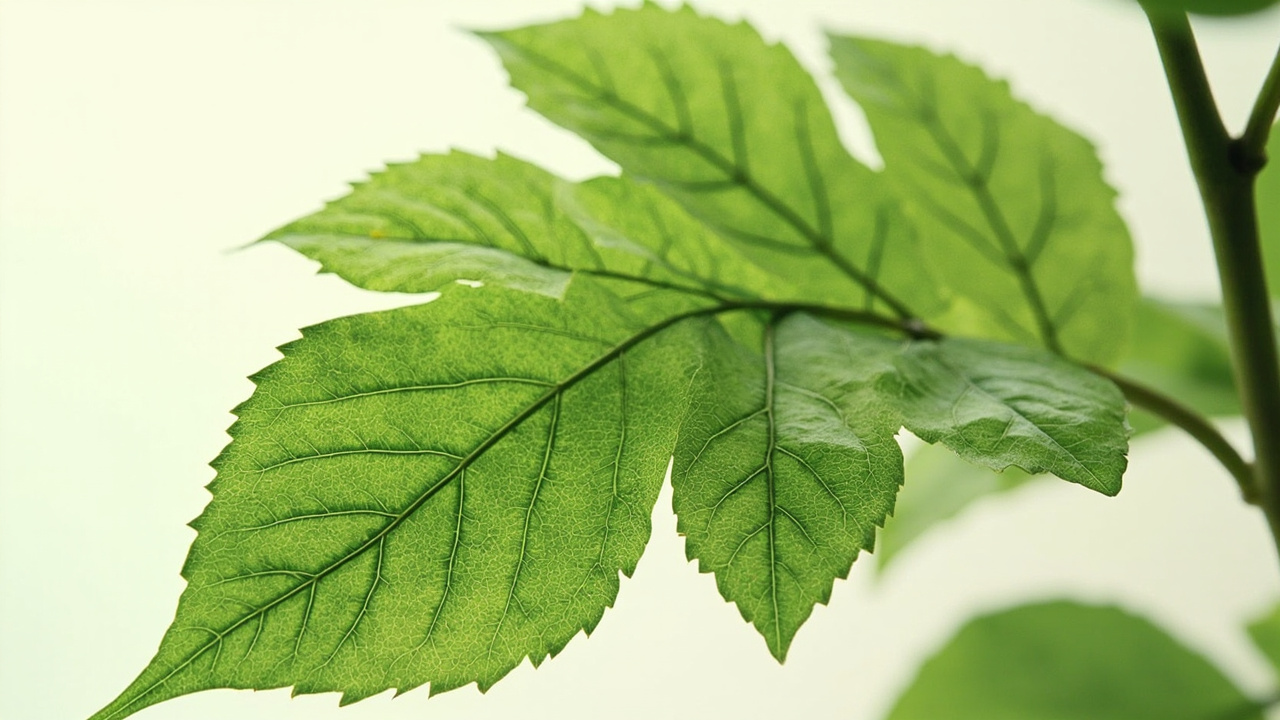
How Kratom Alkaloids Interact With the Body
The activities of alkaloids like mitragynine and 7-hydroxymitragynine stem from their interactions with various biological receptors. These interactions are what ultimately produce the observable effects that people experience when they use Kratom. The specific mechanisms involved continue to be studied by researchers interested in plant pharmacology.
Alkaloids in Kratom are capable of binding with certain receptor sites in the nervous system due to their molecular structures. The fit between an alkaloid molecule and a receptor site determines whether an interaction will occur and how strong it might be. This lock-and-key relationship is fundamental to how many plant alkaloids produce their effects.
The affinity of different Kratom alkaloids for various receptors can vary considerably. Mitragynine has been shown to interact with multiple receptor types, creating a complex pattern of potential effects. The combined action of all the alkaloids present in Kratom produces an overall effect that researchers are still working to fully characterize.
Individual variations in body chemistry mean that different people may respond differently to the same Kratom product. Factors like genetics, metabolic rate, and overall health can influence how alkaloids are processed and how their effects are perceived. This variability is a normal aspect of human biology when it comes to consuming natural products.
The Chemistry of Extraction
Understanding how alkaloids are extracted from Kratom plant material helps explain the differences between various Kratom products on the market. The extraction process involves separating the desired alkaloids from the plant matrix to create concentrated forms. Different extraction methods yield products with different alkaloid profiles and potencies.
Basic Kratom products like dried leaf powder contain the full spectrum of alkaloids present in the original plant material. These products represent the most traditional form of Kratom use and contain all the compounds found in the leaves, including both indole and oxindole alkaloids. The alkaloid content in these products reflects the natural composition of the source material.
Kratom extracts are concentrated forms that have undergone processing to remove some of the plant material while retaining the alkaloids. This concentration process can result in products that are significantly more potent than basic leaf powder. Extracts may be formulated to emphasize certain alkaloids over others depending on the extraction method used.
The quality of a Kratom product depends heavily on how it was manufactured and the care taken during processing. Reputable vendors understand the importance of maintaining consistent alkaloid profiles across their product lines. Testing for alkaloid content has become increasingly common as the industry matures and consumers seek more information about what they are using.
Regional Variations in Kratom Alkaloids
Kratom trees growing in different countries and regions produce leaves with distinct alkaloid signatures. This regional variation is one of the most fascinating aspects of Kratom botany and has practical implications for consumers as well. Understanding these differences helps explain the variety of effects associated with different Kratom origins.
Thai Kratom has been studied extensively and is known for its distinctive alkaloid profile. Different provinces within Thailand may produce Kratom with slightly different characteristics depending on local growing conditions. The long history of Kratom use in Thailand has also led to the development of locally preferred varieties.
Malaysian Kratom, sometimes called Malaysian Mitragyna speciosa, offers its own unique profile of alkaloids. The climate and soil conditions in different parts of Malaysia influence how the trees grow and what compounds they produce. Regional names like “Bali” or “Indo” have become common industry terms that consumers use to identify different product types.
Indonesian Kratom represents another important source of this plant material. The archipelago’s diverse environments create opportunities for growing Kratom with varied alkaloid compositions. Many popular Kratom strains available in Western markets originate from Indonesian suppliers who have developed relationships with local growers.
Common Alkaloids Found in Kratom Samples
Scientific analysis of various Kratom samples has revealed a consistent set of major alkaloids alongside numerous minor ones. This standardized list helps researchers and consumers alike understand what compounds they are likely encountering. The identification of these compounds has been accomplished through modern analytical techniques.
The major alkaloids consistently found in Kratom samples include mitragynine, 7-hydroxymitragynine, speciociliatine, paynantheine, and mitraphylline. Each of these compounds has been isolated and characterized using techniques like mass spectrometry and nuclear magnetic resonance spectroscopy. Their presence and relative amounts can be quantified in laboratory settings.
Paynantheine represents one of the more abundant minor alkaloids in most Kratom samples. This compound belongs to the same structural family as mitragynine and contributes to the overall alkaloid mix. Mitraphylline, an oxindole alkaloid, adds further diversity to the chemical profile of most samples.
The consistent identification of these compounds across multiple studies has helped establish a baseline understanding of Kratom’s alkaloid content. While individual samples may vary in their exact proportions, the overall pattern remains relatively consistent. This stability in the general composition allows for meaningful comparison between different products and sources.
The Natural Product Perspective
From a broader perspective, Kratom represents an interesting example of a natural product with complex phytochemistry. The study of natural products like Mitragyna speciosa has contributed significantly to our understanding of plant chemistry and its applications. Kratom fits into a long tradition of humans utilizing plant-derived compounds for various purposes.
The rubiaceous family to which Mitragyna belongs includes numerous other plants of interest to natural product chemists. Plants in this family have been sources of various alkaloids throughout history. Understanding Kratom in this broader context helps situate it within the larger world of plant-derived compounds.
The discovery and characterization of alkaloids in Kratom have followed patterns similar to those for other natural products. Initial isolation and structural determination are followed by pharmacological investigation and eventually by attempts to understand mechanisms of action. This systematic approach continues to yield new insights into Kratom’s chemistry.
The appeal of natural products often lies in their complexity and the idea that nature has produced optimized chemical combinations over long evolutionary timescales. Whether one views Kratom through a scientific lens or a traditional one, its status as a natural product with a rich alkaloid profile remains one of its defining characteristics.
Why People Use Kratom
People who use Kratom often cite a variety of reasons for their interest in this natural product. The motivations behind Kratom use are as diverse as the people who choose to explore it. Understanding these motivations helps contextualize why so many people have become interested in learning about Kratom’s alkaloid content.
Many people who use Kratom are simply curious about its properties and want to understand what makes it different from other botanical products. The rich history of Kratom use in Southeast Asia provides cultural context that appeals to those interested in traditional plant knowledge. This historical perspective adds depth to understanding modern Kratom use.
The variety of Kratom products available has made it easier for people to explore different options and find what works best for them. From traditional leaf powder to modern extracts, the marketplace offers numerous ways to experience Kratom’s alkaloids. This diversity of options reflects the growing sophistication of both producers and consumers in the Kratom community.
Kratom use often becomes part of a broader interest in botanical exploration and natural wellness. People who use Kratom may also be interested in other herbs and natural products that have similar traditional uses. The community aspect of Kratom use, where experiences and knowledge are shared, creates opportunities for learning about plant chemistry.
Current Research Directions
Scientific research on Kratom alkaloids continues to evolve as more investigators become interested in this plant. While much remains to be learned, the foundation of knowledge about Kratom’s chemistry has grown substantially in recent years. This research helps provide a scientific basis for understanding what Kratom is and how it works.
In vitro studies with implications for understanding Kratom’s mechanisms have been conducted on various alkaloid isolates. These laboratory studies examine how individual compounds interact with biological systems under controlled conditions. Such research provides valuable information about the potential activities of specific alkaloids.
Analytical methods for identifying and quantifying Kratom alkaloids have become more sophisticated over time. Modern laboratories can now detect and measure even minor alkaloids in complex plant extracts. This improved analytical capability has helped researchers build more complete pictures of Kratom’s chemical composition.
Comparative studies examining Kratom samples from different sources have revealed interesting patterns of variation. Geographic origin, harvest timing, and processing methods all leave chemical signatures that can be detected through careful analysis. This growing body of research helps inform both quality control in the industry and scientific understanding of this plant.
Frequently Asked Questions
What Is the Primary Active Alkaloid in Kratom?
Mitragynine is the primary active alkaloid found in Kratom, typically comprising about two-thirds of the total alkaloid content in most Kratom samples. This compound is the most abundant and most studied of all the alkaloids present in Mitragyna speciosa leaves. While other alkaloids like 7-hydroxymitragynine are also important, mitragynine serves as the foundation of Kratom’s chemical profile.
What Do Kratom Alkaloids Do?
Kratom alkaloids are naturally occurring chemical compounds that interact with various receptor systems in the body. These interactions are what produce the observable effects that people experience when they use Kratom products. The specific effects can vary depending on the alkaloid content of the particular product being used and individual factors.
Which Alkaloids Are Most Important in Kratom Extracts?
Kratom extracts typically concentrate the same alkaloids found in the original plant material, with mitragynine and 7-hydroxymitragynine remaining the most significant. Extracts may have different ratios of these alkaloids compared to basic leaf powder depending on the extraction method used. The concentration process affects the overall alkaloid profile of the final product.
Can Active Chemical Alkaloids in Kratom Be Detected?
Yes, modern laboratory techniques can detect and quantify the active chemical alkaloids in Kratom products. Analytical methods like mass spectrometry and chromatography allow researchers to identify specific alkaloids and measure their concentrations. This analytical capability supports quality control and helps ensure product consistency.
What Is the Difference Between Indole and Oxindole Alkaloids in Kratom?
Indole and oxindole alkaloids differ in their chemical ring structures, which affect their properties and interactions. Mitragynine is an example of an indole alkaloid, while compounds like mitraphylline are oxindole alkaloids. Both types are present in Kratom and contribute to its overall chemical complexity.
How Does Alkaloid Content Vary Between Kratom Products?
Alkaloid content varies between Kratom products based on factors like the origin of the leaves, harvest timing, and processing methods. Different strains and product types may have noticeably different alkaloid profiles. Understanding these variations helps consumers make informed choices about the products they select.