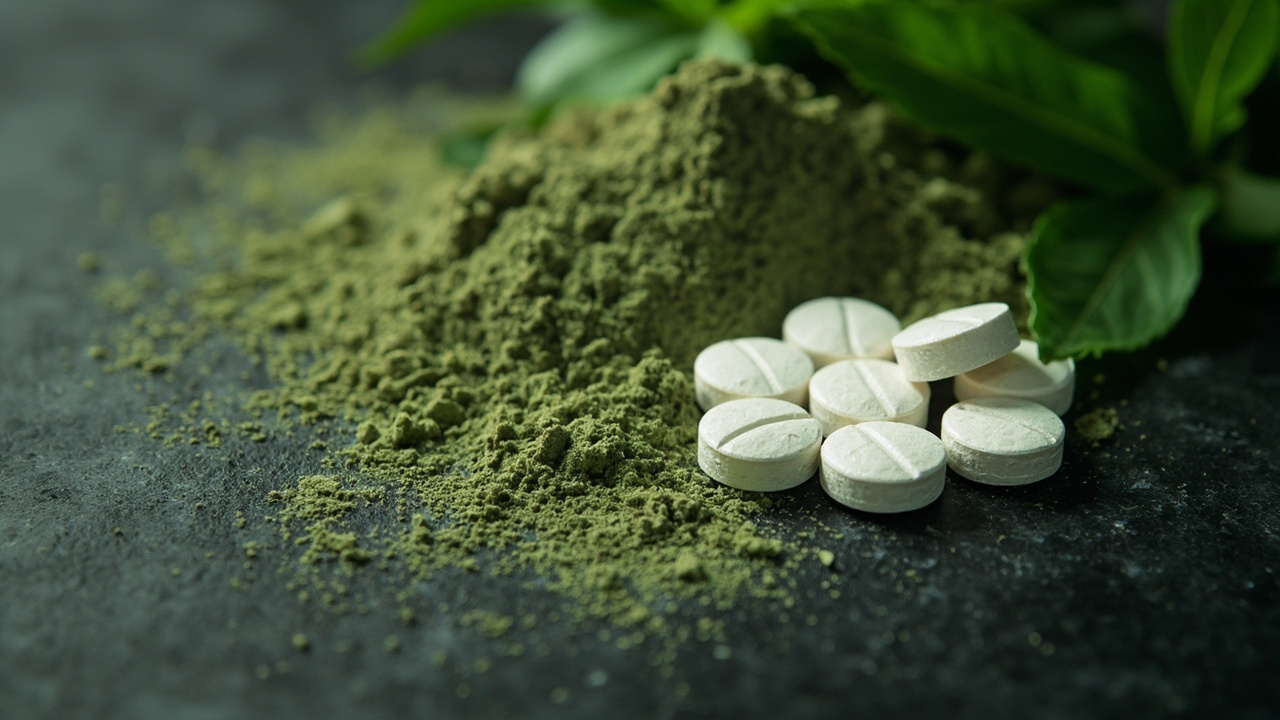
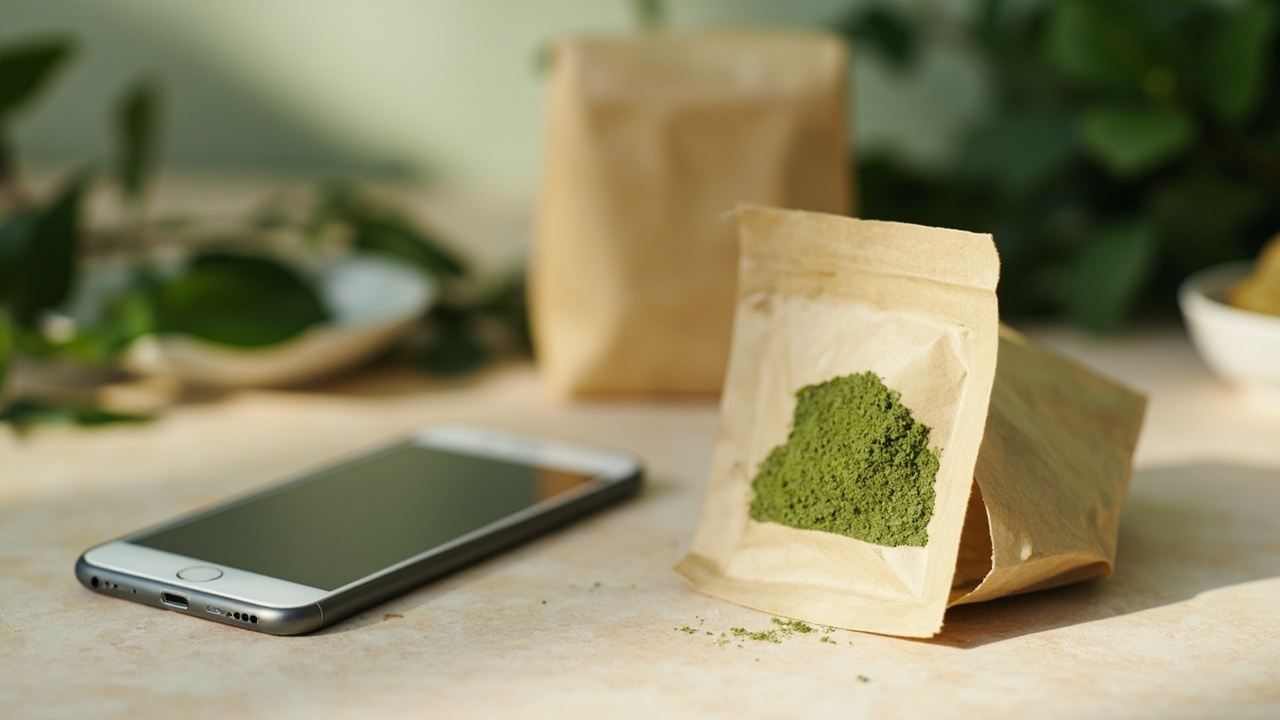
Figuring out how much kratom to take can feel like guesswork, and that’s because it kind of is. Unlike a bottle of pills with a dose printed on the label, kratom doesn’t come with a universal number. What works beautifully for one person feels like nothing to another, or a touch too much. That’s not a flaw in the plant. It’s just how a botanical works, and once you understand the handful of factors involved, dialling in your own routine gets a lot less mysterious.
Kratom is the powdered leaf of Mitragyna speciosa, a tree in the coffee family that grows across Southeast Asia. Its character comes from natural compounds called kratom alkaloids, chiefly mitragynine and 7-hydroxymitragynine. This is a plain-spoken Canadian guide to kratom dosage and, just as importantly, how to actually take it: the general serving-size ranges people use, the timing that makes a gram work harder, the different ways to take kratom, and the practical habits that keep it working over time.
One thing up front. Everything below is general educational information, not medical advice, and none of it is a prescription or a treatment plan. Kratom is not approved by Health Canada for human consumption, so serving sizes here describe what people commonly do, not what you should do. If you have a health condition, take medication, or are pregnant or breastfeeding, talk to a healthcare professional before using kratom. The single best habit with any kratom product is simple: start low, go slow.
What this guide covers
- How to dose kratom — general serving ranges and the factors that shift them
- When to take it and timing — the one-hour rule, empty stomach, and pairing with coffee
- Ways to take kratom — toss and wash, tea, capsules, extracts, and gummies
- Potentiators and making it last
- Tolerance and strain rotation
- Frequently asked questions
How to Dose Kratom: General Serving Ranges
Here’s the honest truth about kratom dosage: there is no single correct number, and any guide that hands you one is overselling. What there is instead is a set of general ranges that regular kratom users tend to settle into, plus a method for finding where you personally land inside them. Think of the ranges as a map, not a prescription. Your job is to start at the low edge and move slowly, because you can always add a little more next time, but you cannot un-take a dose that turned out to be too big.
For loose kratom powder, the ranges people most commonly describe look roughly like this. A threshold amount, around 1 to 2 grams, is the barely-there starting point, and it’s exactly where a first-timer should begin. A low-to-moderate serving sits around 2 to 4 grams, which is where most everyday kratom use happens. A larger serving, in the 4 to 5 gram neighbourhood, is territory experienced users move into gradually and deliberately. Going beyond that? Rarely the shortcut to a better experience people hope for. Bigger kratom doses past a certain point tend to flip heavy and foggy rather than better — a pattern worth filing away early.
Notice how modest those numbers are. A gram of powder is not much, and the difference between a pleasant serving and an unpleasant one can be a single gram. That’s the whole reason a cheap kitchen scale beats eyeballing a spoon. Volumetric guesses drift wildly between strains because a fluffy powder and a dense one fill a teaspoon very differently, so a scale that reads to 0.1 grams is the one accessory genuinely worth owning if you use kratom with any regularity.
Factors that shift your ideal amount
Why do the ranges vary so much person to person? A few things. Body weight and metabolism matter, the same way they do with coffee: a larger person often needs a bit more to feel the same effects of kratom, and a fast metabolism clears it quicker. Tolerance is huge, and we’ll come back to it, because a daily user and a weekend user are not playing the same game. The specific product and strain shift things too, since kratom alkaloids sit in slightly different ratios across strains, and a concentrated kratom extract needs a fraction of what raw kratom powder does. And an empty versus full stomach changes both how much you need and how fast it arrives.
Your goal steers the amount as well. A smaller dose of kratom tends to feel brighter, and the stimulant effect is more pronounced down there — alert, a little chatty, mildly lifted. Larger servings? They swing the other way, heavier and more sedating. That flip is the biphasic quality people talk about, and it’s exactly why chasing a bigger effect by piling on grams so often backfires. If a modest amount isn’t doing what you hoped, the answer is usually a different strain or smarter timing. Rarely just more powder.
One neutral safety note belongs here. Like anything, kratom can come with unwanted effects, most commonly nausea, constipation, or a jittery, off-balance feeling people call the wobbles, and these show up more often at higher doses of kratom or when it’s stacked with other substances. Keeping servings moderate, staying hydrated, and never combining kratom with alcohol or other sedatives are the sensible baseline. If something feels off, the answer is less, not more.
When to Take Kratom and How to Time It
Timing is the lever most people ignore. They blame the strain, or the dose, when really they just took it at the wrong moment. Get the clock right and the same gram of powder works noticeably harder. Here’s the thing: kratom isn’t a flat, all-day substance. It rises, peaks, and fades on a curve. Dose with your day rather than against it and that curve starts working for you.
The single most useful fact for timing is the onset. In the first human pharmacokinetic study, mitragynine reached peak blood levels in about 50 minutes, which lines up neatly with the practical rule people use: take kratom roughly an hour before you want the effect (Trakulsrichai et al., 2015, Drug Design, Development and Therapy). Need to be sharp for a 10 a.m. meeting? Take it at nine. That one-hour buffer is a starting point, not a law, because body weight, metabolism, hydration, and whether you’ve eaten all nudge the timeline. Pay attention to your own response over the first week or two and adjust.
Speaking of eating: an empty stomach is the classic move for a faster, stronger onset, which is why so many people take kratom first thing in the morning before breakfast. The trade-off is that raw powder on a truly empty stomach makes some people queasy, so a light snack twenty minutes beforehand is a fair middle ground if you’re sensitive. After the peak, the effects of kratom last several hours and taper off gradually. So space your doses sensibly. Re-dosing on top of a serving that’s still working is the fast lane to a climbing tolerance, and nobody wants that.
Pairing kratom with coffee
Kratom and coffee are practically cousins, both members of the Rubiaceae family, both alkaloid-rich tropical leaves with a stimulating character, so it’s no surprise a lot of Canadians pair them. They stack rather than fight because they work through different mechanisms: caffeine blocks adenosine receptors while kratom’s alkaloids act on other pathways entirely. The timing dovetails, too. Coffee peaks in 30 to 45 minutes and a green or white kratom shows up a little later, so as the caffeine begins to fade the kratom is hitting its stride.
A gentle way to try it: a cup of coffee at 7:30, then a modest 2 to 2.5 gram serving of a green or white strain around 8:15, with both peaking together mid-morning. Balanced greens like Super Green Malay or Super Green Maeng Da are the smoothest partners. Save the strongest white-plus-coffee combinations for experienced users who handle stimulants well, keep the total moderate, and skip the pairing with reds, which rather defeats the purpose. If coffee already makes you jittery, this stack will amplify that, so read your own tolerance honestly.
Ways to Take Kratom
How you take kratom shapes the whole experience: how fast it arrives, how it tastes, how convenient it is, and how much you get for your money. There’s no single best format, only the one that fits your routine. Here are the main ways people take kratom, compared honestly.
Toss and Wash
Toss and wash is the fastest, cheapest method, and it’s exactly what it sounds like: measure your kratom powder, tip it into your mouth, and wash it down with a big swig of juice or water. No prep, no equipment beyond a scale, and because you’re taking raw kratom directly, the onset is quick. The catch is the taste. Kratom is genuinely bitter and the powder texture takes some getting used to, so people chase it with citrus juice, which helps on two fronts by masking the flavour and adding a little acidity. Do it in small mouthfuls rather than one heroic gulp and you’ll avoid the coughing fit that turns beginners off.
Kratom Tea
If your stomach is sensitive, brewing is the gentlest option going. To make kratom tea, simmer 2 to 5 grams of powder in about 500 ml of near-boiling water with a squeeze of lemon, steep 15 to 20 minutes with the occasional stir, then strain out the plant material and sweeten to taste. Keep the water at 85 to 90 degrees rather than a rolling boil, because too much heat degrades the kratom alkaloids. Tea absorbs a little more smoothly than raw powder, so people report fewer stomach spikes and less nausea.
The lemon isn’t just for flavour. Mitragynine is poorly water-soluble and lipophilic, so dropping the pH of your brew with a little acid coaxes more of it into solution, which is the real chemistry behind the old lemon trick (Ramanathan et al., 2015, Molecules). A properly acidified batch extracts noticeably better, and half a lemon per pot is plenty. Brew a thermos in the morning and you’ve got a portable, ritualised way to take kratom that beats fumbling with a scale in public. As a rough guide to strength, a first-timer might use 2 grams per two-cup batch while a regular user runs 3 to 5.
Kratom Capsules
Kratom capsules trade a little value for a lot of convenience. Each capsule is a pre-measured shell, usually gelatin or a plant-based alternative, holding a set amount of powdered leaf, typically around half a gram. The appeal is obvious: no scale, no bitter taste, no mess, and they’re discreet enough to take anywhere, which makes them a favourite among regular kratom users who value simplicity. The trade-offs are worth knowing. Capsules cost more per gram than loose powder because you’re paying for the packaging and labour, they take a bit longer to kick in while the shell dissolves, and reaching a larger serving can mean swallowing eight or ten capsules. For a fixed daily routine they’re excellent; for dialling in a new amount, loose powder gives you finer control.
Kratom Extracts
Kratom extract is concentrated: the alkaloids are pulled from the leaf using water, alcohol, or another solvent and condensed into a far more potent product, so you need much less of it than standard kratom powder to feel a comparable effect. Extracts come as liquid tinctures with a dropper, concentrated powders, and highly concentrated resins. The upside is potency and small serving sizes; the downside is that potency demands respect. Because an extract can be many times stronger gram-for-gram than raw leaf, it’s very easy to overshoot, tolerance can climb faster, and it’s not where beginners should start. If you do use extracts, measure carefully, treat the dropper or scoop as the whole serving, and remember that a little goes a long way.
Kratom Gummies and Edibles
Gummies and edibles are the most palatable way to take kratom. They’re chewable, candy-like products containing powdered or extracted leaf, with the natural bitterness masked by sweet, fruity flavours, so they sidestep the biggest complaint people have about loose powder. Like capsules, each piece is pre-measured, which makes serving sizes predictable and travel easy. As edibles they pass through digestion, so onset is slower and gentler, and because many are extract-based the potency per piece can vary a lot between products, which makes reading the label and starting with a single piece the smart move. They’re a genuinely pleasant entry point, just check whether you’re buying a leaf-based or extract-based product before you settle on how many to take.
Potentiators and Making It Last
A kratom potentiator is anything that makes a serving hit a little harder or last a little longer, and the internet is full of them, from grapefruit juice to magnesium to exotic herbs. Some have a real mechanism behind them. Plenty are folklore, repeated because they sound plausible. Framed plainly and non-medically, here’s what actually has a basis, and the caveats that come with it.
Grapefruit juice is the classic, and it works through genuine pharmacokinetics. Grapefruit contains furanocoumarins that inhibit CYP3A4, a liver enzyme involved in metabolising kratom, so slowing that enzyme lets the alkaloids linger a bit longer (Hanapi, Ismail and Mansor, 2013, Pharmacognosy Research). People typically drink 150 to 200 ml of pure juice about half an hour before their serving. Big caveat, though: grapefruit is an aggressive enzyme inhibitor that interacts with a long list of medications, including statins, blood pressure drugs, some antidepressants, and benzodiazepines. If you take any prescription, do not use this trick without asking a pharmacist first. Turmeric, specifically curcumin, is a gentler CYP3A4 inhibitor that’s easier to sit alongside medications, and it’s the milder option people reach for.
Honestly, the most reliable “potentiator” isn’t exotic at all. Taking kratom on an empty stomach, staying well hydrated, and being consistent with good-quality leaf do more for a satisfying experience than most additives. The subtler point is that reaching for potentiators every single time can quietly push your tolerance up, which defeats the purpose. Use them occasionally, if at all, and lean on timing and freshness first.
Tolerance and Strain Rotation
If you’ve used kratom daily for a while and noticed your usual amount just doesn’t land like it used to, that’s tolerance, and it’s the most common thing long-term Canadian users run into. Your body adapts to the alkaloids: receptors down-regulate, liver enzymes speed up and clear kratom faster, and your brain starts to expect the effect. Same dose, weaker punch. The instinct is to take more, which is exactly the move that makes it worse.
How fast it develops depends on the pattern of kratom use. A weekends-only user may keep minimal tolerance almost indefinitely. Three to four days a week tends to build mild tolerance over a month or two. A daily moderate serving brings noticeable tolerance within a couple of weeks, and daily high doses of kratom can do it in one or two. The warning signs are consistent: your usual amount underwhelms, you find yourself dosing more often, and unwanted effects show up before any of the good stuff.
Strain rotation and taking breaks
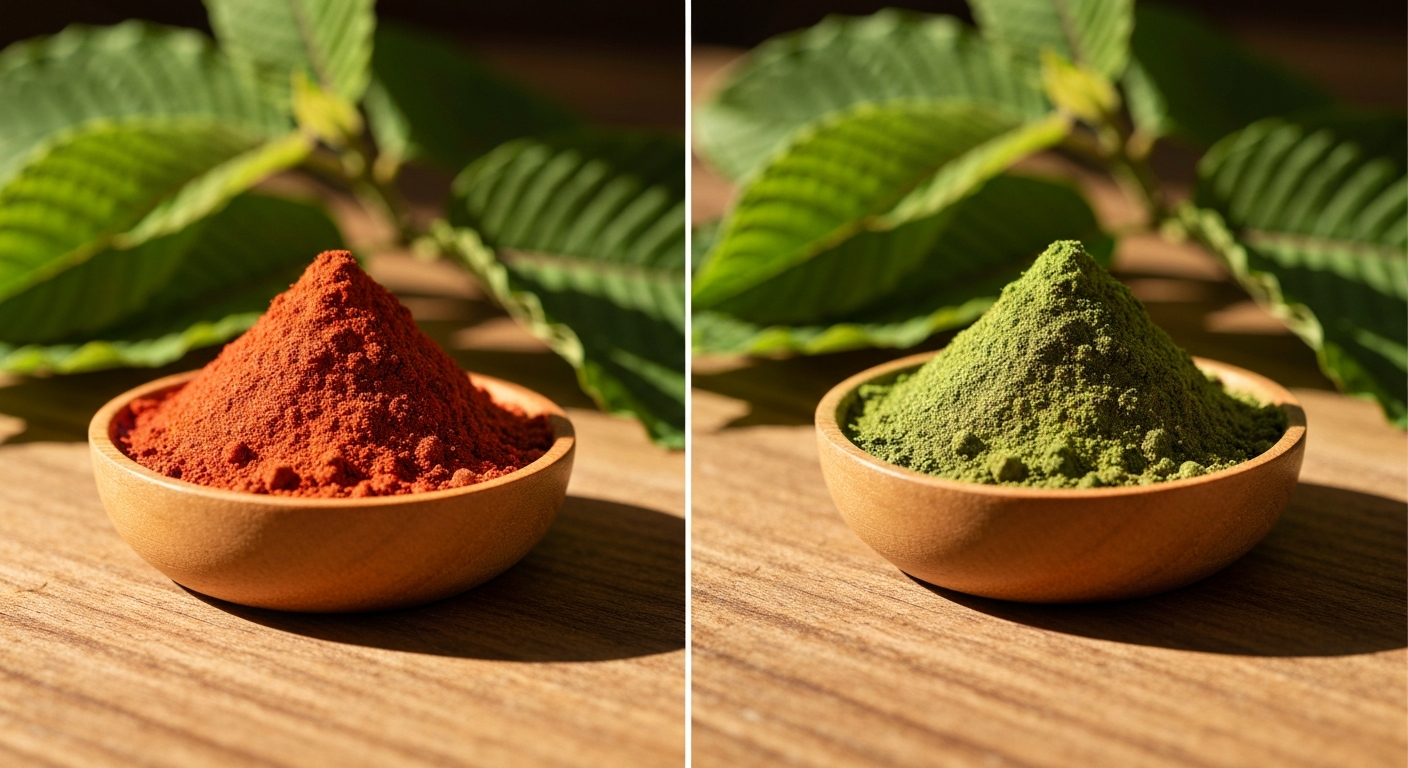
The core strategy is rotation. Different kratom strains carry slightly different alkaloid ratios, so switching between them means no single receptor pattern fully desensitises. The trick is to mix vein colours and origins, and the further apart, the better. A simple three-day rotation might run a red like Super Red Bali on day one, a green like Super Green Malay on day two, and a white like Super White Thai on day three. A more elaborate weekly version spreads several strains across the workdays and builds in one or two rest days, which a lot of experienced Canadians organise around their week: stimulating whites for busy workdays, balanced greens for focus, reds to wind down.
Rotation stretches things, but it isn’t magic. The one thing that genuinely resets tolerance is a break. Even a few days off lets your receptors recover, and people often find that after a short pause their old modest serving feels strong again, which is the whole point. Building in regular rest days, keeping your baseline amount as low as it can comfortably be, and resisting the creep upward are what keep kratom working over the long run. Less, used thoughtfully, beats more.
Frequently Asked Questions
How much kratom should a beginner take?
As a general guide, first-timers usually start around 1 to 2 grams of powder and wait a full hour before deciding whether to adjust. That’s a threshold amount on purpose. It lets you learn how your body responds to kratom without overshooting, and you can nudge up slightly next time if you want to. This is general information, not medical advice, and starting low is the single most sensible habit a new user can build.
Should I take kratom on an empty or full stomach?
An empty stomach gives a faster, stronger onset, which is why many people take kratom first thing in the morning. The trade-off is that raw powder on a completely empty stomach can cause nausea for sensitive people, so a light snack about twenty minutes beforehand is a reasonable compromise. Try both and see which your stomach prefers.
How long before kratom kicks in?
Roughly an hour, though it varies. Human research found mitragynine peaks in the blood around 50 minutes after a dose, so taking kratom about an hour before you want the effect is the practical rule. Body weight, metabolism, hydration, and whether you’ve eaten all shift the timing a little, so treat the one-hour figure as a starting point and learn your own response.
Which way of taking kratom is best?
It depends on what you value. Toss and wash and loose powder are cheapest and give the finest control over your amount. Capsules and gummies are the most convenient and best-tasting, at a higher cost per gram. Tea is gentlest on the stomach. Extracts are the most potent and the easiest to overshoot, so they suit experienced users rather than beginners. Many people keep more than one format for different situations.
Why doesn’t my usual amount work anymore?
That’s almost always tolerance. With regular kratom use your body adapts and the same serving feels weaker. Taking more only accelerates the cycle. The better fixes are rotating between different strains, keeping your baseline amount modest, and taking a few days off, which is the one thing that genuinely resets tolerance. Patience beats piling on grams here.
Is there a safe upper limit for kratom?
There’s no official approved dose, since kratom isn’t approved by Health Canada for consumption, so this is general information rather than a medical limit. What people consistently find is that bigger isn’t better: past a moderate serving, effects tend to turn heavy and unwanted effects like nausea become more likely. Keep servings moderate, never mix kratom with alcohol or other sedatives, and check with a healthcare professional if you take medication or have a health condition.
Where to Start
The best dosage plan means little without quality leaf behind it. Because kratom isn’t federally regulated for consumption, freshness and honest lab testing genuinely matter, so buy only from a transparent vendor that screens each batch. If you’re ready to put this into practice, browse the full range of powders, capsules, and more on our shop page, or head back to the homepage to see what ships across Canada. Start low, go slow, and let your own experience be the guide.

Prefer delivery? You can shop lab-tested kratom powder — every batch third-party lab tested, same-day dispatch from Vancouver before 11:00 AM PST, and free shipping across Canada on orders over $99.