How long does kratom stay in your system? Short answer: the effects fade in 4–8 hours, but trace alkaloids can hang around in blood, urine, and hair for days to months. Wide range. Here’s the breakdown Canadians actually need, for drug testing, tolerance, and how kratom metabolizes.
Kratom’s Half-Life Explained
Half-life. It’s the time it takes for half a substance to clear out of your bloodstream. Simple idea. For kratom’s primary alkaloid, mitragynine, the older textbooks lowball it. As the NIH National Library of Medicine, StatPearls Kratom notes, “The half-life of mitragynine has an estimated half-life of 3 hours”. But that’s only part of the picture.
- Half-life: ~23 hours (single-dose studies)
- 7-hydroxymitragynine half-life: ~2–3 hours
- Full clearance: ~5 half-lives ≈ 5 days from a single dose
That’s longer than most folks guess. The first human pharmacokinetic study measured mitragynine’s terminal half-life at about 24 hours (23.24 hours), meaning it clears slowly over roughly a day (Trakulsrichai et al., 2015, Drug Design, Development and Therapy). You “feel” kratom for 4–8 hours. After that? Your body’s still busy, processing it long after the buzz is gone.
How Long Kratom Is Detectable
In urine
- Occasional user (1 dose): 1–3 days
- Regular user (daily dosing): 5–9 days
- Heavy daily user: Up to 14+ days
Urine wins for the longest window. It’s also the most common test by far. One catch. Standard 5- and 10-panel employment tests don’t screen for kratom. You’d need a specific kratom panel. And those? Rare in Canada.
In blood
- Detection window: 24–72 hours
- Less common as a test, usually reserved for forensic or medical use
In saliva
- Detection window: 24–48 hours
- Rarely tested for kratom
In hair
- Detection window: Up to 90 days
- Very rarely used for kratom; expensive and mostly for forensic purposes
Does Kratom Show Up on Standard Drug Tests?
No. Short and simple. Standard Canadian 5-panel and 10-panel screens test for a fixed list. Kratom isn’t on it. As the NIH PMC, Mitragynine Pharmacokinetics Study notes, “Steady-state mitragynine concentrations were reached in 8–9 days and 7-hydroxymitragynine within 7 days”. Here’s what those panels actually look for:
- Amphetamines
- Cannabis (THC metabolites)
- Cocaine
- Opiates (morphine, codeine)
- Phencyclidine (PCP)
See kratom anywhere on that list? Nope. Its alkaloids are structurally different from opiates. They don’t trigger opiate panels. Specific kratom panels do exist. But they’re rare outside forensic contexts.
Factors That Affect How Long Kratom Stays in You
1. Frequency of use
Daily users carry higher baseline levels. Makes sense. The alkaloids pile up faster than the body clears them. One-time user? You’ll clear it in a fraction of the time.
2. Dose size
A 2 g dose clears faster than a 6 g dose. Obvious enough. But it’s not just linear. At higher doses your enzymes saturate, and that slows the whole thing down.
3. Metabolism rate
Kratom leans on two liver enzymes, CYP3A4 and CYP2D6. Genetics matter here. Big time. Some people clear kratom way faster, others way slower, and a lot of it’s baked into your DNA.
4. Body composition
Mitragynine is fat-soluble. That’s the key detail. Folks carrying more body fat tend to hold onto kratom alkaloids a little longer.
5. Hydration
Drink water. Well-hydrated people flush water-soluble metabolites out through urine faster. Simple as that.
6. Age and liver function
Age plays a role. So does the liver. Older adults, and anyone with liver impairment, clear kratom more slowly.
7. Other medications
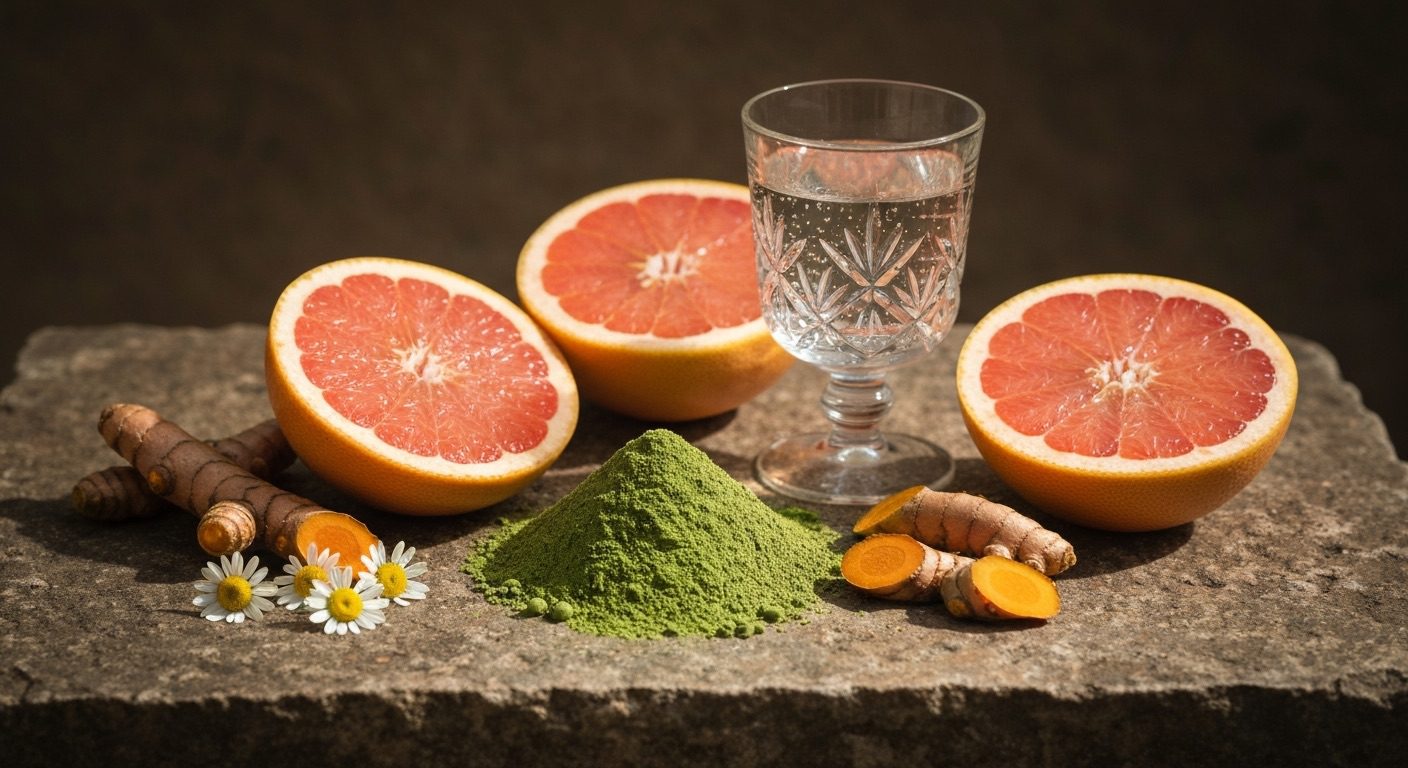
Watch your other meds. Anything that inhibits CYP3A4, like grapefruit juice, some antidepressants, certain antibiotics, will drag out kratom metabolism.
How to Clear Kratom Faster
Let’s be real. A lot of the advice online is overblown. So what actually helps? As the NIH PMC, Mitragynine Pharmacokinetics Study notes, “After a SD, mitragynine concentrations were measurable in some subjects 10 days after dosing”. Ten days. From one dose. Here’s the short list that genuinely moves the needle:
- Hydrate aggressively. 3–4 L of water daily accelerates urinary clearance.
- Exercise. Cardio and strength training speed metabolism.
- Eat a clean diet. Supports liver enzyme function.
- Avoid CYP3A4 inhibitors (grapefruit juice, certain antidepressants).
- Time. There is no legitimate “detox product” that meaningfully accelerates clearance beyond what your body already does.
Bottom line? Need kratom cleared for a test? Give yourself 5–7 days of abstinence for a single dose. For regular-user clearance, plan on 10–14 days.
Kratom Half-Life vs Effect Duration
Two different things. People mix them up constantly. The high fades long before the drug is physiologically cleared:
- Effect duration: 4–8 hours (depends on strain)
- Mitragynine half-life: ~23 hours
- Complete clearance: 4–7 days
Does Tolerance Affect Clearance?
Not directly. Here’s why. Tolerance is about receptor sensitivity, not metabolism. A heavy daily user feels less from a given dose, sure, but the drug still clears on roughly the same physiological timeline. As the NIH National Library of Medicine, StatPearls Kratom notes, “Mitragynine is converted via hepatic metabolism into 7-OH-mitragynine”. Different mechanism entirely.
Kratom in Pregnancy and Breastfeeding
This one’s serious. Kratom alkaloids cross the placenta. They pass into breast milk too. Clinical evidence is limited, but there are documented cases of neonatal abstinence syndrome in babies born to regular kratom users. So the guidance is clear. Health Canada recommends avoiding kratom during pregnancy and breastfeeding.
What About Kratom on a Pre-Employment Drug Test in Canada?
Good news for most people. The overwhelming majority of Canadian pre-employment drug tests don’t screen for kratom. Safety-sensitive industries, think transportation, oil and gas, may order expanded panels. Even those rarely include kratom, though. Uncertain? Check with your employer’s HR department. As the NIH National Library of Medicine, StatPearls Kratom notes, “The Drug Enforcement Administration does not recognize kratom as a controlled substance”.
Kratom and DUI Testing in Canada
Roadside impairment testing in Canada doesn’t screen for kratom. That said, here’s the catch. Operating a vehicle while impaired by any substance is still illegal. Use common sense. Don’t drive impaired. Doesn’t matter what’s legal.
Practical Takeaways
- One dose clears in 4–7 days for occasional users
- Daily use extends clearance to 9–14+ days
- Standard drug tests do NOT detect kratom
- Specific kratom tests exist but are rare
- Hydration, exercise, and time are the only effective “detox” methods
How long does kratom stay in your system questions
How long does it take for kratom to kick in?
Depends on your stomach. Empty? 20–45 minutes. With food, 45–90 minutes.
Does kratom show up on a DOT drug test?
Standard DOT panels don’t test for kratom. Some jurisdictions may order expanded screens, though. Worth knowing.
Can kratom cause a false positive for opiates?
Rarely. But yeah, it’s been reported. If your employer drug tests and you come back positive for opiates without taking any, speak up. Mention kratom use to the medical review officer. A confirmatory GC-MS test will sort it out.
Will kratom show up on a urine test after 48 hours?
From a single dose? Possibly. Heavy daily users, though? Almost certainly still positive at 48 hours.
Want Clean, Lab-Tested Kratom?
Every batch we ship gets tested for contaminants, adulterants, and alkaloid content. No exceptions. See our lab testing standards or browse the full shop. Free Canada-wide shipping over $99 CAD.
What to do if you have a drug test coming up and you have been using kratom
First things first. Figure out what kind of test you’re facing. Standard five-panel and ten-panel employment drug screens used in Canada don’t test for kratom alkaloids. That’s not a loophole. It’s just chemistry, mitragynine and 7-hydroxymitragynine are structurally distinct from the opioids these panels detect, and standard immunoassays don’t cross-react with kratom in the vast majority of cases.
The exceptions are specific. A specialized kratom panel exists, ordered now and then in forensic contexts, certain professional licensing situations, a handful of safety-sensitive industries. Has your employer flagged kratom specifically? Is the test tied to a custody dispute, a treatment compliance check, some other targeted scenario? Then assume detection is possible. Plan accordingly.
For occasional users with a single dose two weeks out from a test, the math is simple. Mitragynine clears the urine in three to five days for most adults. By day ten, even sensitive specialized tests typically return negative. Daily users at moderate doses? The window stretches to seven to ten days. Daily high-dose users above eight grams per day, plan on two full weeks of abstinence before a specialized panel.
And no, there’s no legitimate detox product that meaningfully accelerates clearance. Those marketed flush drinks rely on dilution, which flags as a tampered specimen in any properly run lab. The honest options? Time, hydration, and exercise, in roughly that order of importance. If a test is more than ten days out, stop kratom now and you’ll almost certainly clear.
Why the half-life numbers in old kratom literature were so wrong
For years, kratom literature reported a mitragynine half-life of around three hours. That number is still cited everywhere. Including, yes, earlier sections on this site. Trouble is, it’s wrong. Or at least incomplete. The more recent controlled pharmacokinetic studies tell a meaningfully different story, and it matters for anyone planning around drug tests, tolerance management, or dose timing.
So where did three hours come from? Early studies. They measured plasma concentrations over a short window after a single dose. Those caught the first elimination phase but missed the slower terminal phase that follows. Newer multi-day controlled studies show something different. A terminal half-life closer to forty-three hours after a single dose, pushing past sixty-five hours once repeated doses build up steady-state levels.
What does that mean in practice? Kratom clears the body much more slowly than most users assume. A daily user takes a three-day tolerance break and feels restored. But plasma levels are still meaningfully elevated. True receptor reset, the kind that restores a forgiving response curve, takes closer to ten to fourteen days for daily users at moderate doses.
And for drug testing? The longer half-life means the urine detection window stretches further than older guides suggested. Single-dose detection is still in the three to five day range. Daily users, though, should plan on seven to ten days of abstinence as the bare minimum before a specialized kratom panel returns clean. Heavy daily users above eight grams per day, plan on the full fourteen days. The numbers matter. Lean on outdated half-life estimates and you can get some real surprises.
Educational content only. Not medical or legal advice.
Looking to buy kratom in Canada? Kratom Active ships lab-tested red, green, and white vein strains across the country, with tracking and free shipping on qualifying orders.