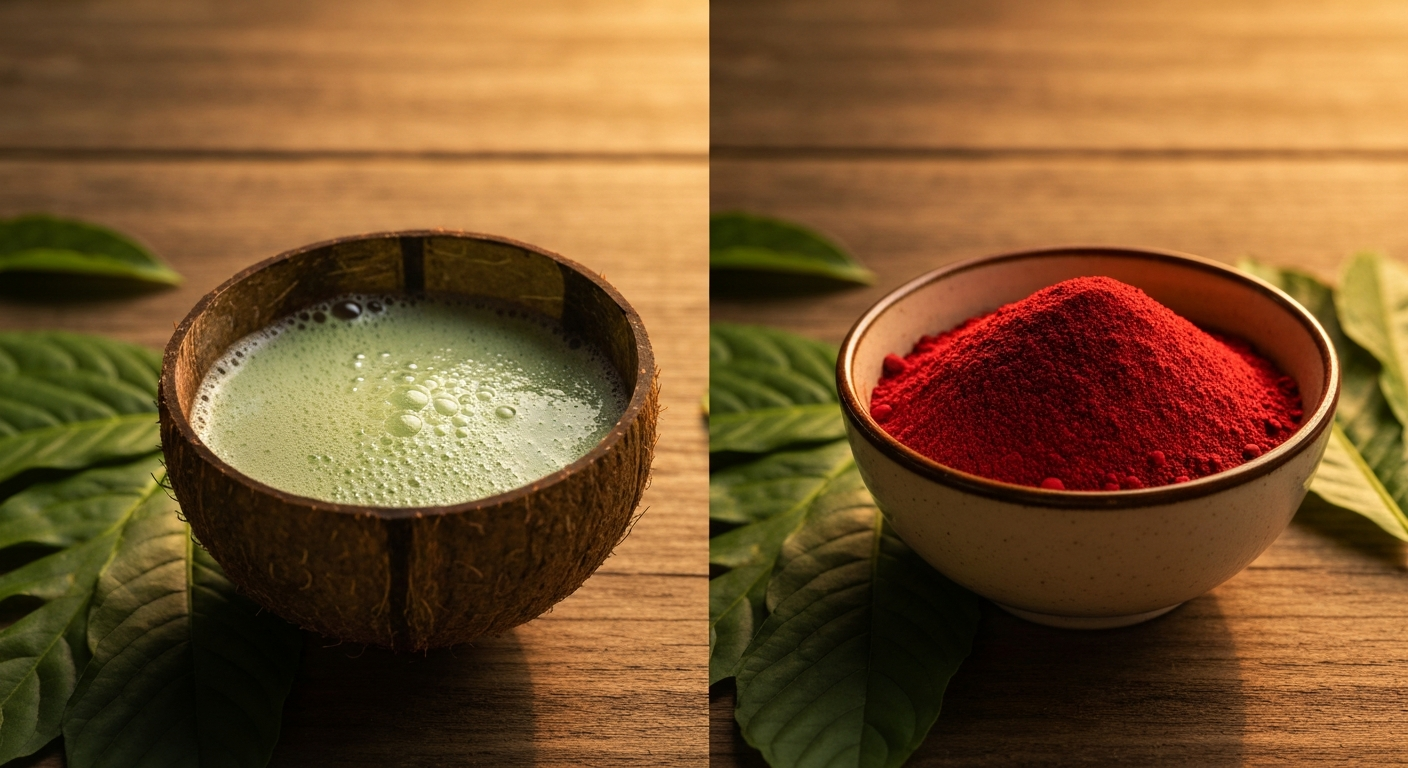
Yellow vein kratom is not a natural fourth vein color; it’s green or red leaf that’s been dried or fermented longer, which mellows the effects into a smooth, balanced middle ground. That’s the whole secret. There is no yellow-veined tree growing somewhere in Borneo. What you’re actually buying is a process, a deliberate extra step taken after the leaves come off the branch. Canadian buyers see “yellow” and “gold” on labels constantly and assume it’s a separate plant. It isn’t. Knowing that changes how you shop.
What Is Yellow Vein Kratom (and Why It’s Not Really a Vein)
Let’s clear this up first. The kratom plant gives you three real leaf colors based on vein maturity: white (young), green (mid), and red (mature). Yellow and gold sit outside that lineup. They’re created, not grown. A farmer takes green or red leaf and changes how it’s dried, how long it sits, sometimes whether it ferments. The result shifts the color toward a tan, gold, or yellow tone. Hence the name.
So when you read kratom strains guide material that lists yellow as a “vein,” take it with a grain of salt. Marketing did that. The honest framing is simpler. Think of it as a process. A finishing technique. Gold kratom and yellow kratom are basically interchangeable terms, with “gold” usually implying a slightly richer or longer cure. Some vendors swear there’s a difference. Most of the time there isn’t a meaningful one.
Why does any of this matter to you? Because once you understand it’s a drying method, the effects make sense. You’re not getting a mystery strain. You’re getting familiar leaf, processed to round off its sharper edges.
How Yellow and Gold Kratom Are Made
Here’s where it gets interesting. Take a green vein leaf. Dry it the normal way and you get standard green kratom. But dry it longer, or expose it to more sun, or let it cure in controlled humidity, and the leaf chemistry shifts. Some producers ferment it. Some sun-dry outdoors for extended stretches. Others blend dried reds and greens together and call the mix gold. There’s no single recipe, which is honestly part of the confusion.
The science backs up why this works. A 2025 study found that drying and withering raises mitragynine levels (by 14 to 65% in one cultivar) and that 7-hydroxymitragynine forms mainly during post-harvest processing, which is exactly why a longer-dried yellow leaf feels different from a fresh green one (Todd et al., 2025, Frontiers in Plant Science). Read that twice. The processing changes the alkaloids. That’s not vendor hype, that’s plant chemistry.
Mitragynine is the headline alkaloid in any kratom. The supporting cast, the minor alkaloids, shift around during curing too. A longer dry tends to soften the stimulating top-notes and bring forward a steadier, rounder profile. Less spike. More plateau. That’s the yellow signature in a nutshell.
What Does Yellow Vein Kratom Feel Like?
Balanced. That’s the word people reach for again and again. Yellow vein kratom tends to land in the middle: a gentle mood lift, mild clean energy, and a noticeably long duration compared to a fast green. It’s not the couch-pull of a heavy red. It’s not the buzzy edge of a white either. It threads between them.
Users often describe it as the “all-day” option. Smooth, balanced, mellow. You take it in the morning and it carries without the harsh comedown some whites bring. Many people who find white vein kratom too jittery and red vein kratom too sedating settle on yellow as their daily driver. It’s a Goldilocks strain. Not too much of anything.
What might you notice?
- A subtle, even mood boost rather than a sharp euphoric peak
- Light, sustainable energy that won’t crash hard
- Longer-lasting effects, often outlasting a comparable green dose
- A calm focus that doesn’t tip into drowsiness
- Gentler onset, which suits people sensitive to stronger strains
Worth saying plainly. Effects vary. Your body, your tolerance, your dose, the specific batch. Two people taking the same gold Bali can report different things. That’s normal.
Best Yellow and Gold Kratom Strains
Not all yellows are equal. The base leaf and the region matter. A few that consistently show up as favorites:
Yellow Bali
Mellow and comforting. Yellow Bali leans toward the relaxed side of the spectrum, likely because it often starts from red-leaning Bali leaf. Good for evenings or low-key afternoons. People who want calm without full sedation gravitate here. It’s a soft landing.
Yellow Maeng Da
The energetic one. Yellow Maeng Da keeps some of that famous Maeng Da kick but smooths it out through extended drying. Think clean motivation with staying power. If you like a productive lift but green Maeng Da feels too sharp, this is your strain. A lot of Canadians make it their morning go-to.
Gold Borneo and Gold Indo
Rich, rounded, dependable. These gold variants tend toward balance with a slightly heavier body feel. Solid choices for relaxation that still lets you function. Reliable workhorses, not flashy.
One tip. If a strain you love comes in green, try its yellow version. You’ll often recognize the family resemblance with the harsh corners filed off.
Yellow Vein Kratom Dosage
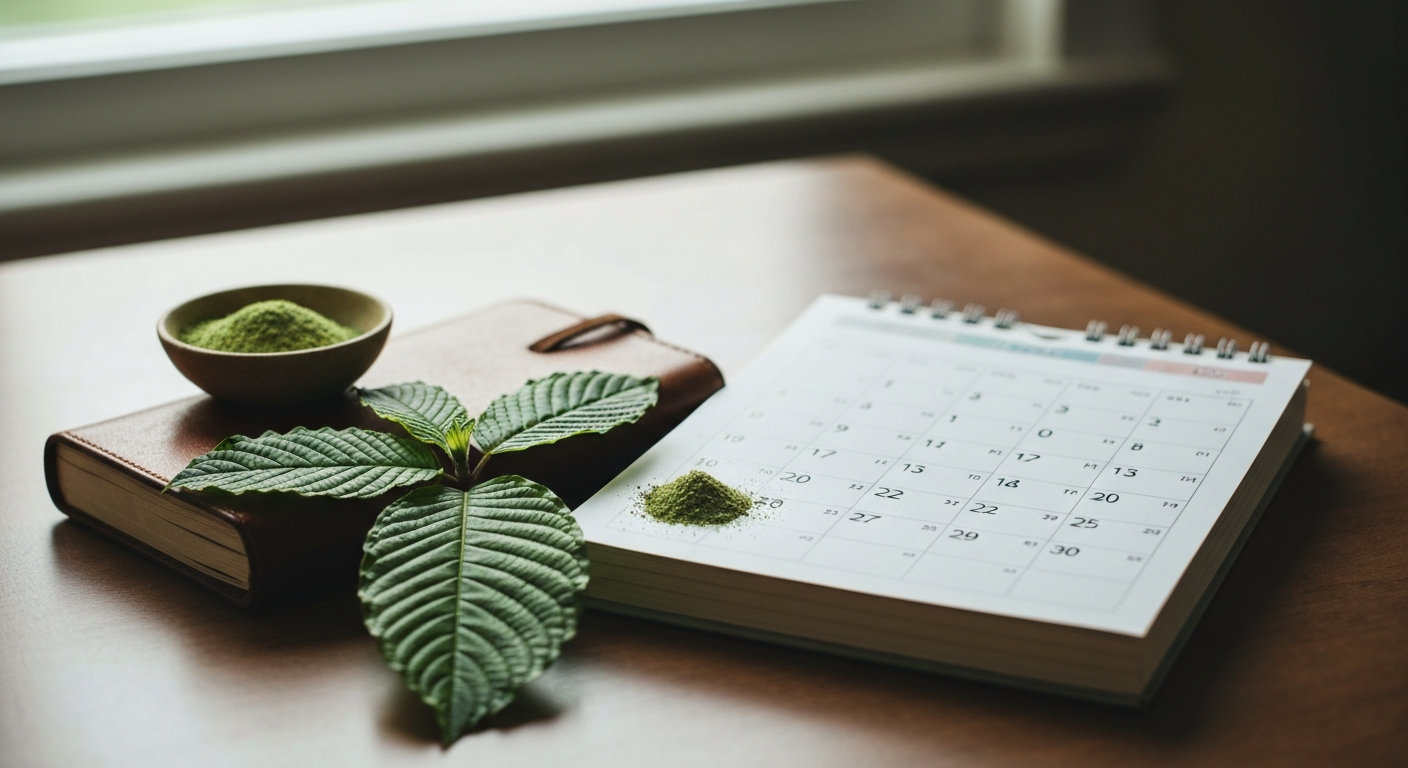
Start low. Always. With yellow and gold, the typical range runs 2 to 5 grams. Here’s a sensible way to step in:
- 2 to 3 grams: a light, gentle dose. Good first try. Mild lift, subtle calm.
- 3 to 4 grams: the common sweet spot. Most people find their balanced effects here.
- 4 to 5 grams: a stronger, more pronounced experience with longer duration.
New to kratom entirely? Begin at the bottom of that range. Wait. Yellow has a gentler onset, so give it 30 to 45 minutes before deciding whether to adjust. Don’t stack doses impatiently. That’s how people overshoot. For a fuller breakdown across strains and tolerance levels, our kratom dosage guide walks through it step by step.
And rotate your strains. Using the same yellow every single day builds tolerance faster than you’d like.
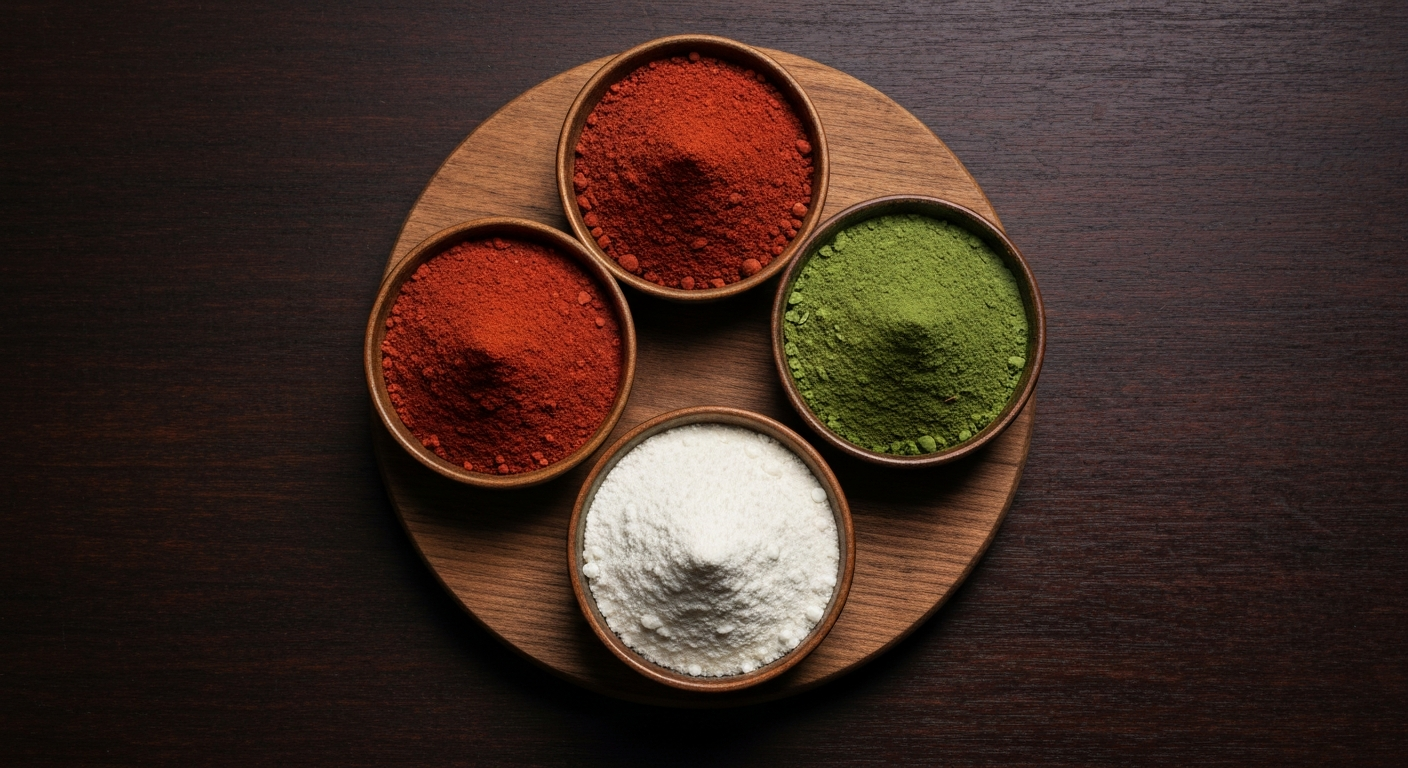
Yellow vs Red vs Green vs White
How do they actually stack up? Quick comparison, because this is the question everyone really has.
- White: most energizing and bright. Morning fuel. Can feel sharp or jittery for some.
- Green: the all-rounder. Energy plus mild calm, moderate duration. A popular daily pick. See green vein kratom.
- Red: the relaxer. Heavier, calming, evening-oriented. Longest body sedation.
- Yellow/Gold: the smooth hybrid. Balanced mood and energy, gentle onset, long duration. Less intense than the others, more even.
So where does yellow win? When you want green’s versatility but with a softer ride and a longer tail. It’s not the strongest in any single category. That’s the point. It’s the most consistent across the board.
Who Is Yellow Vein Kratom For?
A few people who tend to love it. Folks who find whites too stimulating and reds too heavy. Beginners wanting a forgiving entry point. Daily users chasing a steady, all-day baseline without big peaks and crashes. Anyone whose nervous system runs sensitive and wants the gentlest profile available.
Is it for hardcore relaxation seekers? Probably not. They’ll want red. Is it for someone needing maximum stimulation? No, that’s white territory. Yellow is for the middle path. The “I just want to feel even and capable” crowd.
Buying Yellow Kratom in Canada: Lab Testing Matters
This part isn’t optional. Because yellow involves extra processing, sourcing quality matters even more. Longer drying done carelessly can mean contamination, inconsistent alkaloid content, or mislabeled product. You want a vendor who tests.
What to look for before you buy:
- Third-party lab results (a Certificate of Analysis) for every batch
- Screening for heavy metals, salmonella, and other microbials
- Verified mitragynine content so you know what you’re actually getting
- Clear strain and origin labeling, not vague “yellow blend” mystery bags
- Fast Canadian shipping and responsive customer support
At Kratom Active we lab-test our yellow and gold strains and ship across Canada. Buy from people who show their work. If a vendor can’t produce a COA, walk away. Simple as that.
Frequently Asked Questions
Is yellow vein kratom natural?
Yes and no. The leaf is 100% natural kratom. The yellow color comes from a natural drying or fermentation process, not added dyes or chemicals. So it’s a natural product made through a specific post-harvest method.
Is yellow kratom stronger than green?
Not necessarily stronger, just different. Yellow tends to feel smoother and longer-lasting, with a gentler onset. Gram for gram the potency is comparable, but the experience leans more balanced and even than a fresh green.
What’s the difference between yellow and gold kratom?
Very little, usually. Both refer to extended-dried or fermented leaf. “Gold” often implies a slightly richer or longer cure, but vendors use the terms almost interchangeably. Judge by the lab results, not the color word.
How much yellow vein kratom should a beginner take?
Start at 2 to 3 grams and wait at least 30 to 45 minutes before considering more. Yellow has a gentle onset, so patience beats stacking doses. You can always take a little more next time.
Disclaimer: This article is for informational purposes only and is not medical advice. Kratom is not approved for human consumption by Health Canada. Consult a healthcare professional before use, and check your local laws and regulations.