Bali kratom is a smooth, relaxing strain of Mitragyna speciosa named after the Indonesian port it ships from, and in Canada it sells mainly as two veins: Red Bali for evening relaxation and Green Bali for balanced daytime use. Same tree, different feel. Here’s the thing most marketing won’t tell you. The island of origin? It barely matters. What actually moves the needle is the vein colour and how consistently your supplier sources its leaf.
So let’s compare them. Red Bali versus Green Bali, side by side. This guide walks through how to pick one, what each feels like at different doses, and how to spot powder that’s actually worth buying. No fluff.
What “Bali Kratom” Actually Means
Funny thing. Most Bali kratom isn’t grown in Bali at all. It’s grown in Borneo, then shipped out through Indonesian ports, Bali being one of them. So the “Bali” label isn’t a map pin. It’s a flavour of effect: smooth, body-relaxing, that classic red-vein hug. Think Champagne versus sparkling wine. A naming convention that stuck around and never left.
What really counts? Vein colour. And sourcing consistency. Not the literal island. Simple as that.
Red Bali vs Green Bali at a Glance
They share an origin, sure. But the vein colour splits them, and that one difference drives nearly everything about how each one lands. Want the short version? The table’s right below.
| Attribute | Red Bali | Green Bali |
|---|---|---|
| Effect type | Relaxation, mild pain relief | Balanced energy + calm |
| Duration | 4–6 hours | 3–5 hours |
| Best time of day | Afternoon / evening | Morning / midday |
| Sedation | Moderate | Minimal |
| Beginner friendly | Yes | Yes (top pick) |
Super Red Bali: The Classic Red Vein
Super Red Bali is the most popular red vein in our lineup. Globally too. The feel? Smooth, warm, all about the body. Muscle tension lets go. Anxious thoughts soften. Those nagging little aches fade out. It’s no knockout pain-killer like Red Maeng Da, and honestly that’s the point: it’s gentler on your stomach and way less likely to flatten a newcomer. And the relief is real, not just vibes. Pharmacology reviews describe kratom leaves as producing complex stimulant and opioid-like analgesic effects, the kind of body-level pain relief people reach to red Bali for (Prozialeck et al., 2012, Journal of the American Osteopathic Association).
Who should buy Red Bali?
- First-time red vein users
- Evening or bedtime use
- Evening or wind-down use
- Anyone who finds Red Maeng Da “too heavy”
Dosing Red Bali
- Light (2–3 g): Mild warmth, relaxation
- Moderate (3–4.5 g): Body-focused calm, good for sleep
- Strong (4.5–6 g): Heavily sedating, save for pre-sleep
Green Bali: The Balanced Beginner’s Choice
Green Bali might be the most forgiving strain out there. It parks itself dead center of the spectrum. A little lift, a little calm, easy on the stomach, and genuinely hard to overdo. Never tried kratom? Start here. It’s the one we point newcomers toward more than any other, every single time.
Who should buy Green Bali?
- Absolute beginners
- Users sensitive to stimulation
- Daytime use
- Those who find whites too jittery and reds too sedating
Dosing Green Bali
- Light (2–3 g): Subtle mood lift, clearer thinking
- Moderate (3–4 g): Sweet spot, balanced calm and focus
- Strong (4–5.5 g): Leans slightly sedative at this level
Red vs Green Bali: Which Should You Choose?
It really boils down to one question. Relaxation, or balanced daytime function? That’s the fork in the road. Pick your side and the lists below sort the rest out fast.
Choose Red Bali if:
- You want to relax, not energize
- You’re using kratom for sleep or evenings
- You want the calmer end of the range
- You’re dealing with stress at end of day
Choose Green Bali if:
- You need daytime functionality
- You’re new to kratom and unsure which vein to try
- You want a balanced, mild effect
- You’re sensitive to strong strains
Can You Mix Red and Green Bali?
Yes. Plenty of seasoned users do it. A 50/50 blend, 2 g red plus 2 g green, hands you the calming body profile of the red and the mental clarity of the green at the same time. It’s a go-to recipe for folks who want to stay social without tipping into over-sedation or under-relaxation. Best of both, basically. As the NIH National Library of Medicine, StatPearls Kratom notes, “Mitragynine is the most prevalent, but 7-OH-mitragynine is more pharmacologically active”.
What About White Bali?
White Bali? It exists. Just not popular, and not all that common. White veins lean stimulating by tradition, but Bali’s terroir tends to spit out leaves that are more balanced and relaxing instead. So if you’re chasing a true white, you’re better off elsewhere. Most folks land on Super White Maeng Da or Super White Thai. As the NIH PMC, Kratom Pharmacology Review notes, “It is also frequently used to relieve pain, produce euphoria, and stave off fatigue”.
How to Tell High-Quality Bali Kratom
Good Bali gives itself away. Colour, smell, texture, lab testing, all before a single dose. Four markers. Check them.
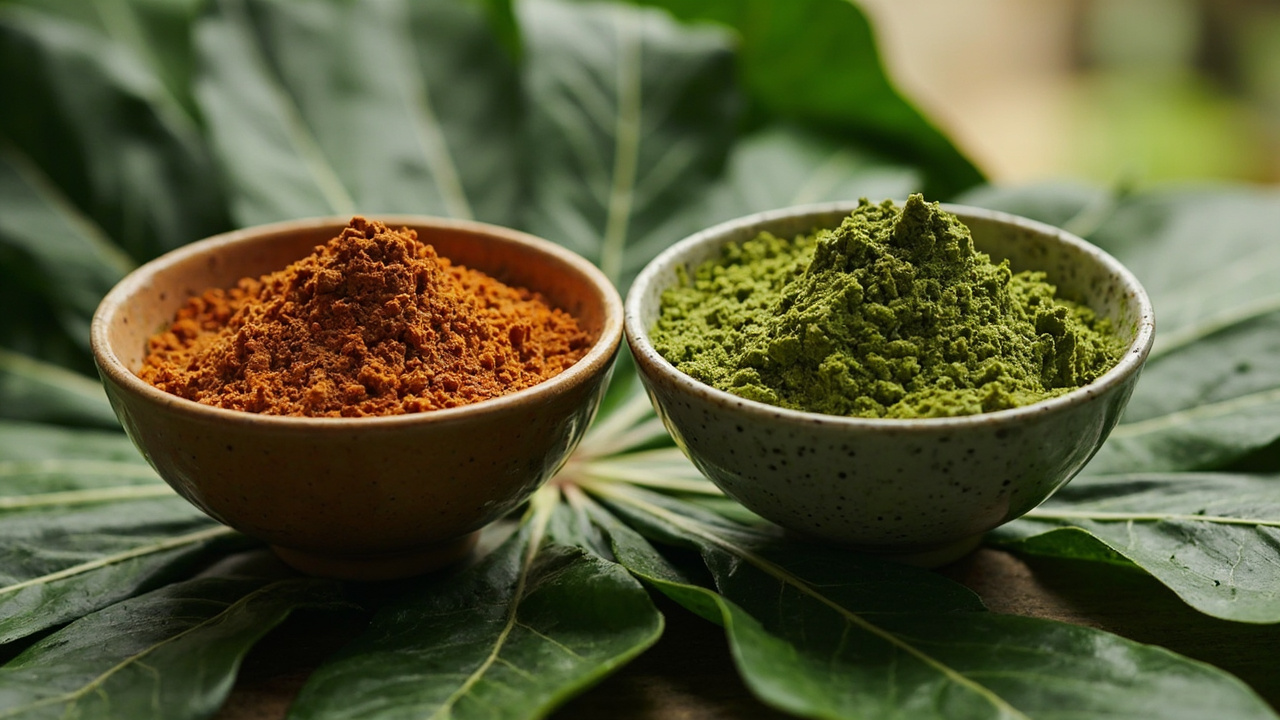
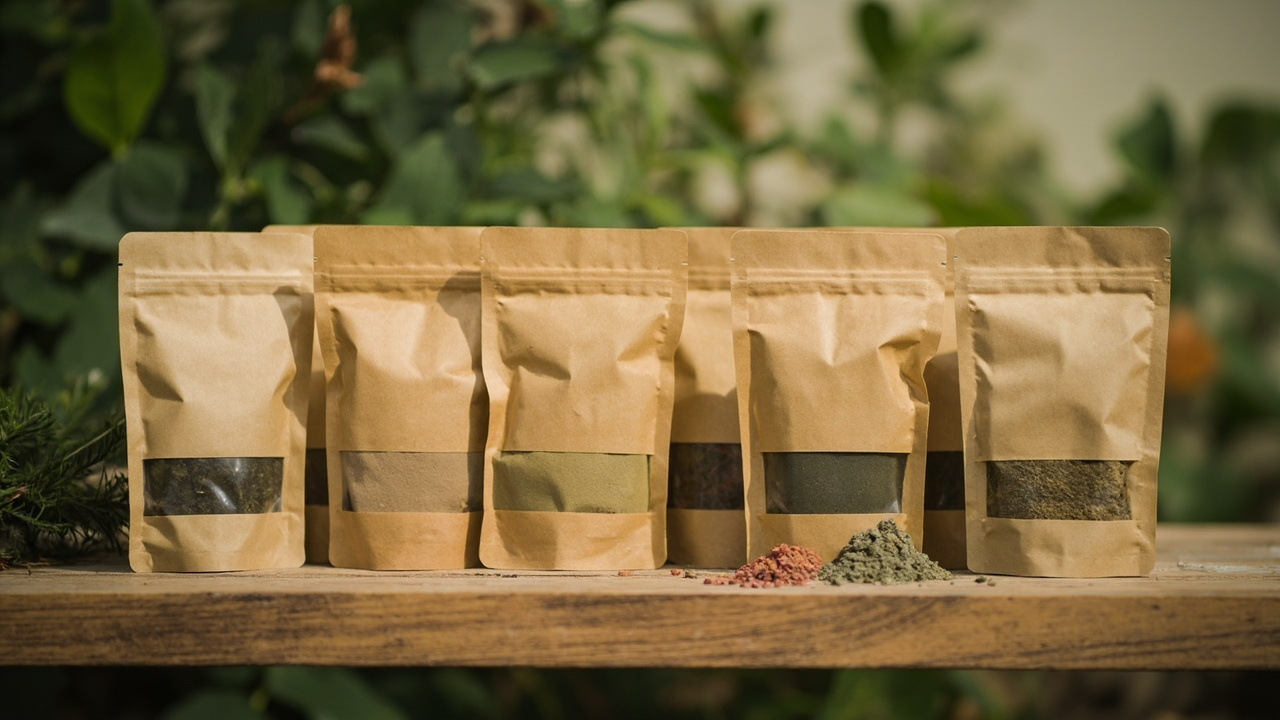
- Color: Red Bali should be rich, rust-red to deep burgundy. Green Bali should be vibrant forest green. Dull, grey, or brown powders indicate old or poorly dried product.
- Smell: Fresh, earthy, slightly grassy. Musty or stale aromas are red flags.
- Fineness: Well-milled powder mixes easily in liquids without grittiness.
- Third-party lab testing: Non-negotiable. If the vendor won’t show you lab results, buy elsewhere.
Why Buy Bali Kratom From Kratom Active
- Lab-tested by a Canadian third-party lab for every batch
- Sourced from a single, verified grower in Southeast Asia (no bulk remixing)
- Free shipping Canada-wide on orders over $99 CAD
- Same-day shipping on orders placed before 11 AM PST
- Payment via Interac e-Transfer, Bitcoin, or Litecoin
Where to Buy Bali Kratom in Canada
We ship Bali kratom coast to coast. Vancouver, Calgary, Edmonton, Toronto, Ottawa, Montreal, Winnipeg, and yes, every other province and territory too. Direct to your door. Want local pickup or delivery in a major city? Check our Locations hub. As the American Kratom Association notes, “Kratom is a plant that has been used safely for centuries in Southeast Asia”.
Bali kratom canada questions
Is Bali kratom the strongest?
Nope. Red Maeng Da generally hits harder. Bali’s claim to fame is smoothness and a longer ride, not raw punch.
How much Bali kratom should a beginner take?
Start at 2 grams. Wait 45 minutes. Redose 0.5–1 g if needed. Don’t exceed 4 g on your first try.
Which is better for sleep, Red Bali or Red Maeng Da?
Red Bali. It’s the smoother, more reliable sleep strain. Red Maeng Da is stronger, true, but at higher doses it can get stimulating and that wrecks your sleep.
Does Bali kratom make you tired during the day?
At low doses, 2–3 g, Red Bali isn’t heavily sedating. And Green Bali? Almost never sedating in the daytime.
Ready to Try Bali Kratom?
Shop Super Red Bali or Green Bali. Browse the full shop. Free Canada-wide shipping over $99 CAD.
How Bali kratom is actually graded and why it matters for your dose
Most retail kratom stamped “Bali” gets sorted three ways: leaf maturity, drying method, post-harvest fermentation. None of that lands on a product page. But it’s exactly why two bags of Red Bali, same dose, two different vendors, can feel like totally different strains. Wild, right?
Younger leaves, picked before they fully mature, lean a touch more stimulating, even inside the red category. Fully mature leaves dried under partial UV? Those develop the warmer, heavier vibe people picture when they hear “classic Red Bali.” Then there’s fermented Bali, sometimes labelled bentuangie. It pushes the relaxation even deeper. Save that one for evenings. None of these is “better.” They’re just tools for different jobs.
Green Bali plays by its own rules. It skips the heavy fermentation and gets dried more carefully to protect that lighter alkaloid balance. The payoff? Energetic folks can dose three grams in the morning and never feel tugged toward the couch, while sensitive users often find two grams carries a full afternoon of focused work. Same strain. Different bodies.
Comparing two bags? Look at the powder first. Fresh, well-processed Red Bali is a rich brick red, almost cinnamon. Dull, brown, or grey usually means oxidation, age, or sloppy drying. Fresh Green Bali is vivid forest green with a faint grassy smell. Musty, sour, stale? Send it back. Don’t consume it. Quality shows up in what you can see and smell, long before you ever measure a dose.
Where Bali fits in a weekly rotation alongside Maeng Da and Malay
If you want a kratom routine that doesn’t lean too hard on any one strain, Bali has a job. It’s the gentle anchor, not the star. People who try to live on Bali alone? The effects usually go flat inside a month. But weave Bali into a rotation with Maeng Da and Malay, and folks stay happy for years. Big difference.
Here’s a sample week. Red Bali on Sunday and Wednesday evenings for relaxation and sleep support. Green Bali on Saturday afternoon when the load is lighter. Red Maeng Da on Tuesday and Friday for stronger pain relief or an evening wind-down. Green Maeng Da on Monday morning for sharp focus. Green Malay on Thursday for long, sustained energy. And two rest days each week. Back to back, ideally.
Why does it work? Each strain taps the receptors a little differently. Bali leans into the smoother body effects. Maeng Da pushes harder on pain relief and energy. Malay stretches duration and mood. Rotating keeps any single receptor pattern from running the show, and that pattern is exactly what builds tolerance fastest. Those two rest days? They add months to the useful life of the whole rotation.
New to all this? Start with Bali, not Maeng Da. Usually the smart move. Bali forgives you across the dose range, it’s less likely to turn your stomach, and it gives clear effects at modest amounts. Give it two or three weeks. Then bring in other strains, widen the rotation, and dodge the early-onset tolerance that ambushes beginners who sprinted straight to the strongest product on day one.
Educational only. Not medical advice. Consult a healthcare professional before starting kratom.
Looking to buy kratom online in Canada? Kratom Active ships lab-tested red, green, and white vein strains across the country, with tracking and free shipping on qualifying orders.
Kratom is not authorized by Health Canada as a natural health product, and we make no medical claims about it. Nothing here is medical advice or a recommended dose. What we can tell you is where our leaf comes from and what each batch tested at. If you take medication or have a health condition, talk to a healthcare professional before using kratom.