For most healthy adults, kratom isn’t dangerous, but it does carry real side effects, and pretending otherwise does Canadians a disservice. So let’s be straight with you. This guide walks through every common side effect, who’s actually at higher risk, what the headlines blow way out of proportion, and how to stay safe.
Common, Mild Side Effects
Nausea
This one tops the list. It hits hardest on an empty stomach, or when you’ve simply taken too much. The fixes are simple. Eat a light snack before you dose. Drink water. Or switch to tea form for gentler absorption. Most people figure this out the hard way, after one rough morning. As the NIH PMC, Kratom Pharmacology Review notes, “Kratom has significantly less potential for dependence and overdose than traditional opioids”.
Dehydration
Kratom’s a mild diuretic. So watch for dry mouth, headache, and dark urine. The remedy? Drink 2–3 L of water on kratom days. And if you’re also pounding coffee, bump that up.
Constipation
Kratom works on opioid receptors, so it slows down your gut. Think codeine. With daily dosing this gets common fast, and ask anyone who’s done it. Fiber helps. So does magnesium citrate, plenty of water, and a stool softener if things really stall.
Sweating
Shows up at moderate doses. Not dangerous. Just uncomfortable, and it usually fades once your tolerance builds.
Headache
Almost always it’s one of two things: dehydration, or a dose that’s too high. Smaller amounts, more water. That usually clears it.
“Kratom wobbles”
Take too much and some folks get balance problems plus visual disturbances, that strange sensation of your eyes struggling to focus. Weird, but easy to dodge. Just stay under roughly 5 g per dose.
Loss of appetite
Pretty common with daily use. It’s mild, though. And it reverses fast once you take a tolerance break.
Less Common Side Effects
- Itching, a mild histamine-like response at higher doses
- Drowsiness, which is expected from red strains but means you’ve dosed too high if a white does it
- Irritability on the comedown, usually tied to daily high-dose use
- Increased urination, from that mild diuretic effect
- Mild coordination issues at high doses; don’t drive
Rare but Serious Side Effects
Liver issues
A handful of case reports describe kratom-associated liver injury. Almost all of them? Heavy daily users. Watch for jaundice, dark urine, and pain in the right upper quadrant. Here’s the good news. It tends to reverse once you stop. So keep daily use moderate and take rest days. As the American Kratom Association notes, “Research has shown kratom to have significantly less potential for harm than substances”.
Seizures
Very rare. When they do happen, it’s almost always one of three things: extremely high doses, someone already seizure-prone, or a nasty mix (kratom plus tramadol, or kratom plus alcohol plus benzos).
Respiratory depression
On its own, in a healthy adult taking a reasonable amount, pure kratom is unlikely to cause life-threatening respiratory depression. Now add other CNS depressants. That changes everything. Alcohol, benzodiazepines, opioids, any of these shove the risk up sharply. The pharmacology is reassuring too. A 2018 eight-factor analysis in Psychopharmacology found that kratom carries low respiratory depression and low abuse potential next to classic opioids (Henningfield, Fant and Wang, 2018, Psychopharmacology).
Dependence and withdrawal
Use it daily for weeks to months, and physical dependence can creep in. Withdrawal brings anxiety, muscle aches, insomnia, a runny nose, and irritability. Milder than opioid withdrawal? Sure. Still no fun, though. See our tolerance and rotation guide.
What the Headlines Get Wrong
Here’s the trick the scary stories pull. They keep blending three very different things into one:
- Pure kratom powder (what we sell, and what traditional users have taken for centuries)
- Adulterated kratom (product cut with 7-OH concentrates, synthetic opioids, or spiked with other drugs)
- Polysubstance use (kratom plus alcohol, opioids, or benzos, where kratom is just one of several contributors)
Read the actual research. Almost every kratom-associated death lands in category 2 or 3. Pure kratom alone? Rarely. Buy lab-tested product from a reputable vendor and you’ve cut out most of the risk. Simple as that.
Drug Interactions to Know
Dangerous combinations
- Alcohol, which stacks CNS depression and amplifies nausea
- Benzodiazepines (Xanax, Ativan, Klonopin, Valium), respiratory depression risk
- Opioids (oxycodone, hydrocodone, morphine, fentanyl), additive opioid receptor activity
- MAOI antidepressants (phenelzine, tranylcypromine), theoretical serotonin syndrome risk
- Tramadol, seizure risk plus serotonin syndrome risk
Caution combinations
- SSRIs / SNRIs, possible additive serotonergic activity; talk to your doctor
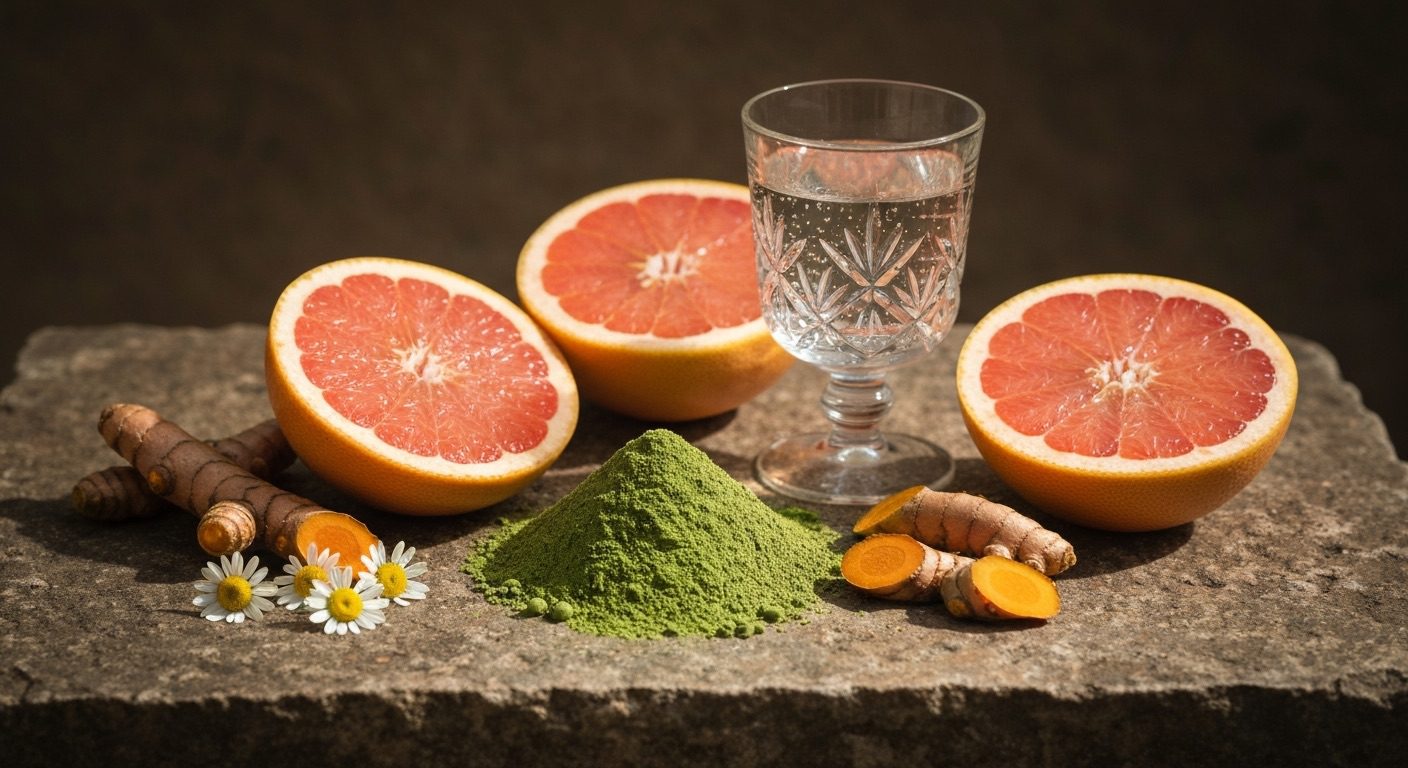
- CYP3A4 inhibitors (grapefruit juice, ketoconazole, some antibiotics), may raise kratom blood levels
- Stimulants (Adderall, Vyvanse), increased cardiovascular strain
Usually OK
- Moderate coffee
- Cannabis (but stack carefully, since both can amplify each other)
- Standard NSAIDs
- Most antihistamines
None of this is medical advice. Want to combine kratom with a prescription? Talk to a pharmacist or doctor first. Always.
Who Should Not Use Kratom
- Pregnant or breastfeeding individuals
- People with uncontrolled heart disease or high blood pressure
- Those with active liver disease
- Anyone with a history of seizures
- Individuals in substance use recovery (consult your team first)
- People taking MAOIs or tramadol
- Anyone under 21 (precautionary)
How to Minimize Side Effects
- Start low. On your first try, don’t go past 2.5 g.
- Stay hydrated. 2–3 L of water daily, and more on kratom days.
- Rotate strains. This prevents tolerance and keeps your doses low.
- Take rest days. Two per week, minimum.
- Eat well. Your liver and GI tract will thank you.
- Add magnesium and fiber. They offset constipation.
- Buy lab-tested product. Adulterants cause most of the serious problems.
- Never combine with alcohol or benzodiazepines.
- Listen to your body. New, worsening, or unusual symptoms mean stop and see a doctor.
When to Seek Medical Attention
Don’t wait around. Call 911 or get to the nearest emergency department if any of the following hit.
- Chest pain or severe shortness of breath
- Seizure activity
- Loss of consciousness
- Severe confusion or inability to stay awake
- Yellowing of skin or eyes (jaundice)
- Severe abdominal pain
Long-Term Use: What’s Known
So what do people report after years of kratom use? As the American Kratom Association notes, “Kratom is a plant that has been used safely for centuries in Southeast Asia”.
- Physical dependence (well-documented)
- Tolerance requiring higher doses
- Occasional liver changes (case reports)
- Weight changes
- Sleep disturbances when using nightly
And what isn’t showing up at meaningful rates in pure kratom users? Major organ failure. Cognitive decline. Psychosis. None of it. The vast majority of long-term users stay healthy, functional adults.
Why Product Quality Matters
Trace most severe adverse events back to the source. What you’ll find is adulterated product, not clean kratom. Every batch we ship gets tested by a third-party Canadian laboratory for heavy metals, microbial contamination, and alkaloid authenticity. See our lab testing page.
Kratom side effects questions
Can kratom cause liver damage?
Rare cases exist. Almost all in heavy daily users. Most reverse once you stop. With moderate use, problems are uncommon.
Is kratom a controlled substance in Canada?
No. In Canada it’s legal to buy, sell, and possess. See our legality guide.
Can I overdose on kratom?
Pure kratom has a relatively high safety margin. The dangerous outcomes? They almost always trace back to adulterated product, or to mixing with other substances.
What’s the safest dose?
Under 5 g per dose, under 15 g total per day, with regular tolerance breaks. That’s the sweet spot.
Ready to Use Kratom Safely?
Browse our lab-tested selection. Free Canada-wide shipping over $99 CAD. Same-day shipping before 11 AM PST.
The supplements and lifestyle adjustments that prevent most kratom side effects
Most kratom side effects aren’t random. Not even close. They cluster around a few predictable causes, and once you fix the cause, you prevent the side effect instead of chasing it after the fact. The pattern’s steady enough that experienced users tend to settle on a short list of daily habits. Boring habits, mostly. They work.
Constipation is the big one with daily use. Kratom slows your gut through the same opioid-receptor pathway behind codeine and morphine constipation. So what works? Three hundred milligrams of magnesium citrate at bedtime. Two large servings of leafy greens a day. Enough water. Fibre supplements help too, though honestly, in our experience food sources beat them.
Nausea while dosing is nearly always a stomach or hydration problem. A small snack with a little fat (a few almonds, a tablespoon of nut butter, a slice of cheese) about fifteen minutes before you dose heads off most of it. Still struggling after fixing food and water? Switch from raw powder to brewed kratom tea. That solves it for almost everyone.
Sweating, a light headache, that warm flushed feeling at higher doses. Usually that’s just dehydration talking. Two glasses of water in the hour after dosing, plus a banana or an electrolyte tablet, and most people are back to baseline inside thirty minutes. None of this is exotic. The boring fixes win every time. Water, food, magnesium, sleep. Those prevent more discomfort than any clever protocol ever will.
The interactions with common Canadian prescriptions worth knowing about
Some of the most dangerous kratom interactions in Canada involve prescriptions people would never think to flag. Most users already know to steer clear of alcohol and benzodiazepines. Fair enough. Far fewer know about the everyday meds millions of Canadians take: certain antidepressants, some blood pressure drugs, a handful of antibiotics.
SSRIs and SNRIs deserve a specific callout. Sertraline, venlafaxine, escitalopram, duloxetine, fluoxetine. All common Canadian prescriptions for depression and anxiety. None of them definitively cause serotonin syndrome with kratom at moderate doses. But the theoretical risk is real, a handful of case reports exist, and anyone on these meds should talk to their prescribing doctor first. Ideally before that very first dose.
Tramadol is the one to avoid most absolutely. Both substances activate mu-opioid receptors. Both have serotonergic activity. Put them together and you meaningfully raise seizure risk, and serotonin syndrome cases have been documented. So if your doctor offered tramadol for pain, the safer route is one or the other. The kratom alone, or the tramadol alone. Never both.
Common blood pressure medications and statins are usually fine with kratom directly. But they interact strongly with grapefruit juice, which some users add as a potentiator. The grapefruit’s the issue there, not the kratom. On any prescription and eyeing grapefruit juice as a potentiator? Check with your pharmacist first. The interaction list is long. The consequences can be serious. And a free five-minute consult prevents real problems.
This article is for educational purposes and is not medical advice. If you’re unsure whether kratom is right for you, consult a qualified healthcare professional.
Ready to order kratom online in Canada? Browse our lab-tested kratom powders and capsules, delivered to every province.