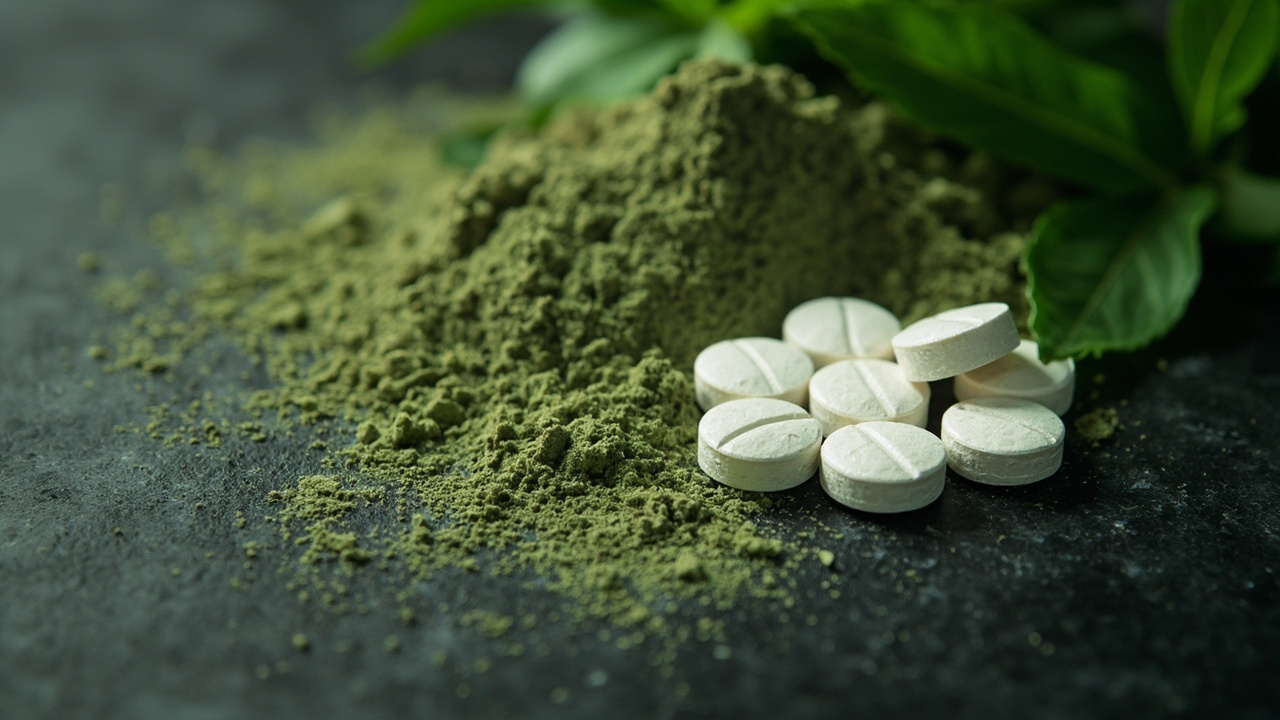
Buying kratom in Canada is easier than it’s ever been, and that’s exactly why it pays to shop with a bit of care. The market has grown fast, dozens of vendors compete for your order, and the quality gap between the good ones and the careless ones is wider than most first-time buyers realise. This is a plain-spoken buyer’s guide, written for Canadians who want to understand the landscape before they spend a dollar: what the legal status actually is, how to read a lab report, what separates a trustworthy vendor from a fly-by-night one, and how the different formats and payment options compare.
Kratom is the dried, powdered leaf of Mitragyna speciosa, a tropical tree in the coffee family that grows across Southeast Asia. You will also see the name written as kratum, which is a common misspelling rather than a different plant. Its character comes from naturally occurring alkaloids, chiefly mitragynine and 7-hydroxymitragynine. None of what follows is medical advice, and nothing here is a treatment plan. It’s consumer education, plain and simple, aimed at helping you choose wisely and buy from a source you can actually trust.
What this guide covers
- Is kratom legal in Canada? — the real regulatory status, minus the myths
- What lab testing to look for — COAs, heavy metals, microbes, and alkaloid content
- How to choose a trustworthy vendor — the buyer’s checklist
- Kratom for beginners — first-order tips and sample packs
- Understanding formats — powder, capsules, and extracts compared
- Paying for kratom in Canada — Interac e-Transfer and Bitcoin
- Frequently asked questions
Is Kratom Legal in Canada?
Short version: yes, kratom is legal to own and buy in Canada, but it sits in an unusual regulatory space that’s worth understanding. Kratom is not listed under Canada’s Controlled Drugs and Substances Act. It isn’t a controlled substance, it isn’t a narcotic, and there are no restrictions on personal possession anywhere in the country. No province has enacted its own ban. So the blunt worry a lot of people arrive with — that ordering kratom might be illegal — simply isn’t the case.
The nuance is on the regulatory side. Health Canada has not authorized any kratom product for human consumption. No kratom product carries a Natural Product Number (NPN), which is the licence Health Canada issues to approved natural health products. Because of that, a vendor cannot legally market or label kratom for ingestion, make health claims about it, or sell it as a natural health product. Instead, Canadian retailers sell kratom as a botanical product, typically labelled “not for human consumption” or for uses like incense, research, or aromatherapy. That labelling is a legal requirement of the framework, not a wink or a loophole — it’s how an unauthorized botanical is allowed to be sold at all.
What does this mean for you as a buyer? A few practical things. Because kratom is a botanical rather than an approved health product, quality is not guaranteed by any government body, which puts the burden of verifying quality on the vendor and, ultimately, on you. That’s the whole reason lab testing and vendor transparency matter so much, and it’s why this guide spends so long on them. It also means you should treat any vendor making bold health or medical claims with suspicion, because those claims aren’t just unproven, they’re outside what’s legally allowed for an unauthorized product in Canada.
On importation: the Canada Border Services Agency has, on occasion, flagged or held unauthorized kratom crossing the border, which is one more reason buying from a domestic Canadian vendor is the smoother path. A domestic order ships within the country and doesn’t clear customs, so there’s no border risk and delivery is faster. To see how a Canadian-based operation handles this, the Kratom Active homepage lays out how orders ship across Canada.
What Lab Testing to Look For
Here’s the single most important habit in this entire guide: buy kratom that has been lab tested, and buy it from a vendor willing to show you the results. Because kratom isn’t regulated for consumption in Canada, independent laboratory testing is the only real proof of what’s actually in the bag. Quality varies enormously depending on where the leaf was grown, how it was harvested, and how it was handled after drying, and you cannot tell any of that by looking at a photo of green powder.
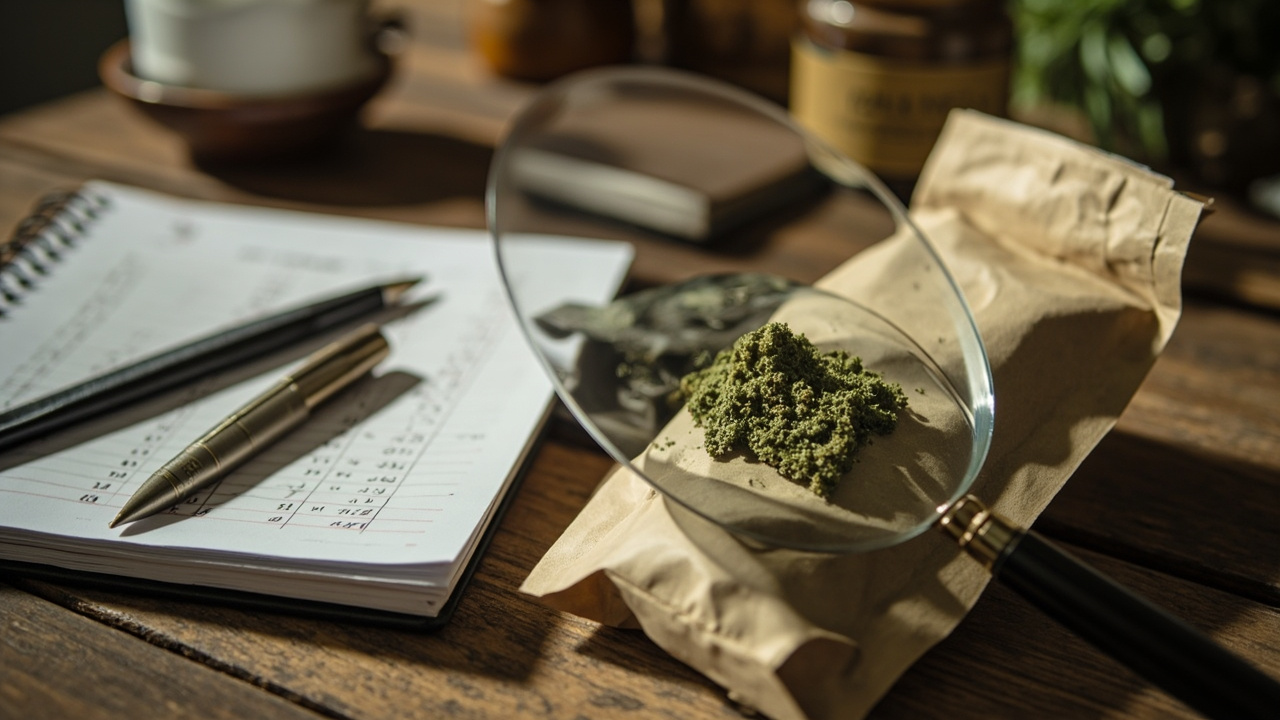
A proper test is documented in a Certificate of Analysis, usually shortened to COA. This is a report from an accredited third-party lab that breaks down exactly what a given batch contains. A trustworthy vendor makes COAs available — on the product page, on request, or via a batch number you can look up. If a vendor can’t or won’t produce one, that tells you what you need to know. Move on.
What a good COA screens for
A complete testing panel covers a few distinct things, and each one matters for a different reason:
- Alkaloid content. Labs use high-performance liquid chromatography (HPLC) to measure the percentage of mitragynine and 7-hydroxymitragynine in the sample. This is the potency measurement — it tells you the batch is genuinely active leaf and not weak, over-aged, or cut with filler.
- Heavy metals. Because kratom is a plant that draws from its soil, testing screens for contaminants like lead, arsenic, cadmium, and mercury. This is one of the most important safety checks, and it’s non-negotiable in a quality product.
- Microbial contamination. A good panel checks for harmful microbes such as salmonella, E. coli, yeast, and mould, which can appear when leaf is dried or stored poorly in a humid climate.
- Foreign matter and adulterants. Testing confirms the product is pure leaf and hasn’t been bulked out with other plant material or additives.
How do you read one? You don’t need a chemistry degree. Check three things: that the batch or lot number on the COA matches the product you’re buying, that the alkaloid percentage is reported (mitragynine is commonly somewhere in the low single digits by weight for quality leaf), and that the contaminant sections say “pass” or show results under the safe limits. A recent test date and the name of a real, accredited laboratory round it out. A vendor that tests every batch, rather than one token sample from a year ago, is the one worth your money.
How to Choose a Trustworthy Vendor
This is the heart of the guide. Once you understand legality and lab testing, choosing a vendor becomes a matter of running down a checklist and seeing who actually clears it. Plenty of sites sell kratom; far fewer do it properly. Here’s what genuinely separates a vendor you can rely on from one you’ll regret.
Published, batch-specific lab results
We covered why testing matters, so this is the first filter: does the vendor publish COAs tied to actual batches, and are they recent? Transparency here is the clearest signal of a serious operation. A vendor that hides its testing, or waves vaguely at “lab tested” without ever showing a document, hasn’t earned trust yet.
Canadian fulfilment and fast shipping
A vendor that stocks and ships from within Canada is a meaningful advantage. Your order avoids customs entirely, arrives in days rather than weeks, and there’s no risk of a border hold. Domestic fulfilment also tends to mean fresher product, because inventory turns over faster. When you’re comparing options, look for clear shipping timelines and a physical Canadian presence.
Transparent sourcing
Good vendors are open about where their leaf comes from and how it’s handled. A company that can speak to its regions, its harvesting, and its supply relationships is showing you it actually knows its product. Vagueness on sourcing usually travels with vagueness on quality.
Real reviews and reputation
Look for a track record. Independent reviews, an active customer base, and a consistent reputation across time are hard to fake. Be a little skeptical of a brand-new site with nothing but glowing testimonials on its own pages and no footprint anywhere else.
Clear policies and secure payment
Straightforward shipping, returns, and contact information signal a business that plans to be around next year, and so does a secure checkout with sensible payment options. A trustworthy vendor makes it easy to reach a human and easy to understand what happens if something goes wrong with your order.
Put simply, the vendor you want is the one that tests every batch, ships from within Canada, is honest about sourcing, has a real reputation, and keeps its policies and payment clean. That’s the standard we hold ourselves to — you can see the current lineup of lab-tested kratom on our shop page, or start at the homepage for an overview of how everything ships across Canada. Whether you buy from us or someone else, run the checklist first.
Kratom for Beginners
If kratom is new to you, the smartest approach is an unhurried one. You’re exploring a botanical that affects everyone a little differently, so the goal of a first order isn’t to stock up — it’s to learn how you respond. A few principles make that first experience a good one.
Start small and start simple. Order a modest amount of a single, balanced strain rather than a big bag of something intense. You can always reorder what you like. Buying in bulk before you know your preferences is the classic beginner’s mistake. For anything to do with amounts and how to take it, we keep this guide general on purpose and point you to our dedicated kratom dosage guide, which walks through general serving ranges, timing, and the different ways to take it — the golden rule throughout being start low and go slow.
Sample packs are your friend. Many good vendors offer variety or sample packs that bundle several strains in small quantities. For a beginner this is ideal: you get to compare a red, a green, and a white side by side without committing to a large amount of any one, and you learn what suits you before you buy in earnest. It’s the lowest-risk way to find your footing.
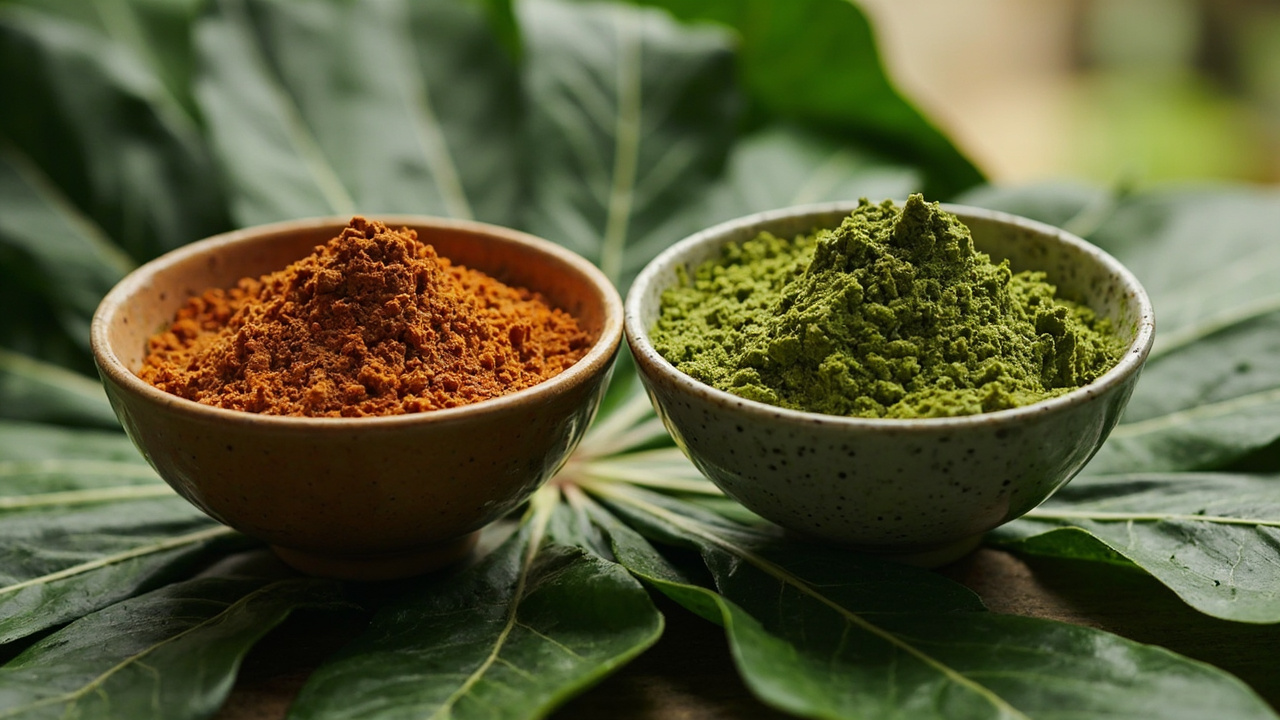
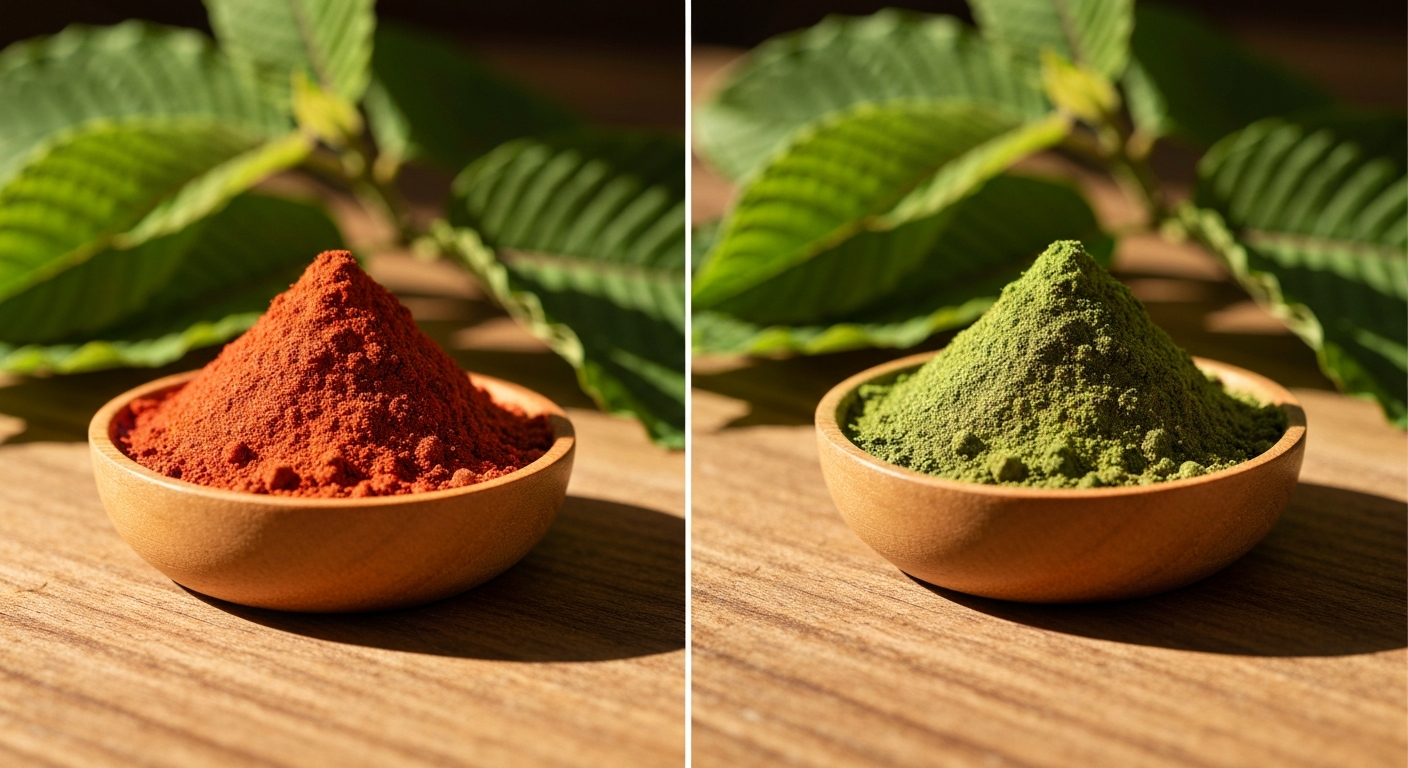
Understand vein colours before you choose. Kratom is sold by strain, and strains are usually described by vein colour — red, green, white, and blends — each with a slightly different character. Rather than reprint all of that here, we’ve built a full companion resource: see the Canadian kratom strains guide for how the colours and origins compare and which tend to suit which purpose. A little reading there will make your first order far less of a guess.
Finally, buy your first kratom from a vendor that lab tests, for all the reasons in the sections above. A beginner has no baseline to judge quality against, so starting with a verified, transparent source removes one big variable while you’re still learning the rest.
Understanding Formats: Powder, Capsules & Extracts
Kratom comes in several formats, and the one you choose shapes cost, convenience, and how the product behaves. There’s no single best option, just the one that fits how you plan to use it. Here’s the honest comparison.
Powder
Loose powder is the traditional format and the most economical. It’s simply dried leaf ground fine, and it gives you the most control — you can measure exactly what you want and adjust freely. The trade-offs are that it takes a little preparation and the taste is famously bitter. For most regular users, powder is the everyday staple because it’s the best value and the most flexible. A small kitchen scale that reads to a tenth of a gram is the one accessory genuinely worth owning if you go this route.
Capsules
Capsules are pre-measured powder in a gelatin or plant-based shell, usually around half a gram each. They trade a bit of value for a lot of convenience: no scale, no bitter taste, no mess, and they’re discreet and easy to travel with. The downsides are a higher cost per gram, since you’re paying for the packaging and labour, and a slightly slower onset while the shell dissolves. For a fixed routine they’re excellent; for fine-tuning, loose powder gives you more control.
Extracts
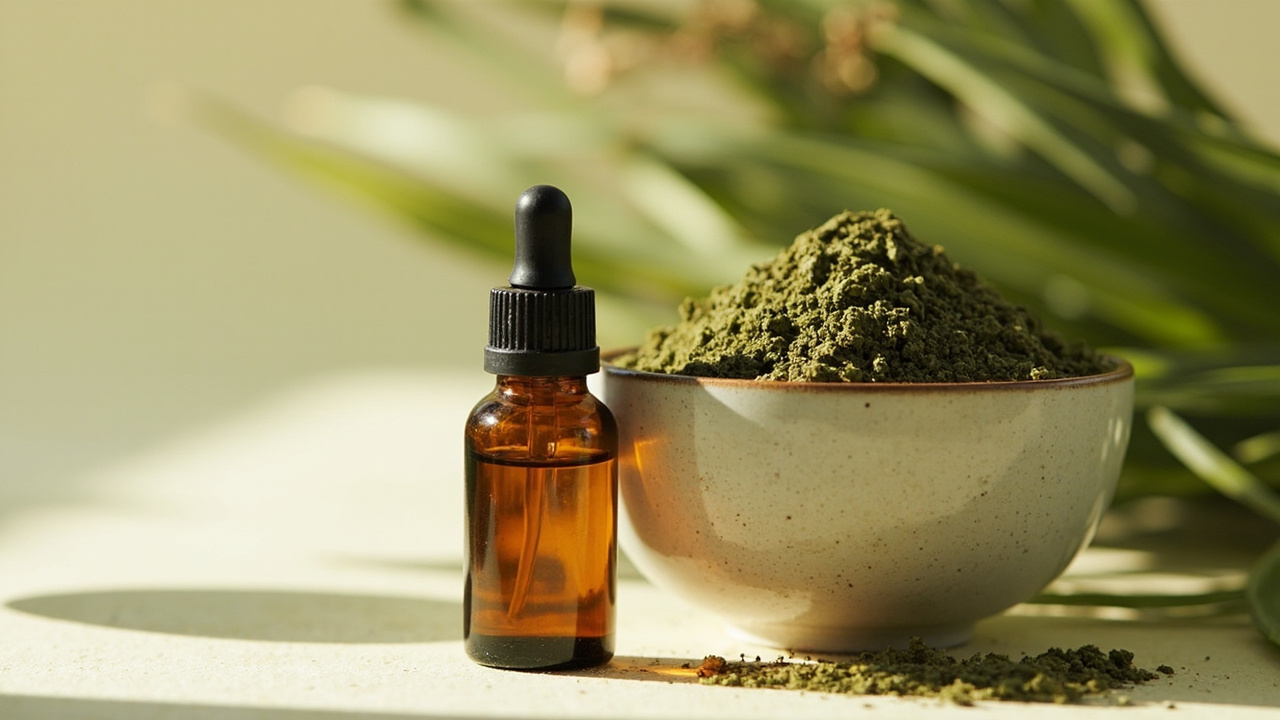
Kratom extract is concentrated. The alkaloids are pulled from the leaf using water, alcohol, or another solvent and condensed into a far more potent product, so you need much less of it than standard powder to feel a comparable effect. Extracts come as liquid tinctures, concentrated powders, and resins. The appeal is potency and small serving sizes; the catch is that potency demands respect. Because an extract can be many times stronger gram-for-gram than raw leaf, it’s very easy to overshoot, and it’s not where beginners should start. If you use extracts, measure carefully and treat a little as a lot.
Which format pairs with which strain is largely down to preference, and strain choice is its own topic — our strains guide covers that in full. Many people end up keeping more than one format on hand: powder for value and control at home, capsules for convenience on the go.
Paying for Kratom in Canada
Because kratom sits in that unauthorized-botanical space, payment can be slightly less plug-and-play than an ordinary online purchase, and some banks occasionally flag or decline kratom card transactions. Canadian vendors have adapted, and the two most common options are Interac e-Transfer and cryptocurrency. Both are straightforward once you’ve done them once.
Interac e-Transfer
For most Canadians, Interac e-Transfer is the familiar, no-fuss option. It’s the same system you’d use to send money to a friend, built right into nearly every Canadian bank’s app. At checkout you send the payment to the vendor’s provided email address, add any reference the vendor asks for, and once it’s confirmed your order is on its way. There’s nothing new to sign up for, the funds move within your existing banking, and there are no card networks in the loop to decline the purchase. It’s the default choice for a reason.
Bitcoin and other cryptocurrency
Some vendors, ourselves included, also accept Bitcoin and other cryptocurrencies like Litecoin. Crypto appeals to buyers for a few reasons: it’s private, since the purchase doesn’t appear on a bank or credit card statement; it’s quick, with confirmations typically landing in minutes; and vendors often pass along a small discount because processing fees are lower. It also sidesteps the card-decline issue entirely, because the network doesn’t care what you’re buying.
If you’ve never used it, the process is simpler than it sounds. You buy Bitcoin or Litecoin from a regulated Canadian exchange — well-known options include Shakepay, Newton, Bitbuy, and Kraken — funding your account by Interac e-Transfer. Identity verification (a photo ID and a selfie) is a legal requirement under Canadian FINTRAC rules, so it isn’t optional, but it only takes a few minutes. Once you hold some crypto, you can pay directly from the exchange, or move it to a personal wallet first for more privacy and control. At checkout the vendor shows you an address and an amount; you send it, wait for the confirmation, and you’re done. For a first-timer, e-Transfer is the gentlest path, and crypto is worth learning if privacy or the occasional discount appeals to you.
Frequently Asked Questions
Is kratom legal in Canada?
Yes. Kratom is not a controlled substance under Canada’s Controlled Drugs and Substances Act, and there are no restrictions on personal possession. What it lacks is Health Canada authorization for human consumption — no kratom product has a Natural Product Number — so vendors sell it as a botanical labelled “not for human consumption.” Legal to buy and own, but not an approved health product.
Why does lab testing matter so much?
Because kratom isn’t regulated for consumption, no government body verifies its quality, so an independent Certificate of Analysis is your only real proof of what’s in the bag. A good COA confirms the alkaloid content and screens for heavy metals, microbes, and adulterants. If a vendor won’t show you recent, batch-specific testing, that’s your cue to shop elsewhere.
What makes a kratom vendor trustworthy?
Run the checklist: published, batch-specific lab results; fulfilment and shipping from within Canada; transparent sourcing; a genuine track record of reviews; and clear policies with secure payment. A vendor that clears all five is one you can rely on. Vagueness on any of them — especially testing — is a warning sign.
Should a beginner buy in bulk?
No. Start with a small amount of a single balanced strain, or better yet a sample pack that lets you compare a few strains in small quantities. You’re learning how you respond, so buying a large bag before you know your preferences is the common first-timer mistake. Reorder what you like once you know.
How should I pay for kratom in Canada?
The two standard options are Interac e-Transfer and cryptocurrency. E-Transfer is the familiar, no-setup choice built into your bank’s app. Bitcoin or Litecoin add privacy, speed, and often a small discount, and they avoid the occasional card decline, at the cost of a little setup on a Canadian crypto exchange first.
Will my kratom order get held at the border?
If you buy from a Canadian-based vendor, there’s no border to cross — the order ships domestically and doesn’t clear customs. Cross-border imports of unauthorized kratom have sometimes been flagged by the Canada Border Services Agency, which is one more reason buying domestically is the smoother, faster route.
Where to Start
The throughline of this whole guide is simple: because kratom is an unauthorized botanical in Canada, the quality of your experience rests almost entirely on the vendor you choose. Buy from a source that tests every batch, ships from within Canada, is honest about where its leaf comes from, and makes paying easy. When you’re ready to put the checklist to work, browse our range of lab-tested powders, capsules, and more on the shop page, or head to the homepage to see what ships across the country. And if you want to go deeper first, our strains guide and dosage guide are the natural next reads. Shop informed, and start with a source you can trust.

Prefer delivery? You can shop lab-tested kratom powder — every batch third-party lab tested, same-day dispatch from Vancouver before 11:00 AM PST, and free shipping across Canada on orders over $99.