Something new has been showing up in smoke shops and gas stations across North America over the past two years. Small tablets, gummies, and shots labelled 7-OH or 7-hydroxymitragynine, often sitting right beside the kratom powder and marketed as if they’re the same thing. They’re not. The gap between whole-leaf kratom and concentrated 7-OH products is one of the most important distinctions in this entire space, and most buyers have never had it explained. Let’s fix that.
What 7-OH Actually Is
7-hydroxymitragynine, shortened to 7-OH, is one of the dozens of alkaloids found in kratom, the leaf of Mitragyna speciosa, a tree native to Southeast Asia. In the natural kratom plant it’s a minor player. Fresh kratom leaf contains mitragynine as its dominant alkaloid, typically 1 to 2 percent by weight, while 7-OH occurs only in trace amounts, usually well under 0.05 percent. Some 7-OH forms after harvest as mitragynine slowly oxidizes during drying, which is partly why aged and fermented strains feel different from fresh whites.
Here’s why that tiny quantity matters so much. At the opioid receptor, 7-OH is dramatically more potent than mitragynine. Research on the antinociceptive effect of 7-hydroxymitragynine in mice found it several times stronger than morphine on a per-milligram basis. Inside the body, mitragynine also converts partially into 7-OH and further into mitragynine pseudoindoxyl, and scientists now believe much of kratom’s opioid-like activity runs through these metabolites rather than mitragynine itself.
So in the leaf, 7-OH is a trace compound wrapped in a bundle of gentler alkaloids that seem to buffer each other. Isolated and concentrated, it’s a different animal entirely.
The New Wave of Concentrated 7-OH Products
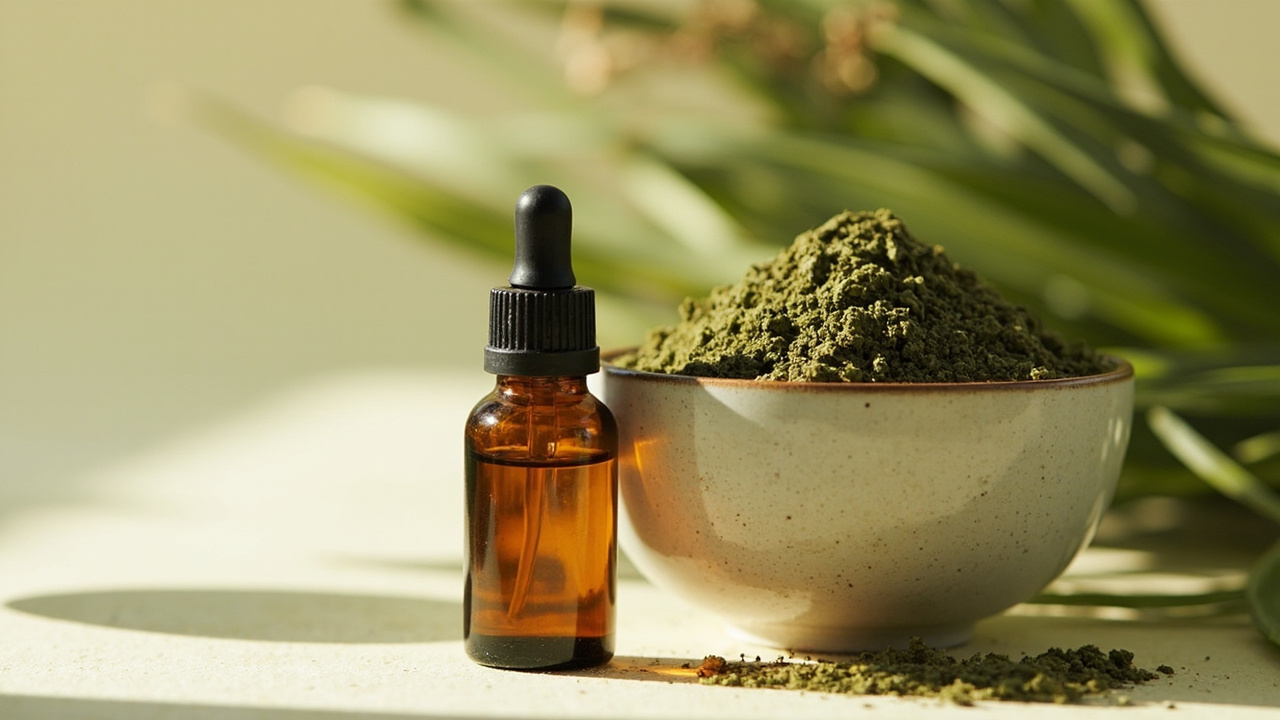
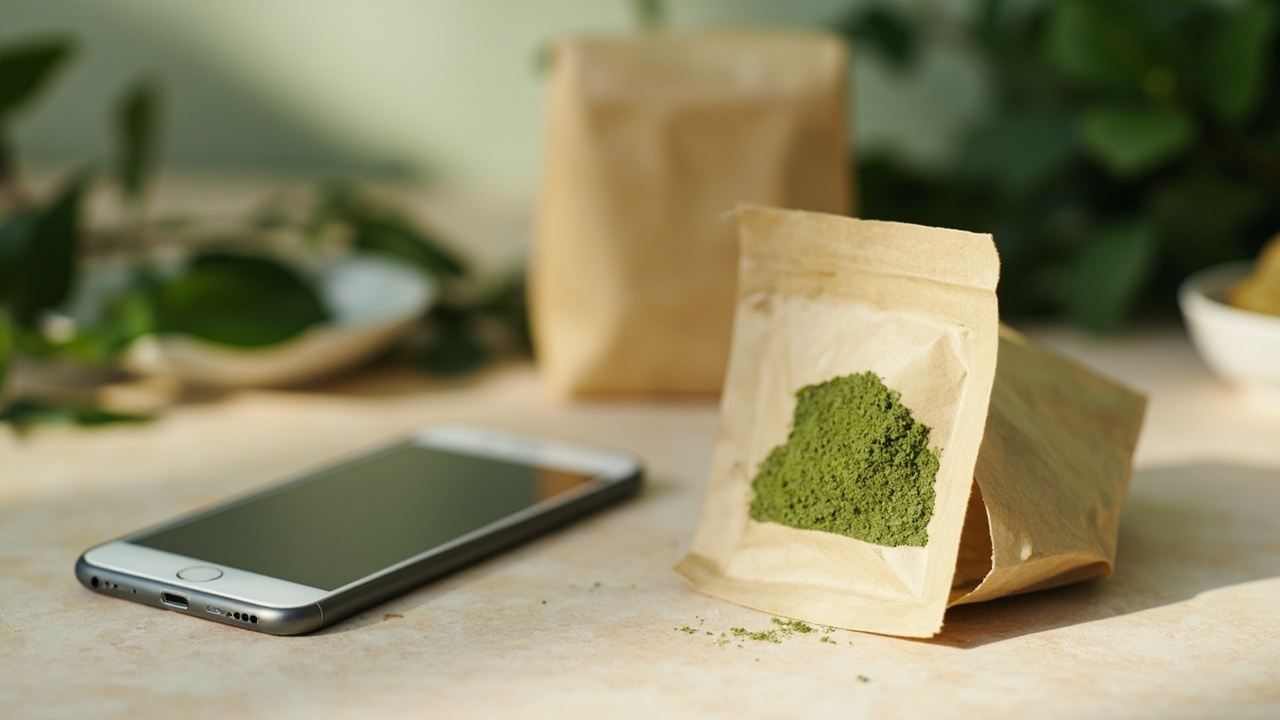
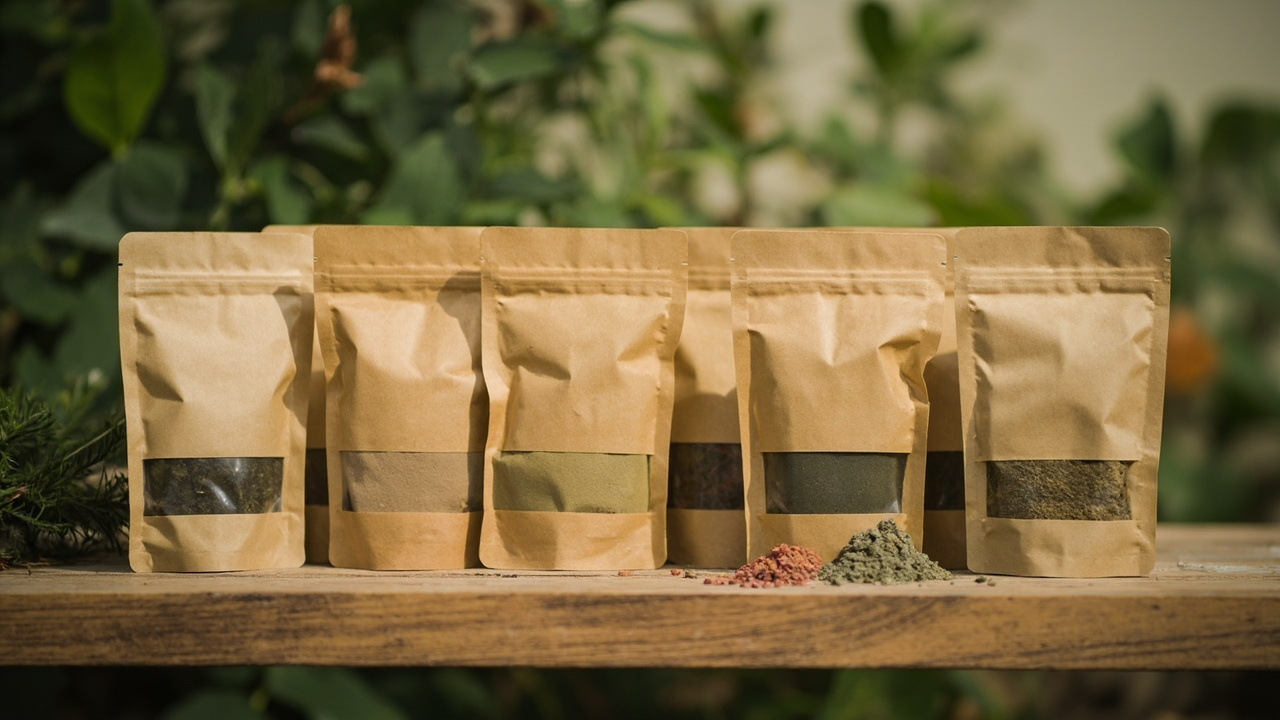
Traditional kratom means powdered leaf, with the full alkaloid spectrum in natural proportions. The new 7-OH products are something else: tablets and extracts containing isolated or synthetic 7-OH at levels the kratom plant never produces. A single tablet can contain more 7-hydroxymitragynine than dozens of servings of ordinary powder. Manufacturing usually involves chemically converting mitragynine into 7-OH in a lab, which is why critics call these semi-synthetic opioids rather than botanicals.
These products are widely available in the US through gas stations and smoke shops, often with candy flavours and packaging borrowed from the supplement aisle. Regulators noticed. In 2025 the US Food and Drug Administration announced it “takes steps to restrict 7-OH opioid products threatening American communities,” recommending scheduling of 7-OH as a controlled substance, and the Drug Enforcement Administration process is underway. Notably, the FDA aimed squarely at concentrated 7-OH while stating it was not targeting natural kratom leaf. Even the American Kratom Association, the industry’s main advocacy group, supports restricting concentrated 7-OH, which tells you how far outside normal kratom these products sit.
Why Concentrated 7-OH Carries Real Risk
The concern isn’t theoretical. Because 7-OH acts as a potent opioid receptor agonist, concentrated doses behave much more like pharmaceutical opioids than like tea leaf. That brings the classic risk profile with it.
Overdose potential rises because potency per milligram is high, dosing between products is inconsistent, and users misjudge tablets that look like breath mints. Respiratory depression, the mechanism behind opioid deaths, becomes a genuine possibility at high doses in a way researchers haven’t documented for ordinary leaf. One published case series on unanticipated toxicity of kratom-labelled products traced severe outcomes to concentrated extracts rather than plain powder.
Dependence moves faster too. Clinicians at addiction treatment services, including U-M Addiction Treatment Services at University of Michigan Health, report patients developing kratom use disorder patterns from 7-OH tablets within weeks, with tolerance and withdrawal symptoms resembling opioid use disorder more than anything traditional kratom users describe. Withdrawal from concentrated 7-OH tends to arrive harder and sooner than kratom withdrawal from leaf, precisely because the receptor activity is stronger and less buffered.
None of this means the compound is evil. It means the dose makes the poison, and these products deliver doses the kratom plant never did.
7-OH vs Whole-Leaf Kratom: The Practical Differences
Think of it as four gaps. Potency: leaf delivers trace amounts of 7-OH alongside dominant mitragynine, while tablets deliver isolated 7-OH at multiples of any natural serving. Predictability: lab-tested powder varies a little batch to batch, while 7-OH content in novelty products has tested wildly against label claims. Dependence speed: gradual and dose-dependent with leaf, rapid with concentrates. Regulation: natural kratom remains legal to possess in Canada and most US states, while concentrated 7-OH is headed for controlled substance status in the US and already fails Canada’s rules for consumable products.
People also ask whether 7-OH shows up on drug tests. Standard panels don’t screen for kratom alkaloids at all, though specialized assays can screen for kratom compounds including 7-OH and mitragynine when clinicians order them.
The Situation in Canada
Canada’s framework already draws the line cleanly. Kratom leaf isn’t a controlled substance, so possession is legal nationwide, but Health Canada has not authorized any kratom product for human consumption. Concentrated 7-OH products fall even harder on the wrong side of that line: they’re unauthorized, they’re exactly the kind of item the Canada Border Services Agency seizes, and Health Canada’s advisories about serious health risks name potent kratom preparations specifically. We’ve covered the broader legal picture in our Canadian buyer’s guide and the strains guide.
You’ll still occasionally spot 7-OH tablets at Canadian counters, usually imported grey-market stock. Our advice is blunt: leave them there. Whatever you’re looking for from kratom, a product that behaves like an unregulated opioid tablet isn’t it.
Where Kratom Active Stands
We sell whole-leaf kratom powder. No extracts, no isolates, no 7-OH concentrates, and that’s permanent policy, not a stock gap. Every batch we import from our single grower gets third-party testing that includes alkaloid profiling, so we can confirm both that mitragynine sits in the natural range and that 7-hydroxymitragynine stays at trace levels where it belongs. If a test ever showed elevated 7-OH, that batch wouldn’t be sold. Synthetic spiking is the industry’s ugliest corner, and alkaloid testing is how honest vendors prove they’re not in it.
That’s the standard we’d urge you to apply anywhere you shop: ask for the certificate of analysis and read the 7-OH line, not just the mitragynine one. Amounts in kratom should be small. If they’re not, you’re not buying leaf anymore.
If You’ve Been Using 7-OH Products
A harm-reduction note, because plenty of people bought these tablets without knowing what they were. If stopping produces flu-like symptoms, anxiety, or cravings similar to those experienced in opioid withdrawal, that’s 7-OH dependence, and it’s common enough now that addiction medicine clinics recognize it by name. Tapering rather than stopping cold makes it manageable for most people, and healthcare providers can help, including with medications used for opioid use disorder in tougher cases. There’s no shame in any of this. The products were designed to blur the line, and regulators are only now catching up.
Our kratom effects and safety guide covers the wider topic, including when self-management isn’t the right call.
Frequently Asked Questions
Is 7-OH natural or synthetic?
Both, and that’s the trick. It’s a naturally occurring alkaloid found in kratom in trace amounts, but the tablets sold as 7-OH contain lab-made or lab-concentrated versions at unnatural strengths. Marketing calls it natural. Chemistry disagrees.
Is 7-OH stronger than kratom?
Per milligram, enormously. Concentrated 7-OH compared to leaf kratom is roughly the difference between an isolated pharmaceutical and an herbal tea. Effects of 7-OH tablets resemble conventional opioids far more than the effects of kratom powder.
Is 7-OH legal in Canada?
It occupies the same unauthorized status as other consumable kratom products, but with far higher enforcement and health concern. Expect availability to shrink as US scheduling proceeds and border scrutiny follows.
Does regular kratom contain dangerous amounts of 7-OH?
No. Natural leaf carries trace amounts, and lab testing verifies it. The risk conversation is about concentrated products, not the quantity of 7-OH in ordinary powder.
How can I tell if a product is a 7-OH concentrate?
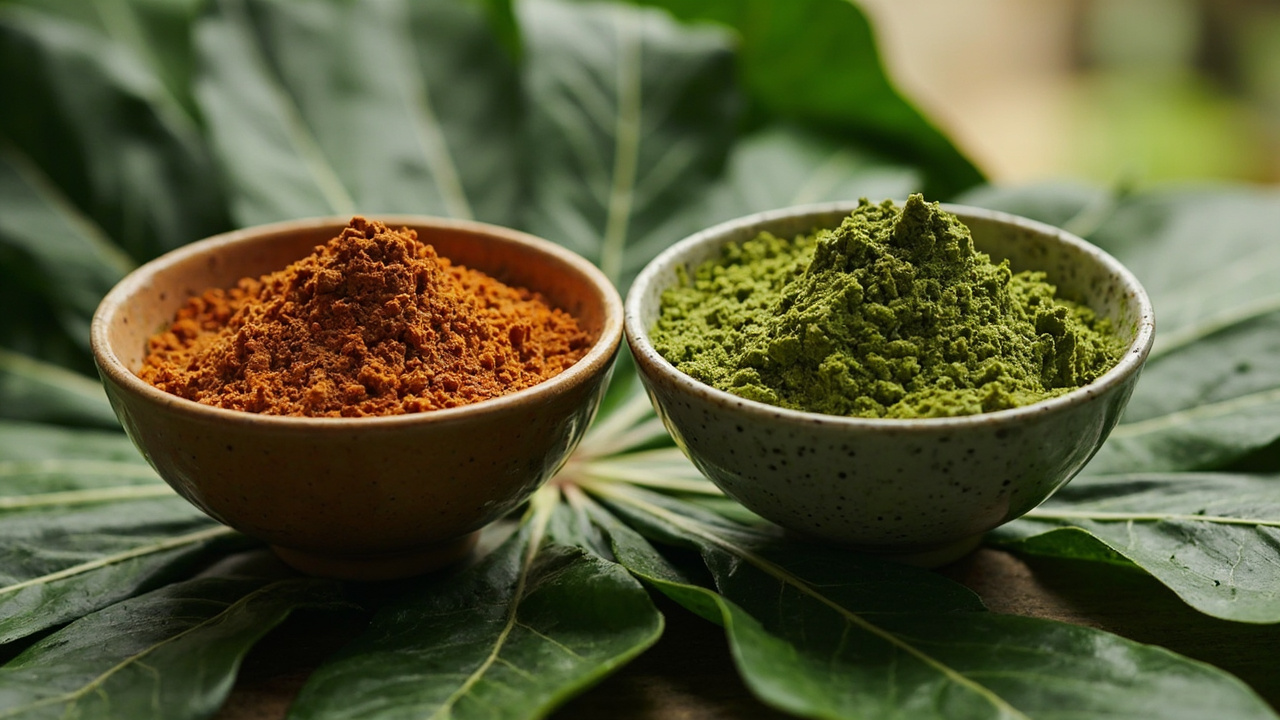
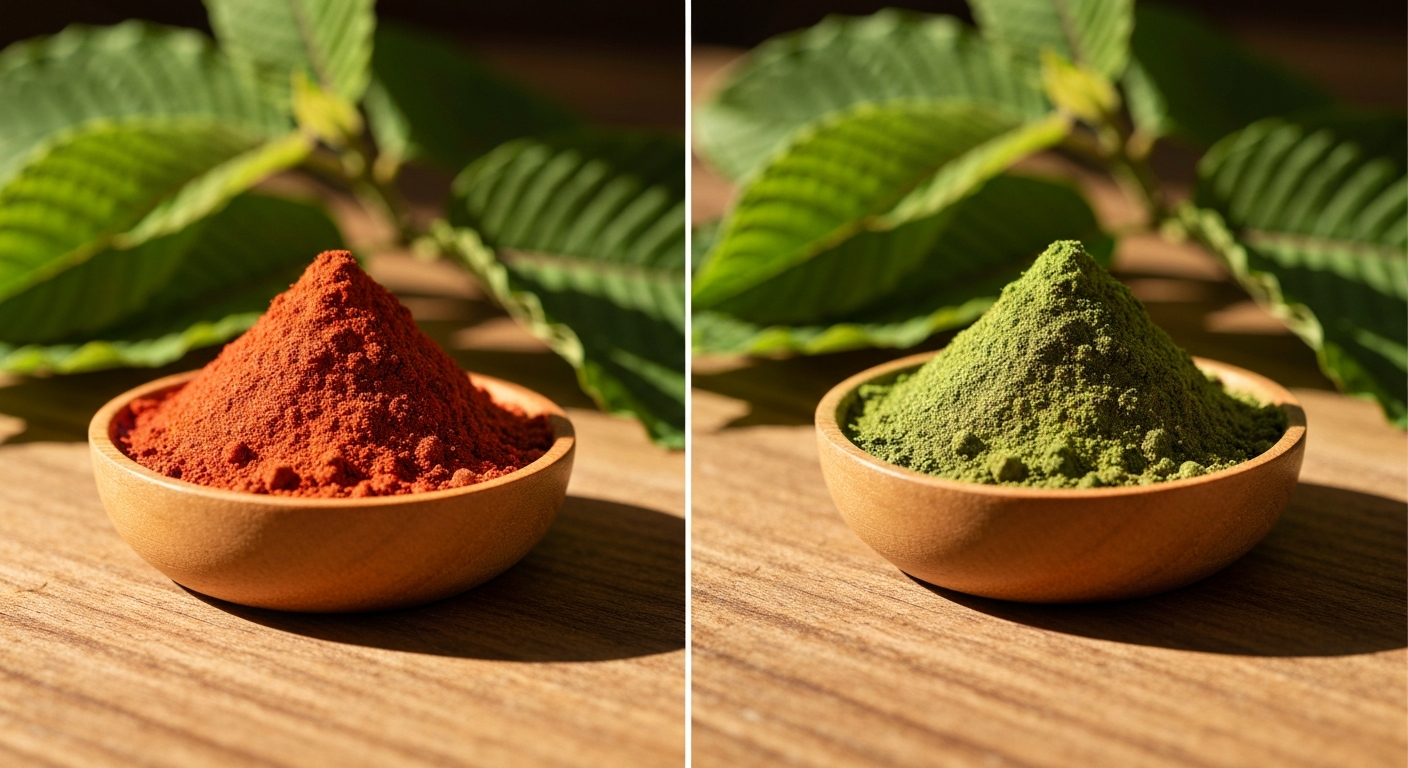
Tablets, gummies, shots, or anything advertising 7-OH content or extreme potency. Real kratom is a green-brown plant powder with a lab report. When in doubt, ask for alkaloid numbers.
Bottom Line
7-hydroxymitragynine deserves respect in both directions. As a trace alkaloid in whole-leaf kratom, it’s part of what makes the plant work, present in amounts the body handles alongside a whole spectrum of gentler compounds. As an isolated concentrate in a gas station tablet, it’s an unregulated opioid with real overdose and dependence risks, and both the FDA and the kratom industry’s own advocates want it restricted. Know which one you’re holding. Buy tested leaf from vendors who publish their alkaloid numbers, skip the concentrates entirely, and this whole issue stays where it belongs: in the news, not in your life.
Educational only. Not medical advice. Kratom is not authorized by Health Canada for human consumption. If you’re struggling with dependence on any substance, talk to a healthcare provider.