If you have ever been curious about exploring new botanical experiences, you have probably come across mentions of this fascinating plant. Kratom has been generating conversation among curious Canadians from coast to coast, and for good reason. This guide to Kratom is designed specifically with beginners in mind, offering clear explanations and practical tips to help you understand what this botanical is all about. Whether you have heard about it from friends or stumbled across information online, this beginners guide will walk you through everything you need to know before trying Kratom for the first time.
What Is Kratom?
Kratom comes from the leaves of the Mitragyna speciosa tree, a tropical plant native to Southeast Asia. The tree belongs to the coffee family, which might surprise people who expect something entirely different. For centuries, people in countries like Thailand, Malaysia, and Indonesia have used the leaves of this plant in various traditions.
The leaves are harvested from the tree, dried, and processed into different forms that people can use. What makes Kratom interesting is the presence of naturally occurring compounds called alkaloids. The most well-known of these is mitragynine, which interacts with receptors in the human body in ways that many people find noteworthy.
In recent years, Kratom has found its way to Canada, where it has attracted a growing community of curious individuals interested in botanical alternatives. Understanding Kratom starts with recognizing that it is a plant-based product with a long history of traditional use in its native regions.
Understanding Kratom: The Basics
The science behind Kratom revolves around its alkaloid content. When you hear people discuss Kratom, you will often encounter references to mitragynine as the primary active compound. These alkaloids are what give the leaf its distinct properties.
Different Kratom products can vary significantly based on several factors. The vein color of the leaf matters, as does the region where it was grown and the method used for processing. These variables create the range of experiences that regular Kratom users often discuss.
The growing process also plays a role in determining the characteristics of the final product. Climate, soil quality, and harvest timing all influence the alkaloid concentration in the leaves. This is why Kratom enthusiasts often pay attention to the origin of their products.
Understanding Kratom means recognizing that it is not a one-size-fits-all experience. The same product can affect different people in different ways, which is why beginners are encouraged to start slowly and pay attention to how their bodies respond.
Types of Kratom Products
When you start exploring Kratom, you will quickly discover that it comes in several different forms. Each format has its own characteristics and appeal for different types of users.
Kratom powder represents the most traditional and versatile form. The dried leaves are ground into a fine powder that can be mixed with various liquids. Many people prefer powder because it offers flexibility in how you choose to consume it.
Capsules have become increasingly popular, especially among beginners. These pre-measured options take the guesswork out of dosing and make taking Kratom feel similar to taking any other supplement. Capsules are convenient for people who want something discreet and easy to use on the go.
Extracts are more concentrated forms of Kratom that pack more potency into smaller amounts. These are generally recommended for experienced users rather than beginners, as the strength can catch newcomers off guard.
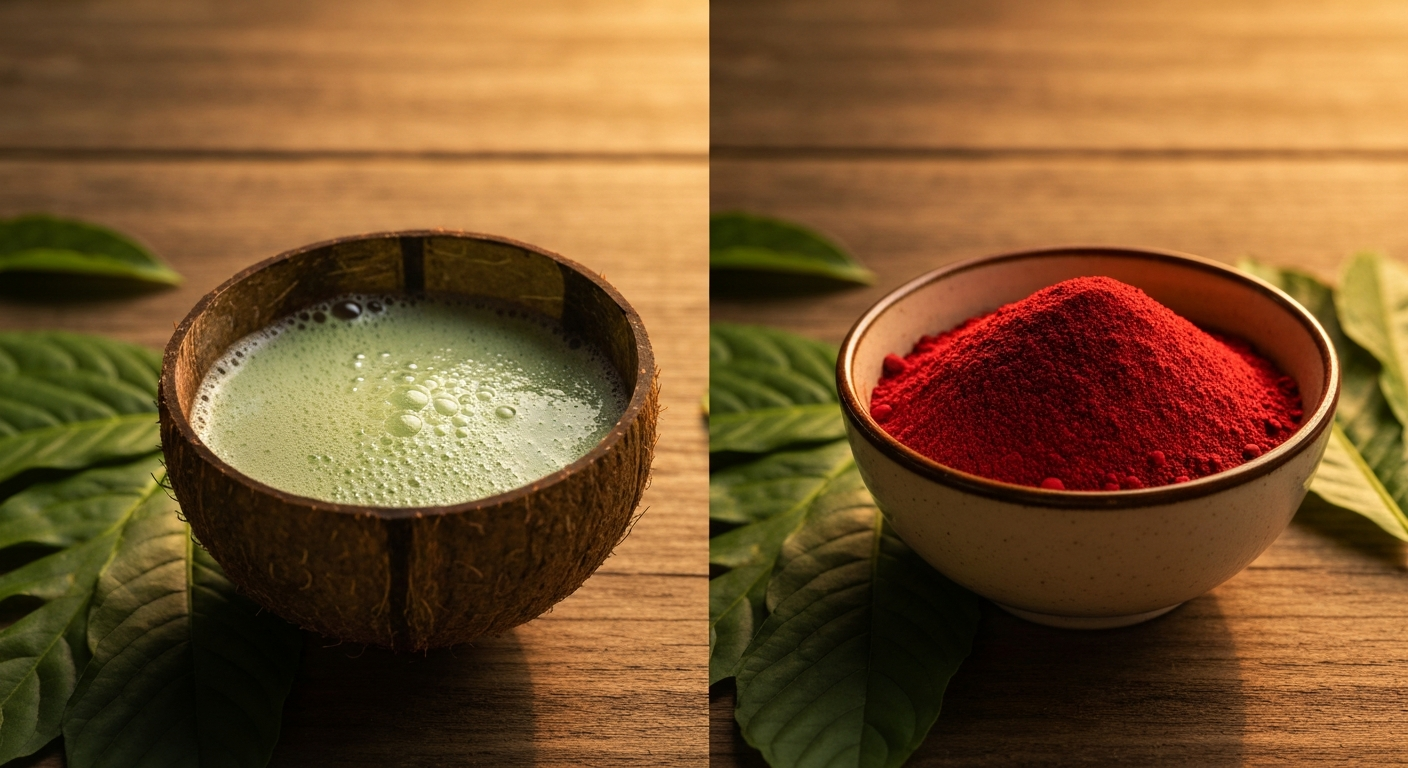
Kratom tea represents one of the oldest methods of consumption. The powder or crushed leaves are steeped in hot water, creating an aromatic beverage that many people find pleasant. This traditional approach connects modern users with historical practices.
Popular Kratom Strains
If you have spent any time researching Kratom, you have probably encountered terms like Maeng Da, Bali, or Malay. These are the names of different strains, and they refer to the variety of the plant as well as its origin or growing conditions.
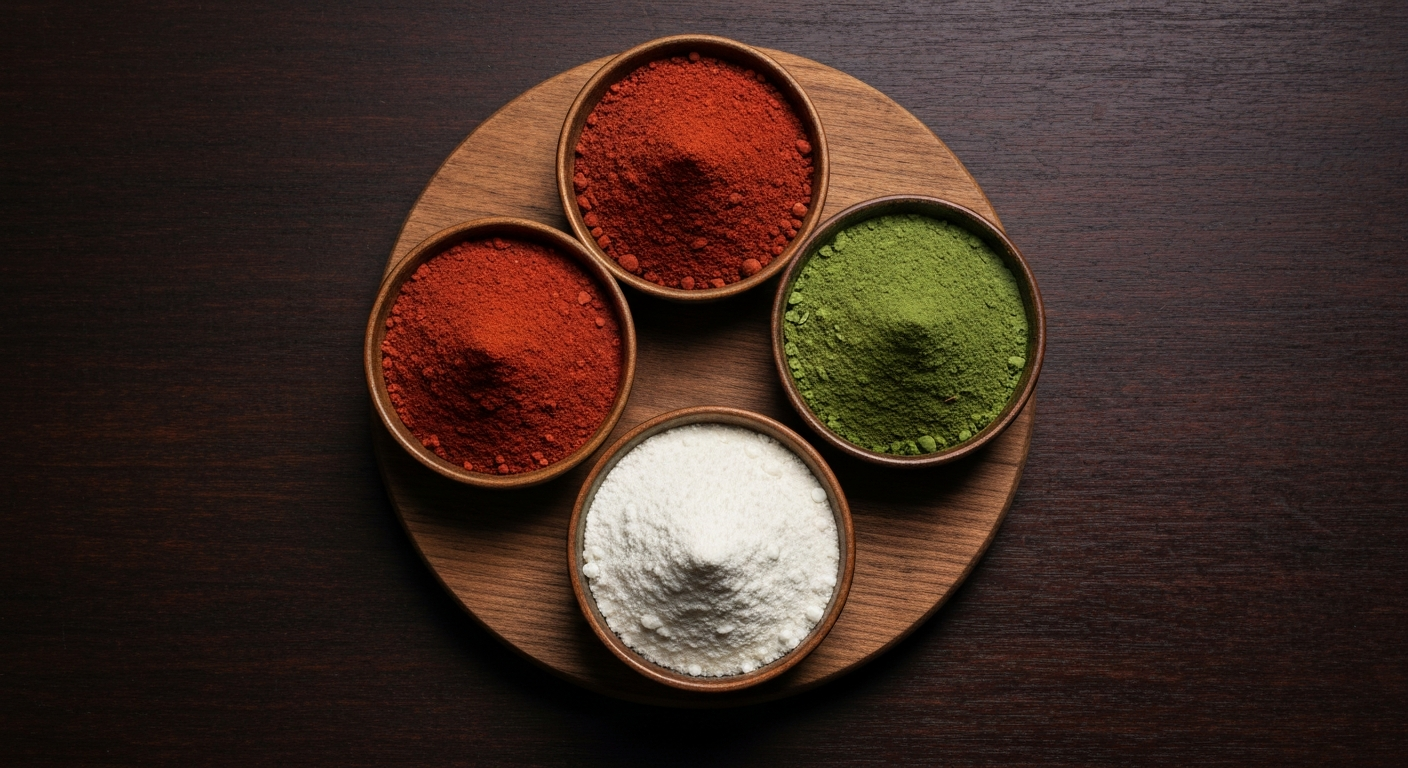
Strains are typically categorized by the color of the leaf vein when harvested. Green vein strains are often described as balanced, while white vein varieties tend to be associated with more energizing experiences. Red vein strains are frequently characterized as more relaxing by those who use them.
Maeng Da is one of the most popular strains available and is known for its potency. It originated in Thailand and has become a staple in the Kratom community. Many beginners start with Maeng Da because of its widespread availability and consistent reputation.
Bali Kratom, named after the Indonesian island, is often recommended for newcomers. Users frequently describe it as smooth and approachable, making it a common choice for first-time experiences.
Malaysian strains, often labeled as Malay, offer their own unique profile. Thegreen Malaysian variety in particular has gained a following among regular Kratom users who appreciate its characteristics.
Understanding the differences between strains can enhance your Kratom journey. Trying different varieties allows you to discover which ones agree with you personally. Keep in mind that individual responses vary, so what works for others might not be your ideal match.
How to Use Kratom
Taking Kratom for the first time can feel unfamiliar, but the process is actually quite straightforward once you understand your options. The method you choose depends on your preferences and comfort level.
Mixing Kratom powder with liquid is one of the most common approaches. Many people use juice to mask the natural taste, which can be quite bitter. Orange juice is a popular choice because its strong flavor does a good job of covering the plant notes. Some users prefer to mix it with water or even add it to smoothies.
For those who want a more traditional experience, preparing Kratom tea is an excellent option. Simply add your desired amount of powder to hot water and let it steep for several minutes. You can strain out the plant material or leave it in, depending on your preference. Adding honey or sugar can improve the taste.
Toss and wash is a technique where you place the powder directly in your mouth and wash it down with liquid. This method gets the Kratom into your system quickly but requires getting past the taste.
Capsules offer the simplest approach for beginners. You simply swallow them with water or another beverage, much like you would any capsule supplement. This method eliminates the taste entirely and provides consistent dosing.
Kratom Dosage for Beginners
Getting the dosage right is one of the most important aspects of using Kratom, especially for those who are new to it. Starting low and going slow should be your guiding principle.
For beginners, experts generally recommend beginning with one to two grams of Kratom powder. This conservative approach allows you to gauge how your body responds before considering any increases. You can always take more next time if needed, but you cannot undo taking too much.
Human body weight does play a role in determining appropriate dosage. Larger individuals might find that they need slightly more to achieve their desired experience, while smaller individuals may be sensitive to smaller amounts. It is wise to consider this factor when measuring your first dose.
The effects of Kratom typically onset within thirty to sixty minutes after consumption, though this can vary from person to person. Waiting at least an hour before considering additional Kratom is crucial. Taking more too quickly is one of the most common mistakes beginners make.
If you are using capsules, a typical beginner dose might be two to four capsules, depending on the size and concentration of the product you have. Always check the packaging for specific recommendations from the manufacturer.
Preparing Kratom: Tips and Techniques
The way you prepare Kratom can significantly impact your experience. Taking a few extra moments to prepare properly can make the process more enjoyable.
When making Kratom tea, using hot but not boiling water helps preserve the beneficial compounds. Water that is too hot might degrade some of the alkaloids you are trying to access. Letting the tea steep for fifteen to twenty minutes typically yields good results.
If you are mixing powder with juice, using a shaker bottle can help break up clumps and create a more consistent mixture. Some people find that letting the mixture sit for a few minutes before drinking allows the powder to absorb some of the liquid, making it easier to consume.
Adding a small amount of lemon juice to your Kratom mixture can enhance the extraction of alkaloids. Many experienced users swear by this technique, claiming it improves both the effects and the flavor.
Staying hydrated is important when using Kratom. Drink plenty of water before, during, and after your experience. Some people find that having a snack nearby helps settle their stomach if they feel any initial discomfort.
Your First Kratom Experience
What to expect when taking Kratom for the first time varies from person to person. Most newcomers report feeling the initial effects within thirty to forty-five minutes of consumption.
Many beginners describe the sensation as gentle and gradually building rather than sudden or overwhelming. Regular Kratom users often speak of a sense of calm and focus that settles in over the first hour.
Setting matters when exploring Kratom. Choose a comfortable, familiar environment where you feel relaxed. Being in a positive state of mind and comfortable surroundings can contribute to a more pleasant experience.
Having someone with you who is familiar with Kratom can be helpful for your first time. Their experience and guidance can put you at ease and help you navigate any unfamiliar sensations with confidence.
Give yourself plenty of time. Plan for at least two to three hours of availability so you are not rushed. Stressing about time can detract from the experience and make you more aware of minor sensations that you might otherwise overlook.
Building Your Kratom Routine
As you become more familiar with how Kratom affects you personally, you can begin to develop a routine that works for your lifestyle and preferences.
Many people who use Kratom regularly establish specific times for consumption that align with their daily activities. Some prefer mornings, while others find afternoon or evening sessions more suitable for their schedules.
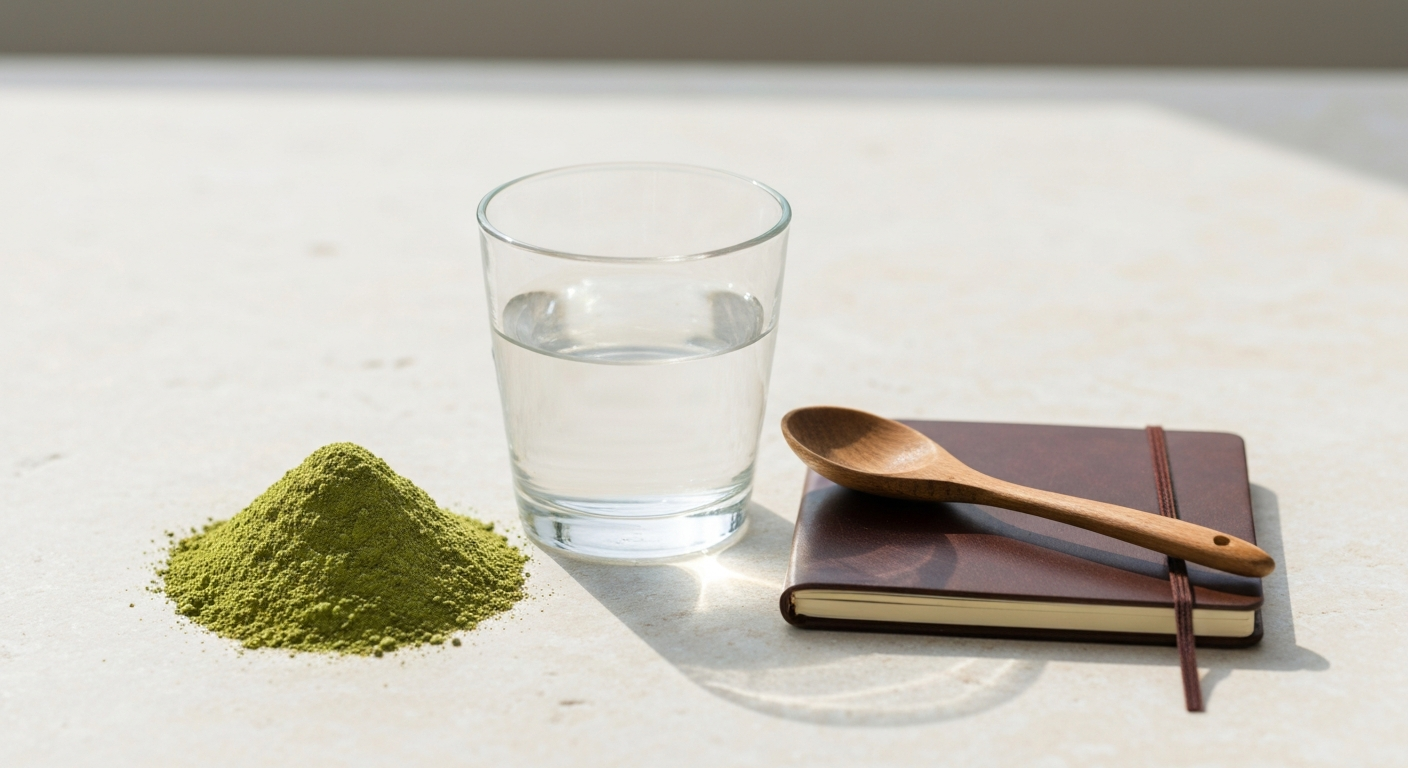
Tracking your experiences can be incredibly valuable. Note the strain, dosage, method of preparation, and how you felt. This information helps you refine your approach over time and identify what works best for you.
Rotating between different strains is a practice many experienced users recommend. Just as you might enjoy different varieties of tea or coffee, switching between Kratom strains can help maintain the effectiveness of your routine.
Taking breaks occasionally is part of a sustainable approach to using Kratom. Some people find that taking a day or two off periodically helps keep their experiences consistent over the long term.
Kratom and Canadian Culture
The Kratom community in Canada has been growing steadily as more people discover this botanical. While Canada might not share the tropical climate where Mitragyna speciosa thrives, Canadian consumers have embraced various ways of incorporating Kratom into their lives.
Canadian Kratom enthusiasts often connect through online communities where they share experiences, tips, and product recommendations. These spaces have become valuable resources for newcomers seeking guidance from those with more experience.
Local shops and online retailers have made Kratom products increasingly accessible across the country. Canadians can find various strains and formats to suit their individual preferences and needs.
The community aspect of Kratom use in Canada mirrors the broader trend of Canadians seeking natural alternatives and botanical experiences. Whether for personal exploration or routine use, many Canadians have found value in understanding and using Kratom responsibly.

Kratom Products: Shopping Tips
Finding quality Kratom products requires some knowledge and attention to sourcing practices. Not all products are created equal, and understanding what to look for can help ensure a positive experience.
Look for vendors who provide detailed information about their products, including the strain, origin, and testing practices. Transparency is a good sign that a vendor takes quality seriously.
Reputable sellers often offer sample packs or smaller quantities, allowing you to try different varieties before committing to larger purchases. This approach is particularly smart for beginners who are still discovering their preferences.
Reviews from other users can provide valuable insights, but remember that individual experiences vary. What works wonderfully for one person might not be ideal for another, so use reviews as one factor among many when making decisions.
Pricing that seems too good to be true often is. Extremely low prices might indicate inferior quality or questionable sourcing. Investing a bit more in quality products typically leads to better experiences overall.
Understanding Kratom Alkaloids
The effects that people experience from Kratom are largely attributed to its unique alkaloid profile. Research into these compounds has been ongoing for years, with scientists studying their properties and potential.
Mitragynine is the most abundant alkaloid found in Kratom and is often the focus of most discussions about the plant. However, there are actually dozens of different alkaloids present, each potentially contributing to the overall experience.
The concentration of these alkaloids varies depending on the specific plant, growing conditions, and processing methods. This is why different strains and batches can produce noticeably different effects.
Understanding that Kratom contains multiple active compounds helps explain why its effects can be complex and multifaceted. The interplay between different alkaloids creates experiences that are more nuanced than a single compound might produce.
The Art of Kratom Preparation
Mastering the preparation of Kratom can elevate your experience from merely adequate to genuinely enjoyable. Like brewing the perfect cup of coffee, there is an art to preparing Kratom well.
When making Kratom tea, consider adding fats like coconut oil or butter to your preparation. The alkaloids in Kratom are fat-soluble, meaning they absorb better when consumed with some dietary fat. This technique can potentially enhance the overall experience.
Temperature matters more than many people realize. Water that is too hot can degrade sensitive compounds, while water that is not hot enough might not extract the alkaloids effectively. Finding that sweet spot takes some experimentation.
Some users prefer to make concentrated extracts by simmering Kratom in water for an extended period, reducing the liquid until it becomes very potent. These concentrates can be stored and used as needed, though they require more skill to prepare properly.
The vessel you use can even make a difference. Glass, ceramic, and stainless steel are generally preferred over plastic, as plastic might interact with the compounds during preparation.
Common Questions From New Users
If you are just starting out with Kratom, you probably have many questions beyond what we have covered so far. Here are some answers to the most frequently asked questions from beginners.
Most people want to know what to expect taking Kratom for the first time. Expect to wait about thirty to sixty minutes before feeling anything, and anticipate a gradual onset of effects rather than anything sudden. The experience tends to build gently over the first couple of hours.
People often ask which Kratom to start with. Green vein strains and Bali varieties are commonly recommended for beginners because they are considered approachable and well-balanced. Maeng Da is also popular, though it tends to be more potent.
The question of what drugs should you not mix with Kratom is important to understand. While we are not going to discuss specific medical topics, we will say that combining any substances requires caution and awareness. Always be thoughtful about what you are putting into your body.
Understanding that Kratom in Canada has become increasingly accessible means knowing where to find quality products. Online vendors and specialty shops can provide various options for Canadian consumers interested in exploring Kratom.
Developing Your Personal Approach
Everyone’s relationship with Kratom is unique, and part of the journey is discovering what works best for you personally. There is no universal right answer that applies to everyone.
Some people find that morning use works best for their schedules and goals. Others prefer afternoon or evening sessions when they can relax and enjoy the experience without other obligations.
Experimenting with different methods of consumption can reveal preferences you did not know you had. You might discover that you love the ritual of brewing Kratom tea but dislike mixing powder in juice. Finding your preferred approach makes the practice more enjoyable.
Keeping an open mind while also trusting your own observations is important. Other people’s experiences can guide you, but your body knows best how it responds to different substances and situations.
Building Knowledge Over Time
Your understanding of Kratom will deepen naturally as you gain experience. What seems complicated at first will become second nature with repetition and attention.
Reading about other people’s experiences can provide new insights and ideas. Online communities and forums dedicated to Kratom are full of discussions about techniques, strains, and approaches that might spark your own innovations.
Learning about the origins and history of Kratom adds another dimension to your appreciation. Understanding that this plant has been used traditionally for centuries in Southeast Asia connects you to a longer story.
Tracking your own journey through notes or journaling helps you recognize patterns and preferences that might otherwise escape notice. What did you try? How did it make you feel? Would you do it again? These simple questions build a valuable personal database.
The Community Aspect
One of the rewarding parts of exploring Kratom is connecting with others who share your interest. The community surrounding this botanical is generally welcoming and helpful to newcomers.
Sharing experiences, tips, and discoveries with others creates a sense of belonging and mutual support. Learning from more experienced users can accelerate your own understanding and help you avoid common pitfalls.
Helping newcomers who come after you continues the cycle of knowledge sharing. What you learn can benefit others who are just starting their own Kratom journey.
Frequently Asked Questions
What Is Kratom Used For?
Kratom is used by many people as part of their daily wellness routines. Some incorporate it into their morning rituals for a sense of focus and energy, while others use it in the evening to wind down after a long day. The versatility of different strains allows users to choose experiences that align with their preferences and schedules. Many Canadians have found value in exploring Kratom as a botanical alternative within their personal wellness practices.
Which Kratom Strain Should Beginners Start With?
Beginners often have success starting with green vein strains, Bali varieties, or Maeng Da. These strains are widely regarded as approachable and are commonly recommended in the community. Green vein varieties offer a balanced experience, while Bali strains are known for their smooth character. Maeng Da, though potent, is popular precisely because of its reliability. Trying a few different options helps you discover which strains resonate with you personally.
How Should I Take Kratom for the First Time?
Taking Kratom for the first time is best done in a comfortable setting with no time pressure. Start with a low dose of one to two grams, and choose a method that appeals to you. Capsules are convenient and eliminate the bitter taste, while Kratom tea offers a traditional experience. Mixing powder with juice works well for those who want flexibility. Wait at least an hour before considering any additional amount, and remember that effects build gradually.
What Does Kratom Taste Like?
Kratom has a naturally bitter, earthy taste that many people compare to strong green tea or powdered herbs. The flavor is quite distinct and can be off-putting to some, which is why mixing it with flavorful liquids is so common. Orange juice, apple juice, and other sweet beverages do a good job of masking the bitterness. If you are making tea, adding honey or sugar can improve the experience significantly.
How Long Do Kratom Effects Last?
The duration of Kratom effects varies based on individual factors and the amount consumed. Most people report feeling effects for approximately three to five hours after taking it. Factors like whether you have eaten recently, your metabolism, and your body weight can all influence how long the experience lasts. Taking Kratom on an empty stomach tends to produce faster onset and potentially shorter duration compared to taking it after a meal.
Can I Build Tolerance to Kratom?
Like with many substances, regular Kratom users may notice that they need slightly more over time to achieve the same experience. Taking periodic breaks of a day or two can help maintain sensitivity. Rotating between different strains is another strategy people use to support their routines. Listening to your body and adjusting your approach accordingly helps create a sustainable long-term practice.