Sooner or later every kratom user in Canada discovers extracts. Tiny bottles and resins promising ten or fifty times the strength of plain powder, usually with lightning bolts on the label. The pitch is obvious: same plant, less product, bigger effect. The reality deserves a much closer look, because kratom extracts are where this industry’s quality problems, health risks, and legal exposure all concentrate, literally. Here’s what Canadians should know before buying one.
What a Kratom Extract Is
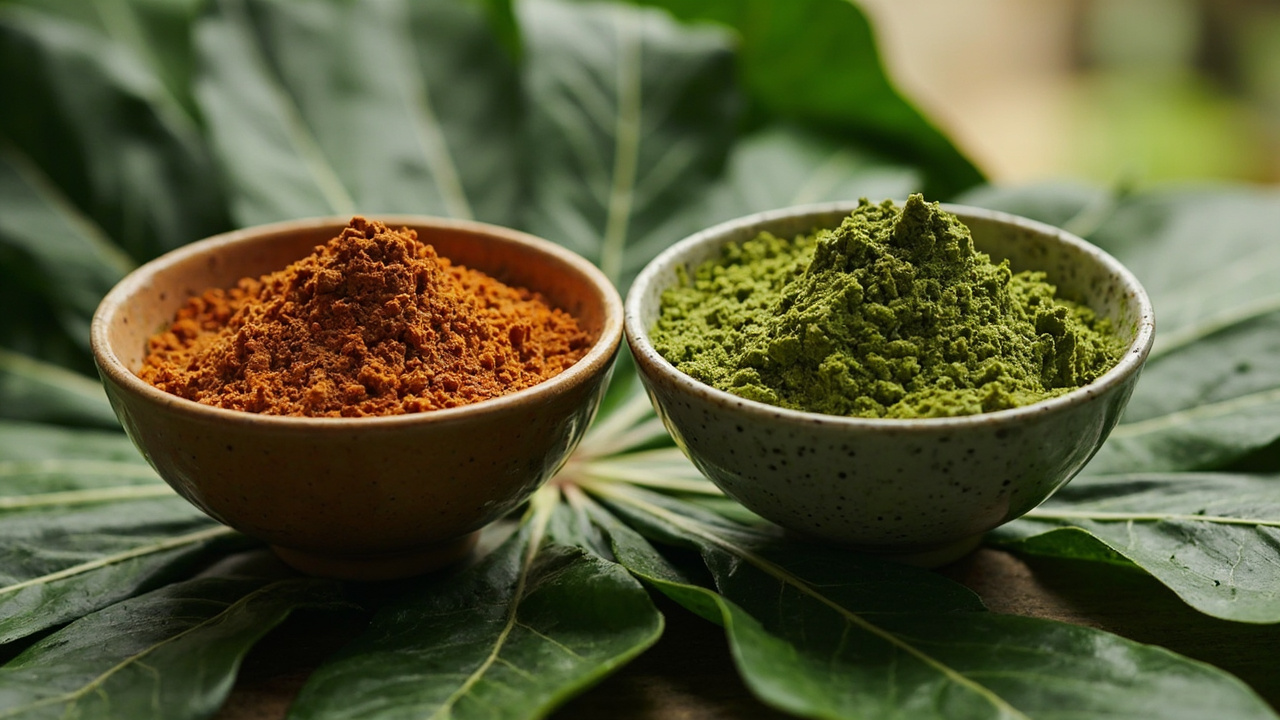
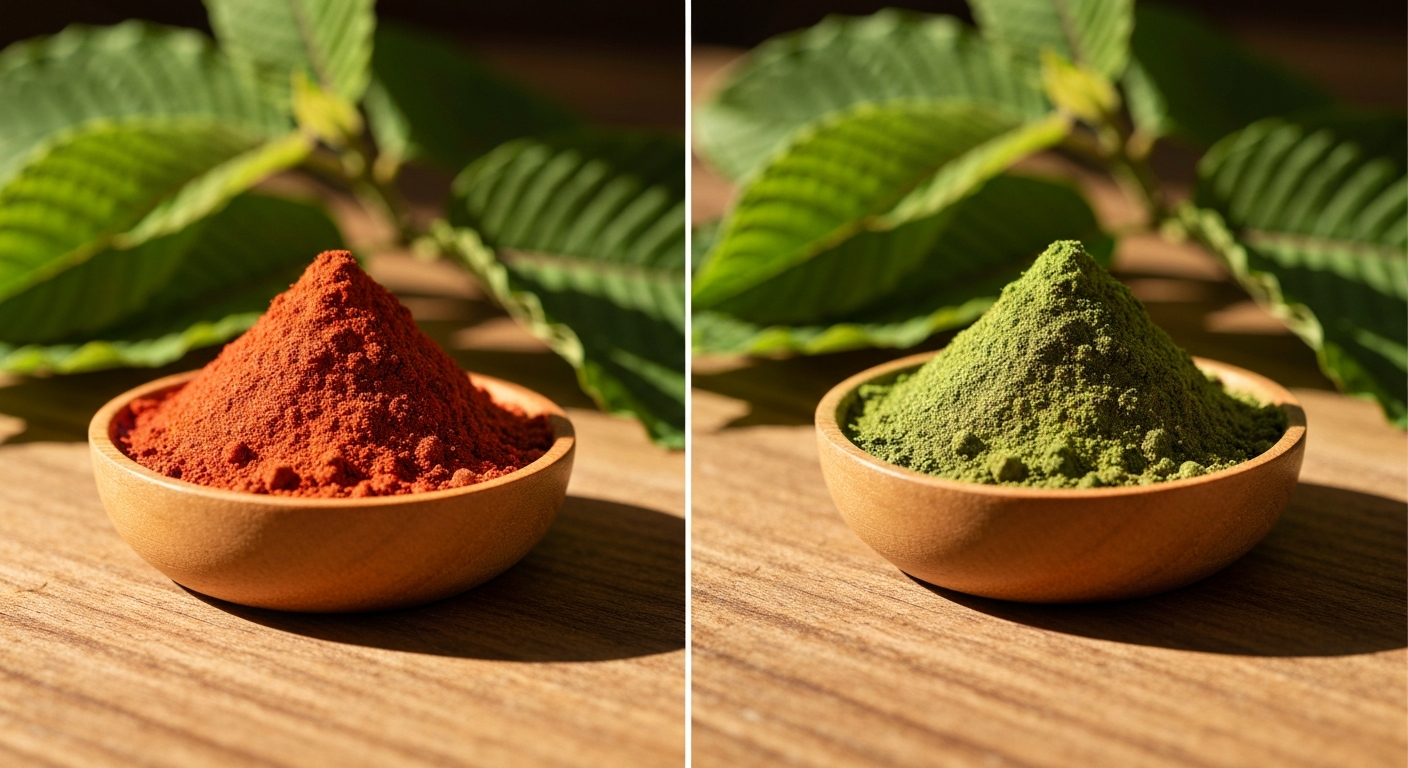
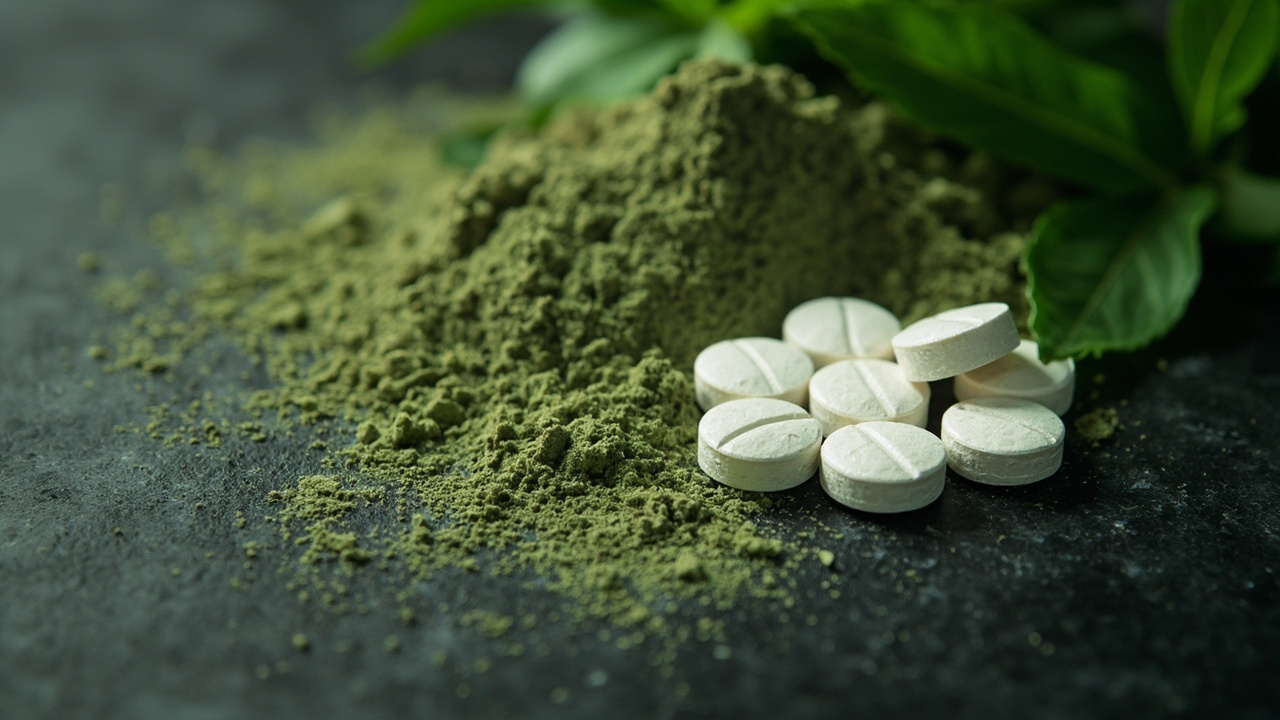
Regular kratom is just dried, powdered leaves of Mitragyna speciosa, a tropical tree from Southeast Asia. An extract starts with that same material and uses water, ethanol, or other solvents to pull out and concentrate the alkaloids, mainly mitragynine and 7-hydroxymitragynine. Boil it down, and you get resins, tinctures, powdered concentrates, and liquid shots. Labels like 10x or 50x claim the multiple of leaf-equivalent strength, though in testing those numbers track marketing more reliably than chemistry.
People consume kratom this way for the same reasons concentrates exist everywhere: smaller doses, no leafy taste, faster onset. Those are real conveniences. Everything else in this article is the price tag attached to them.
Why Extracts Change the Risk Picture
With plain powder, potency has a natural ceiling. Leaf runs 1 to 2 percent mitragynine and trace 7-hydroxymitragynine, and there’s only so much of it you can comfortably swallow. Extracts remove that ceiling, and four problems follow.
Dosing precision gets harder. The difference between a normal and a heavy serving of a 50x concentrate is a matter of drops, and label inaccuracy makes the math worse. Higher doses arrive by accident, and with them the nausea, dizziness, and sedation that heavy kratom use brings.
Tolerance builds faster. Hit the receptors harder and the body adapts sooner. Extract-heavy users report escalating needs within weeks, then diminished returns from ordinary powder afterward. Withdrawal symptoms on stopping follow the same curve, which is how a casual habit quietly becomes kratom dependence.
Adulteration hides easily. This is the big one. A published systematic review of kratom products and multiple case reports of kratom toxicity keep pointing at the same culprit: concentrates spiked with synthetic 7-OH or other additives, sold as botanical extract. Some kratom sellers add isolated alkaloids to weak extract to hit label claims. At that point you’re not buying a plant product anymore, you’re buying an unregulated opioid of unknown strength. We wrote a full guide to 7-OH and why it matters if you want the deep dive.
And the health effects tied to kratom in official warnings cluster here too. When Health Canada advises that unauthorized kratom products “may pose serious health risks,” citing liver toxicity and opioid-like effects, the underlying kratom exposure reports overwhelmingly involve potent preparations and polydrug use, not cups of leaf tea.
The Legal Angle in Canada
All consumable kratom sits in the same federal grey zone. Nothing containing kratom is authorized for sale by Health Canada as a natural health product, possession isn’t a crime, and enforcement targets sellers and imports. Extracts inherit that status but attract far more of the enforcement attention. Products seized by the Canada Border Services Agency skew heavily toward concentrates and shots, and Health Canada is advising Canadians against precisely the high-potency end of the market. An imported extract order is simply a likelier seizure than a bag of powder from a domestic vendor. If you’re unclear on the broader rules, our Canadian buyer’s guide lays them out.
Why We Sell Powder Only
Kratom Active has never stocked an extract, and it’s worth explaining the reasoning rather than just stating the policy. Our whole model is verification: one grower, whole leaf, third-party lab tests on every batch confirming natural alkaloid ranges and the absence of contamination. Extracts break that chain. Concentration happens in facilities we can’t audit, creates potency our customers can’t intuitively dose, and produces exactly the product category where spiking hides. The benefits of kratom that our customers actually come back for, steady energy, calm, routine, all live comfortably within what leaf provides.
Strong preferences are fine, and experienced users who consume kratom in larger servings can simply take more powder, or brew it concentrated at home from tested leaf. What you can’t do is un-spike a mystery shot after the fact.
If You Do Buy Extracts
Some readers will anyway, so harm reduction beats lecturing. Buy only from a Canadian vendor who publishes batch-specific lab results for the extract itself, including a 7-OH number, since natural kratom carries only trace levels and anything elevated means adulteration. Start with a fraction of the labelled serving. Never combine extracts with alcohol, benzodiazepines, or other sedatives, the combination behind most serious case reports. And keep extract use occasional rather than daily, or tolerance will eat the entire point of it within a month.
People who use kratom sensibly treat concentrates like spirits versus beer. Same source, different rules.
Powder vs Extract at a Glance
Potency: powder is naturally capped, extracts are open-ended and label-unreliable. Dosing: powder is forgiving by the gram, extracts punish small errors. Cost per session: powder wins clearly once tolerance effects are counted. Risk of adulteration: low for tested leaf, concentrated in extracts. Legal exposure: identical on paper, but seizures and advisories aim at the potent end. For most Canadians, most of the time, tested powder is the rational buy, and the shop carries nine lab-tested strains of it with same-day Vancouver shipping.
Frequently Asked Questions
Are kratom extracts legal in Canada?
They share kratom’s general status: legal to possess, not authorized for sale for human consumption. In practice they face more border seizures and regulatory attention than powder.
Is a 50x extract really fifty times stronger?
Almost never. Independent testing routinely finds concentrations far off label claims in both directions, which is itself the problem. Without a certificate of analysis, the number is decoration.
Do extracts show up differently on drug tests?
Standard panels don’t screen for kratom alkaloids at all. Specialized tests detect mitragynine regardless of whether it came from powder or extract.
What’s a safer way to get stronger effects?
A modestly larger serving of tested powder, or concentrated home brewing from leaf you trust. Both keep the natural alkaloid balance and your ability to dose by the gram.
Bottom Line
Extracts aren’t inherently evil, but they concentrate everything at once: the alkaloids, the dosing risk, the tolerance curve, the adulteration problem, and the regulatory heat. The use of kratom in Canada stays simple and manageable when the product is whole leaf with a lab report. It gets complicated fast when it’s a mystery concentrate. Choose accordingly, and if you choose extracts anyway, make the vendor prove every number on the label first.
Educational only. Not medical advice. Kratom is not authorized by Health Canada for human consumption.