Walk through any kratom shop’s menu and you’ll see reds, greens, and whites everywhere. Then, tucked near the bottom, something odd: yellow vein kratom. Sometimes it’s called gold. Sometimes yellow Thai or yellow Borneo. And here’s the thing that surprises most people. There’s no yellow-veined kratom leaf growing anywhere in Southeast Asia. Not one.
So what’s actually in the bag? Let’s clear it up.
The Short Answer
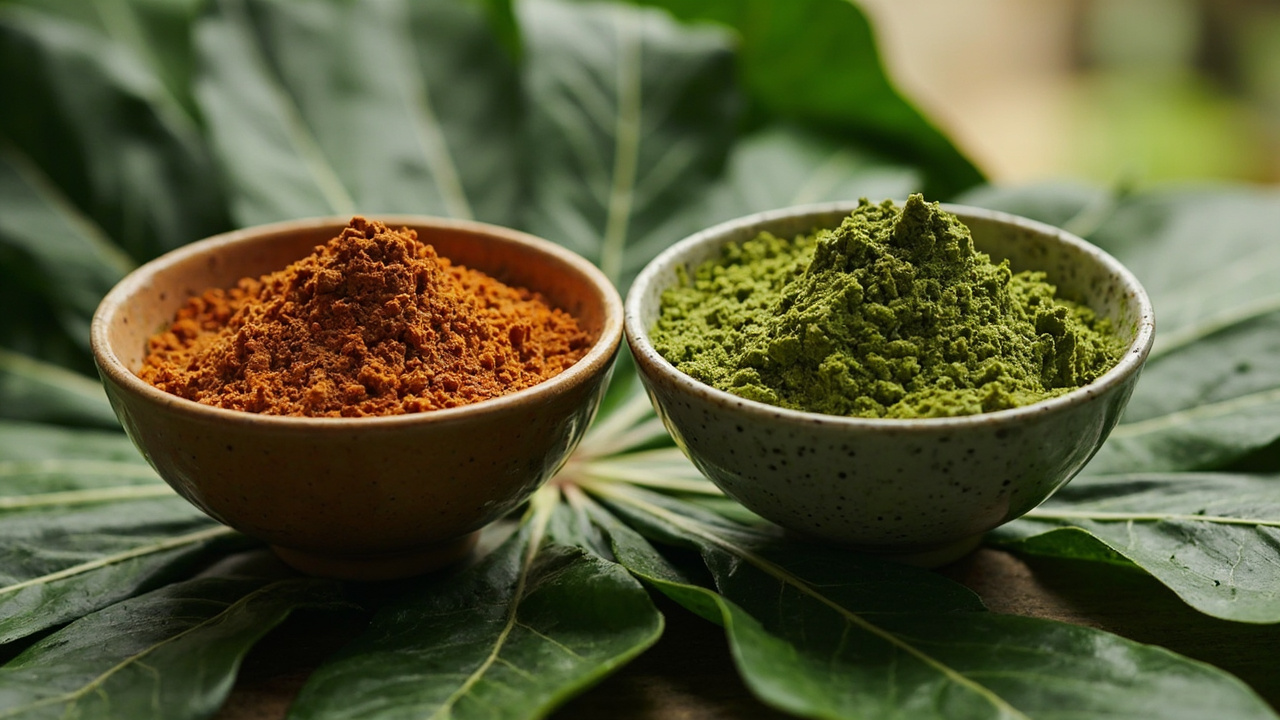
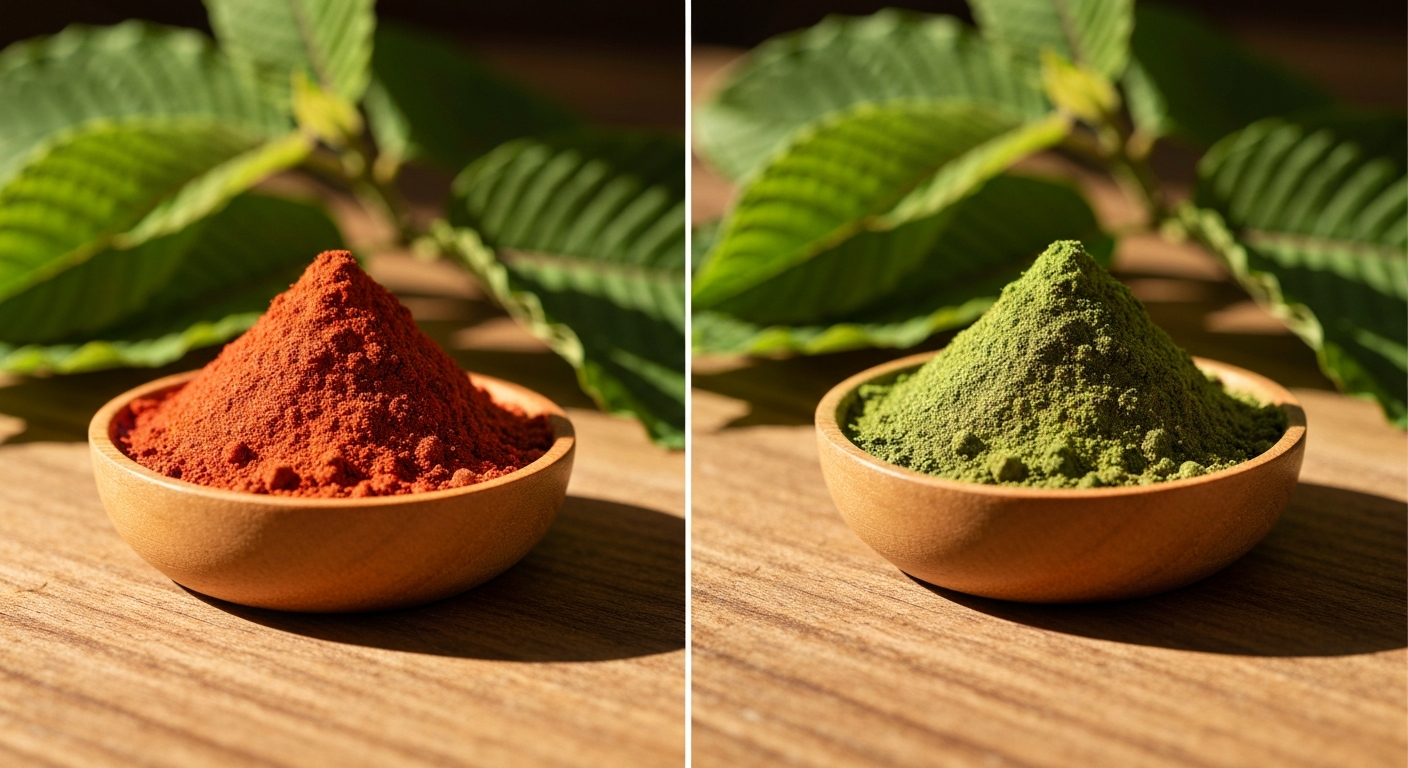
Yellow vein kratom isn’t a distinct type of kratom tree. It’s a processing style. Farmers take white vein kratom or red vein kratom leaves and change the drying process, usually with extended sun exposure or a light fermentation step. That shift alters the alkaloid profile and turns the powder a muted yellowish shade. The result sits somewhere between a green and a white in character: gentle energy, decent mental clarity, and a smoother finish than most white strains.
Where Yellow Kratom Actually Comes From
Every kratom strain starts as a leaf from Mitragyna speciosa, a tree native to Southeast Asia. The natural vein color you’d see on the living leaf is red, white, or green depending on maturity at harvest. Kratom cultivators in Borneo, especially the Kalimantan region of Indonesia, discovered generations ago that what happens after harvest matters as much as when you pick.
Dry the kratom leaves indoors and you keep one alkaloid balance. Dry them in direct sun and mitragynine begins converting into related compounds. Ferment them in bags first and the chemistry shifts again. Yellow kratom is what you get when producers deliberately extend that sun-drying or fermentation window. Gold kratom usually refers to the same idea pushed a little further, often starting from red kratom leaf rather than white. The yellow or gold label tells you about technique, not genetics.
That’s why you’ll see so many regional names. Yellow Borneo, yellow Indo, yellow Thai, even yellow Maeng Da. Each one is simply the local strain run through a yellowing process.
What Does Yellow Vein Kratom Feel Like?
Ask ten kratom users and you’ll get ten slightly different answers, which makes sense given that no two producers dry their leaf identically. Still, the reports cluster around a consistent middle ground.
Most people describe yellow strains as balanced. They energize without the sharp edge some white kratom strains carry, and they relax without the heaviness of a strong red. Mental clarity comes up a lot. So does mood. Think of a mild green strain with the corners sanded off and you’re close. Effects of yellow varieties tend to last a touch longer than whites too, which users credit to the altered alkaloid profile created by the drying process.
Because the intensity is moderate, yellows have a reputation as a friendly option for people new to kratom who find whites too stimulating and reds too sedating.
Yellow vs Green: Is There Any Real Difference?
Honestly, less than the marketing suggests. Green vein kratom is picked at middle maturity and dried conventionally. Yellow is usually white or red leaf pushed through extra processing until it behaves like a green. Lab analysis of commercial samples shows heavy overlap in alkaloid content between the two categories, and kratom research on post-harvest processing is still thin.
The practical difference is consistency. A green Malay from a single trusted farm will taste and perform the same bag after bag. A yellow blend from an unknown producer might be white Borneo one month and aged red the next. If a vendor can’t tell you what leaf their yellow starts from, that’s worth noticing.
Popular Yellow and Gold Varieties
A quick tour of the names you’ll encounter. Yellow Thai leans energetic, closer to a white, and it’s the version Canadians search for most. Yellow Borneo runs calmer and suits afternoon use. Yellow Indo sits right in the middle and is often the mellowest of the three. Yellow Maeng Da takes the famously strong Maeng Da kratom leaf and mellows it slightly, keeping potency high. Gold Bali, the best known gold, starts from red leaf and delivers relaxation with a mild lift.
Are these the best yellow kratom strains? They’re the most established ones. Quality depends far more on the producer than the name on the label.
How Much Should You Take?
Treat a yellow like a green when figuring out your serving size. Start low, around one to two grams, and see how your body responds before going higher. Because yellows are often made from white kratom, sensitive users sometimes feel more stimulation than expected. Give any new kratom powder a few separate sessions at a low amount before you judge it. Our Canadian dosage guide walks through this in detail.
Buying Yellow Kratom in Canada
Here’s where we’ll be straight with you. Kratom Active doesn’t currently stock a yellow, and that’s a deliberate choice. Yellow processing adds a variable we can’t verify batch to batch from our single grower, and we only sell what we can test and stand behind. Groups like the American Kratom Association push for exactly this kind of transparency across the industry, and we think it matters more than chasing every popular kratom trend.
If the balanced character of a yellow appeals to you, a quality green delivers the same middle-ground experience with better consistency. Super Green Malay is the closest match in our lineup, smooth and long lasting. Green Bali is the gentler pick. Both are third-party lab tested for purity and alkaloid content, and you can compare every option in our kratom strains guide.
Buying elsewhere? Apply the usual rules for high-quality kratom. Ask for recent lab results. Ask what base leaf the yellow starts from. And skip any type of kratom product, capsules included, that comes without testing paperwork.
Frequently Asked Questions
Is yellow kratom stronger than green?
Usually not. Most yellows land at or slightly below a comparable green strain in strength, though a yellow made from potent white strains can surprise you.
Is gold kratom the same as yellow?
Close cousins. Both come from extended drying or fermentation. Gold typically starts from red kratom and skews more relaxing, while yellow more often starts from white.
Why is my yellow kratom a different color than last time?
Different base leaf or a different drying run. The yellow color varies naturally between batches, which is exactly why sourcing transparency matters.
Do yellow strains work in capsules?
Yes. Kratom capsules just take longer to kick in than powder, roughly fifteen to thirty minutes extra, regardless of vein.
Bottom Line
Yellow vein kratom is real, but it’s a craft, not a plant. Different kratom strains get there through sun, time, and fermentation rather than genetics, and the kratom experience they deliver sits comfortably between white and green. If you can find a yellow with honest sourcing and lab results, enjoy it. If you can’t, a well-tested green from a supplier you trust will get you to the same place with fewer question marks.
Educational only. Not medical advice. Kratom is not authorized by Health Canada for human consumption.