For many people dealing with persistent discomfort, finding effective relief becomes a daily priority. Kratom, a natural substance derived from the leaves of a tropical tree native to Southeast Asia, has emerged as an option that many explore when looking for alternatives to manage their well-being. This comprehensive guide walks you through everything you need to understand about using Kratom for pain relief, from its botanical origins to the practical details that matter most.
The Mitragyna speciosa plant, commonly known as Kratom, grows throughout the lush forests of Thailand, Indonesia, Malaysia, and Papua New Guinea. For centuries, local communities in these regions have harvested the large, dark-green leaves of this tree for various purposes. Traditional methods involved chewing fresh leaves or brewing them into teas, practices that remain common in many areas today. The plant’s popularity has spread far beyond its native regions, with people throughout the world becoming curious about its properties and potential applications.
What makes Kratom interesting to researchers and those who use it lies in its unique chemical composition. The leaves contain over 40 distinct compounds, with mitragynine emerging as the most abundant and significant alkaloid present. This compound interacts with specific receptors in the body, producing effects that many users describe as beneficial for their comfort levels. Another important alkaloid found in Kratom is 7-hydroxymitragynine, which appears in smaller quantities but contributes notably to the overall experience. These compounds work together within the complex botanical matrix that Kratom provides.
Understanding Kratom Use
Modern Kratom use encompasses several different approaches to consumption. Powdered leaf material, created by drying and grinding whole leaves, represents the most common form available today. Users typically measure specific amounts using small scoops or digital scales for precision. This powder can be taken directly by mixing with liquid or concealed within food items like sandwiches or yogurt. The distinctive earthy taste often leads people to wash it down quickly with their preferred beverage.
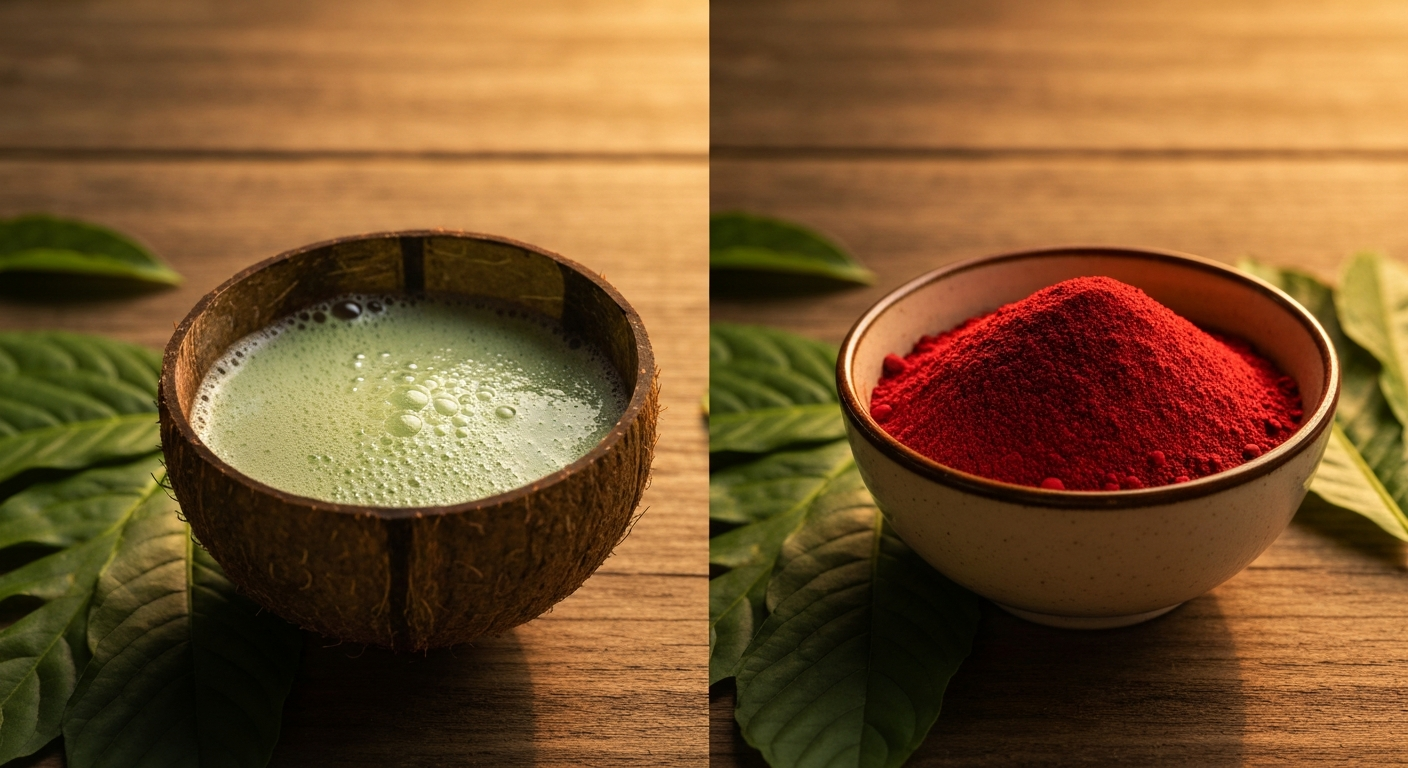
Traditional Kratom tea remains popular among those who appreciate the historical methods of preparation. Making tea involves steeping the powdered leaf in hot water for an extended period, sometimes with added flavorings like honey or lemon to improve the taste. Many users report that tea produces a smoother experience compared to taking powder directly. Some enthusiasts strain the liquid to remove particulate matter, while others embrace the full-bodied character that results from keeping the plant material in suspension.
Encapsulated Kratom offers another convenient option for those who prefer not to taste the powder at all. Empty capsules filled with measured doses allow for discreet and portable use without any preparation required. This method appeals particularly to individuals who need to use Kratom in social situations or workplace settings where discretion matters. The onset of effects may take slightly longer compared to other methods due to the time required for capsules to dissolve in the digestive system.
Exploring the Effects of Kratom
When you take Kratom, the effects typically begin within fifteen to thirty minutes regardless of the consumption method chosen. The duration of noticeable effects generally spans four to six hours, though this varies considerably between individuals based on factors like metabolism, stomach contents, and personal sensitivity. Understanding your own response pattern helps you plan usage more effectively and avoid timing-related frustrations.
People who use Kratom often describe the experience as encompassing multiple dimensions beyond simple comfort enhancement. Mood elevation and increased mental energy commonly feature in user reports, alongside the sought-after physical benefits. The balance between these effects depends significantly on the specific variety consumed, the amount taken, and individual biochemistry. Lower amounts tend to produce more stimulating results, while larger servings shift toward more pronounced calming characteristics.
The interaction between mitragynine and opioid receptors plays a central role in understanding how Kratom produces its characteristic effects. These receptors exist throughout the nervous system and participate in regulating how the body processes sensations and emotional states. The partial agonist activity of Kratom’s alkaloids creates a different response pattern compared to full receptor activation. Many users find this distinction meaningful when considering their options for managing daily challenges.
Kratom for Pain Relief: The Primary Appeal
The question that brings most people to explore Kratom centers on whether it can genuinely help with chronic pain management. Traditional use in Southeast Asian cultures has long included applications related to physical discomfort, and this historical precedent influences many modern users. While individual responses vary considerably, the consensus within many communities suggests that Kratom may offer meaningful support for those dealing with persistent discomfort.
Managing pain tolerance represents a complex challenge that extends beyond simply reducing sensations. Effective approaches often involve changing one’s relationship with discomfort rather than attempting to eliminate it entirely. Some people who use Kratom report that it helps them maintain perspective during difficult periods, allowing them to continue functioning despite ongoing challenges. This psychological aspect of pain management frequently proves as important as any direct effect on sensation itself.
Regular Kratom use often becomes a routine matter for those who find it beneficial. Establishing consistent timing and amounts helps maintain stable effects and allows users to plan their days around their usage schedule. Many experienced users develop a personal rhythm that maximizes benefits while minimizing the need for adjustments. Building this familiarity requires patience and careful attention to how your body responds over time.
Benefits of Kratom: What Users Report
The benefits of Kratom extend across several categories that matter to people seeking natural support for their well-being. Energy enhancement tops the list for many users, particularly with white and green vein varieties that produce more stimulating effects. This energy boost can help combat fatigue and improve productivity throughout the day, making it easier to maintain engagement with work and personal responsibilities.
Mood support represents another significant benefit that users frequently mention. Feelings of optimism, social comfort, and mental clarity often accompany Kratom use for many individuals. This mood enhancement occurs naturally through the plant’s interaction with brain chemistry rather than requiring artificial manipulation. The result often feels more sustainable and genuine compared to approaches that create artificial mood states.
Physical comfort benefits constitute the core reason many people explore Kratom in the first place. The analgesic properties attributed to Kratom stem primarily from its interaction with pain-related receptor systems in the body. Users report varying degrees of relief depending on their specific situations and the varieties they choose. Experimenting with different options often helps individuals discover what works best for their particular needs.

Chronic Pain and Natural Alternatives
Living with chronic pain creates challenges that extend far beyond the physical sensations themselves. Sleep disruption, mood difficulties, and reduced activity levels often accompany persistent discomfort, creating a cycle that proves difficult to break. Many people seeking alternatives have grown frustrated with conventional options and their limitations. This frustration drives exploration of natural approaches that might offer different benefits.
Kratom for pain relief presents an interesting option within the landscape of natural alternatives. Unlike pharmaceutical approaches, Kratom comes from a plant with centuries of traditional use in its native regions. This historical context provides comfort to some users who prefer botanical solutions over synthetic alternatives. The complex mixture of alkaloids found in Kratom leaves creates a nuanced effect profile that many find preferable to isolated compounds.
Managing chronic pain successfully requires attention to multiple factors beyond the sensation itself. Sleep quality, stress levels, physical activity, and social connection all influence how discomfort affects daily life. Many people who use Kratom report improvements across several of these areas simultaneously, suggesting that the benefits may extend beyond direct pain relief. This holistic improvement often proves more valuable than simply reducing one specific symptom.
Varieties of Kratom: Finding the Right Match
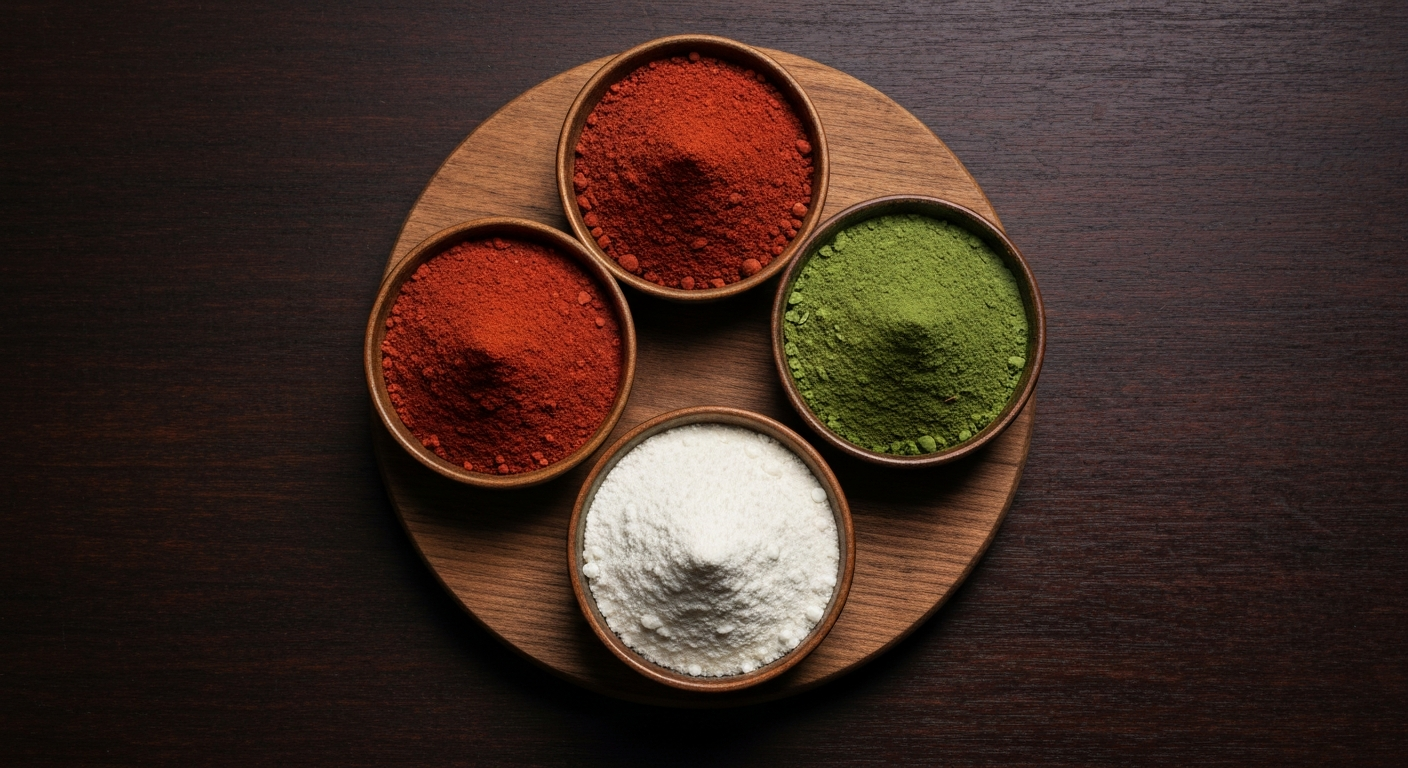
The world of Kratom offers remarkable diversity through its different varieties, each with distinct characteristics that suit different needs. Red vein Kratom generally provides the most pronounced comfort-related benefits, according to widespread user consensus. The relaxing properties of red strains make them particularly popular among those prioritizing pain management above other considerations. Deep, calming effects often accompany the physical benefits that red varieties provide.
Green vein Kratom occupies a middle ground that appeals to users seeking balanced effects. This variety typically offers moderate comfort enhancement alongside improved mental clarity and energy. Many beginners start with green strains because they provide access to benefits without overwhelming stimulation or sedation. The versatility of green Kratom makes it suitable for daytime use when alertness matters.
White vein Kratom leans toward energizing effects that many users find beneficial for morning routines and productivity tasks. While some people report that white varieties provide comfort benefits, the primary appeal lies in mental stimulation and physical energy. These strains work well for situations requiring focus and motivation, though comfort effects may be less pronounced compared to red options.
Maeng Da Kratom deserves special mention as one of the most recognized varieties available. Developed through selective cultivation techniques in Thailand, Maeng Da translates roughly to “pimp” in Thai, referring to its enhanced potency. Users often describe Maeng Da as particularly long-lasting and effective, making it a popular choice for experienced consumers seeking strong effects.
Bali Kratom, named for its Indonesian origins, represents another staple variety in the Kratom community. The thick, humid climate of Bali produces leaves with rich alkaloid content, resulting in powerful effects that many users appreciate. Bali varieties tend toward the relaxing end of the spectrum, making them suitable for evening use when comfort and calm take priority.
How to Use Kratom Effectively
Effective Kratom use begins with understanding proper dosing principles that minimize waste while maximizing benefits. Starting amounts typically range between two and four grams for most adults, though individual factors like body weight and tolerance influence optimal amounts. Taking too little may fail to produce noticeable effects, while excessive amounts can lead to diminished returns and unnecessary expenditure.
Waiting an adequate period between doses proves essential for accurate assessment of effects. Rushing to take more because initial amounts seemed insufficient leads to overconsumption and confusion about what actually works. Most experienced users recommend waiting a full two hours before considering additional amounts, as Kratom effects can build gradually rather than hitting all at once.
Health considerations when using Kratom primarily involve treating your body well during consumption periods. Staying hydrated supports proper absorption and helps prevent dry mouth that some users experience. Eating reasonably before consumption allows for comfortable digestion without interfering with absorption. Light meals often work better than heavy ones for those sensitive to food interactions.
Research on Kratom: What Science Tells Us
Scientific studies on Kratom have expanded considerably in recent years as interest in the plant has grown. Early research focused primarily on identifying and characterizing the alkaloids present in Kratom leaves, establishing the foundation for understanding its mechanisms. This basic phytochemical work revealed the complexity of Kratom’s composition and hinted at why it produces such varied effects.
More recent investigations have examined the pharmacological properties of Kratom’s primary compounds. Research into mitragynine’s interaction with various receptor types has clarified how this alkaloid produces its characteristic effects. Studies using animal models have provided insights into dose-dependent responses and the relationship between compound structure and function. This growing body of research helps inform understanding even as it reveals how much remains to be discovered.
The research landscape for Kratom faces several challenges that complicate efforts to draw definitive conclusions. Variability in plant material makes standardized study difficult, as alkaloid content fluctuates based on growing conditions, harvest timing, and processing methods. Human studies remain limited compared to basic laboratory research, leaving gaps in understanding about long-term effects and optimal usage patterns. Despite these challenges, researchers continue investigating Kratom’s properties and potential applications.

The Cultural Context of Kratom
Understanding Kratom’s cultural origins helps contextualize its modern use and significance. In Southeast Asian countries where the Mitragyna speciosa tree grows natively, Kratom leaves have been used for generations as part of daily life and traditional practices. Workers in agricultural regions often consumed Kratom during long hours of physical labor, valuing its energizing effects and comfort properties.
Traditional preparation methods varied by region and occasion, reflecting the diverse cultures that incorporated Kratom into their routines. Some communities favored fresh leaf consumption, while others developed sophisticated drying and processing techniques. The social dimensions of Kratom use included sharing among friends and family members, creating connections that extended beyond the plant’s direct effects.
Modern Kratom use carries echoes of these traditional patterns while adapting to contemporary contexts and preferences. The plant’s journey from regional specialty to global commodity involved adapting traditional knowledge to new formats and distribution channels. Users today benefit from this evolution even as they maintain connections to the historical practices that shaped Kratom’s reputation.
Building Your Kratom Knowledge
Developing expertise in Kratom requires patience and genuine curiosity about how it works and what it offers. Learning to identify quality products represents one of the most valuable skills for any Kratom user to develop. Vendor reputation, customer reviews, and product transparency all provide clues about what to expect from specific sources.
Experimenting carefully with different varieties helps you discover what works best for your particular needs and preferences. Keeping notes about your experiences with different strains, amounts, and preparation methods creates a personal reference database. This accumulated knowledge allows you to make informed decisions rather than relying on trial and error alone.
Understanding your own response patterns proves essential for consistent, effective use. Factors like time of day, recent food consumption, and general health status all influence how Kratom affects you. Developing awareness of these patterns helps you plan usage for maximum benefit while minimizing unnecessary experimentation.
Quality Considerations for Kratom Products
The marketplace for Kratom products includes options ranging from highly reputable to definitively problematic, requiring consumers to exercise discernment. Reputable vendors typically provide detailed information about their products’ origins, processing methods, and alkaloid content. Third-party testing results offer additional verification of quality and purity, though not all companies invest in this extra step.
Freshness matters significantly for Kratom powder, as alkaloid content can degrade over extended storage periods. Proper packaging and storage conditions help preserve product quality, with cool dark locations preferred for long-term storage. Visual inspection can reveal issues like clumping or unusual discoloration that may indicate improper handling.
Product sourcing deserves attention when evaluating Kratom options. The quality of leaves depends heavily on where and how they were grown, harvested, and processed. Indonesian Kratom, particularly from regions like Borneo and Sumatra, carries strong reputations based on favorable growing conditions and established processing traditions. Understanding these geographic factors helps inform purchasing decisions.
Getting Started with Kratom
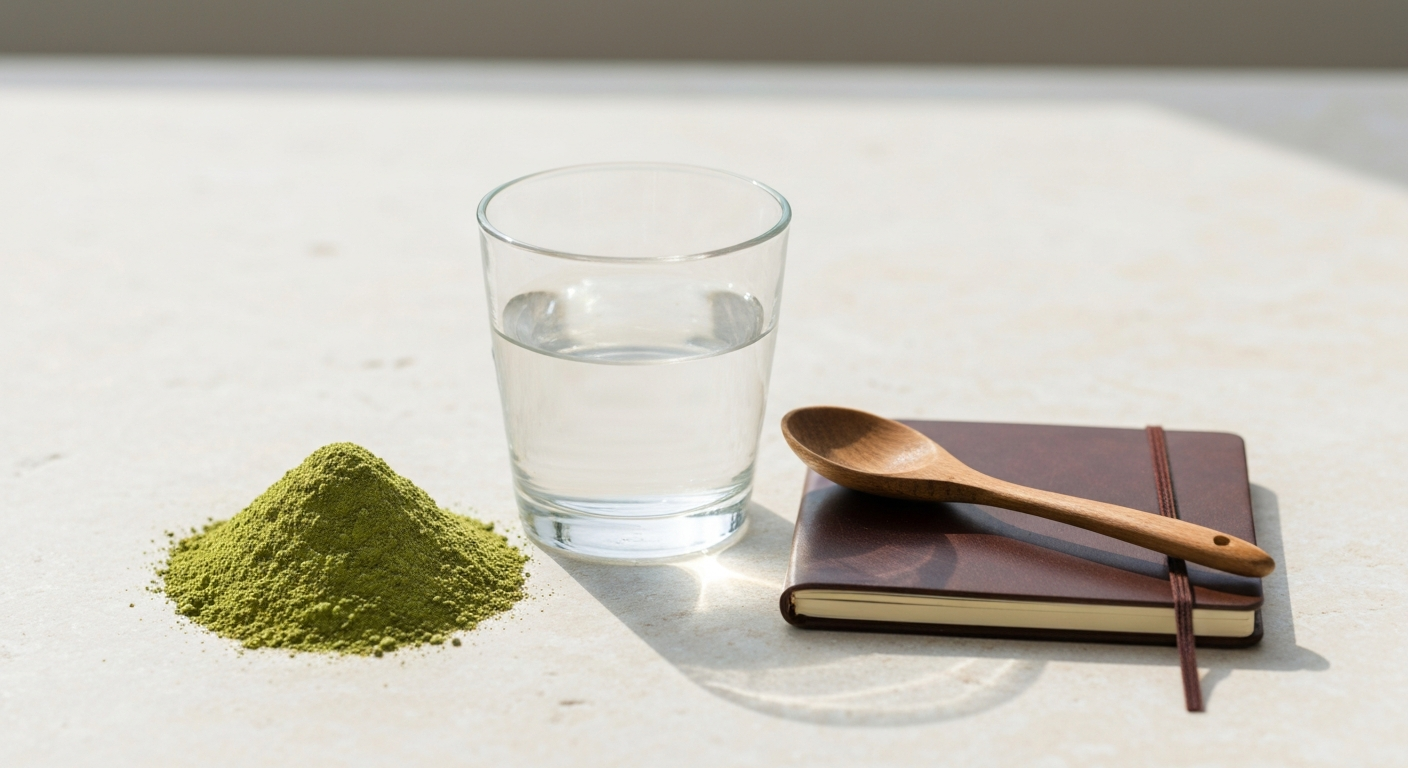
Beginning your Kratom journey requires a thoughtful approach that prioritizes learning and self-awareness. Starting with small amounts lets you assess your sensitivity and response pattern before committing to larger servings. Recording your experiences in a simple journal helps build understanding over time, creating a valuable reference for future decisions.
Selecting an initial variety requires considering your primary goals and personal preferences regarding effects. If comfort enhancement represents your main interest, exploring red vein options makes sense as a starting point. Those seeking balanced benefits might prefer green strains, while those prioritizing energy might start with white varieties.
Allowing adequate time for evaluation prevents premature judgments based on insufficient data. Your first experience with any variety may not represent its true character, as external factors can influence results. Multiple trials under different conditions provide a clearer picture of what each option truly offers.
Making the Most of Your Kratom Experience
Maximizing benefits from Kratom involves attention to several factors that influence your experience. Timing your use appropriately allows you to work with your natural energy patterns rather than against them. Morning use of energizing varieties complements most people’s natural rise from sleep, while relaxing strains may work better in afternoon or evening hours.
Combining Kratom with healthy lifestyle practices amplifies its potential benefits. Regular exercise, nutritious eating, and quality sleep all contribute to how effectively you manage daily challenges. Kratom works best as part of a comprehensive approach to well-being rather than as a standalone solution to complex problems.
Building tolerance gradually, if needed, allows you to maintain effectiveness over extended periods of use. Many experienced users find that consistent routines produce more stable effects than irregular consumption patterns. Some choose to take periodic breaks to refresh their sensitivity, while others maintain stable usage indefinitely without apparent issues.
Frequently Asked Questions
Which Type of Kratom Is Best for Pain Relief?
Red vein varieties consistently receive the most recommendations for comfort-related purposes among the Kratom community. Strains like Red Bali, Red Borneo, and Red Thai tend to produce the most pronounced relaxing effects that users associate with pain management. However, individual responses vary considerably, and some people find better results with green vein options that provide more balanced effects. Experimenting with different red strains while keeping notes helps identify which specific variety works best for your needs.
What’s Better for Pain, CBD or Kratom?
Comparing these two options involves considering their fundamental differences in origin, effects, and user preferences. CBD comes from hemp plants and produces effects through different mechanisms than Kratom’s alkaloids. Some users prefer CBD’s non-psychoactive profile, while others appreciate Kratom’s more pronounced effects on comfort and mood. Both options have their advocates, and determining which suits you better often requires personal experimentation with each.
Is Kratom Legal in Canada?
Kratom availability and regulations vary significantly between countries, and prospective users should verify the current status in their specific location. Canadian regulations regarding botanical substances continue evolving, making direct verification essential before obtaining or using any products. Local vendors can often provide guidance about current compliance requirements in your area.
What Does Kratom Feel Like?
The Kratom experience encompasses several dimensions that users commonly describe. Comfort and relaxation typically feature prominently, along with mood enhancement and mental clarity. Energy levels often increase at lower amounts and shift toward calmness at higher amounts. The overall character of each experience depends heavily on the specific variety consumed, the amount taken, and individual factors like metabolism and tolerance.
How Long Does Kratom Take to Work?
Most people feel initial effects within fifteen to thirty minutes of consumption, regardless of the method used. Taking Kratom with food may delay the onset slightly compared to taking it on an empty stomach. The peak effects typically occur around one to two hours after consumption, with overall duration spanning four to six hours for most people.
Can Beginners Use Kratom for Comfort Enhancement?
Absolutely, many beginners successfully use Kratom and report meaningful benefits from their first experiences. Starting with a small amount, typically two to three grams, allows new users to assess their sensitivity safely. Green vein varieties offer a balanced introduction for those unsure whether to start with energizing or relaxing options. Taking time to evaluate effects before considering additional amounts prevents common beginner mistakes and builds foundation knowledge for future use.
—
Understanding Kratom for pain relief involves recognizing both its potential benefits and its limitations. The plant offers a unique combination of properties that many people find valuable for managing daily challenges. By approaching Kratom with curiosity, patience, and attention to your own responses, you can develop a usage pattern that supports your specific goals. Whether you’re exploring it for the first time or refining your existing practice, the information in this guide provides a foundation for making informed decisions about Kratom use.