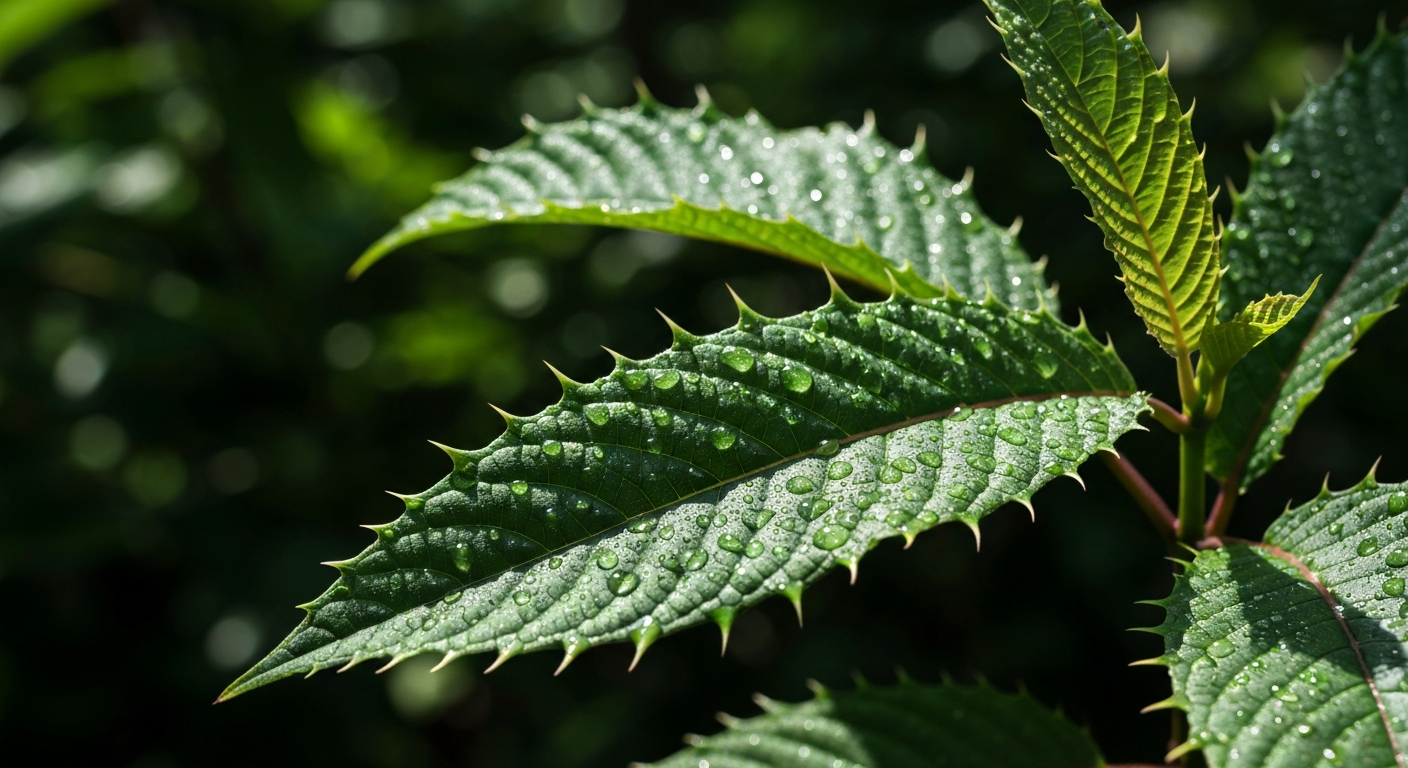
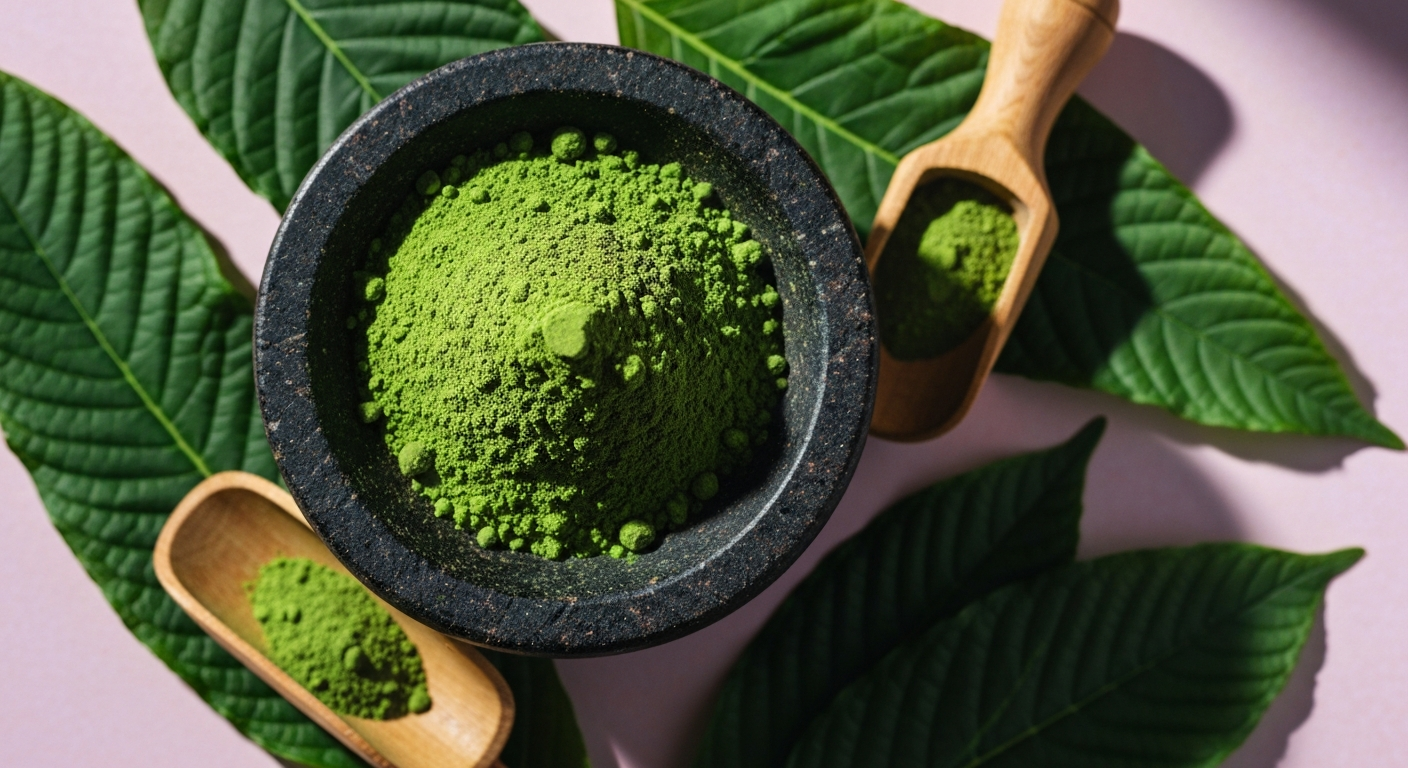
Kratom comes from the leaves of the Mitragyna speciosa tree, a tropical evergreen native to Southeast Asia. For centuries, people in countries like Thailand have harvested the leaves of this tree and used them in various forms. Today, millions of people around the world explore different varieties of this botanical, and understanding the distinctions between them can make a real difference in your experience.
The term “kratom strain” refers to the specific type of product distinguished by the color of the leaf veins, where it was grown, and how it was processed. Each strain offers its own unique character, which is why finding the right one often comes down to knowing what you’re looking for. This guide will walk you through everything you need to understand about these different varieties so you can make an informed choice.
What Makes Kratom Strains Different
The world of different strains might seem overwhelming at first, but the basics are straightforward. The primary factors that distinguish one strain of Kratom from another are the color of the leaf veins, the growing region, and the harvesting methods used. These elements combine to create products with noticeably different properties.
The leaf of the Kratom tree contains compounds called alkaloids, with Mitragynine and 7-Hydroxymitragynine being the most prominent. These alkaloids are what give each strain its distinctive character. The concentration and balance of these compounds vary depending on the age of the leaf, the soil conditions, and when it was harvested.
Climate and geography play enormous roles as well. The same variety grown in different regions can develop different alkaloid profiles. This is why you’ll see products named after places like Bali, Thai, or Malay – the origin matters when it comes to the final product.
Understanding these fundamentals helps you navigate the many options available. Whether you’re new to exploring Kratom or looking to refine your choices, knowing what creates these differences is your starting point.
The Three Main Vein Colors Explained
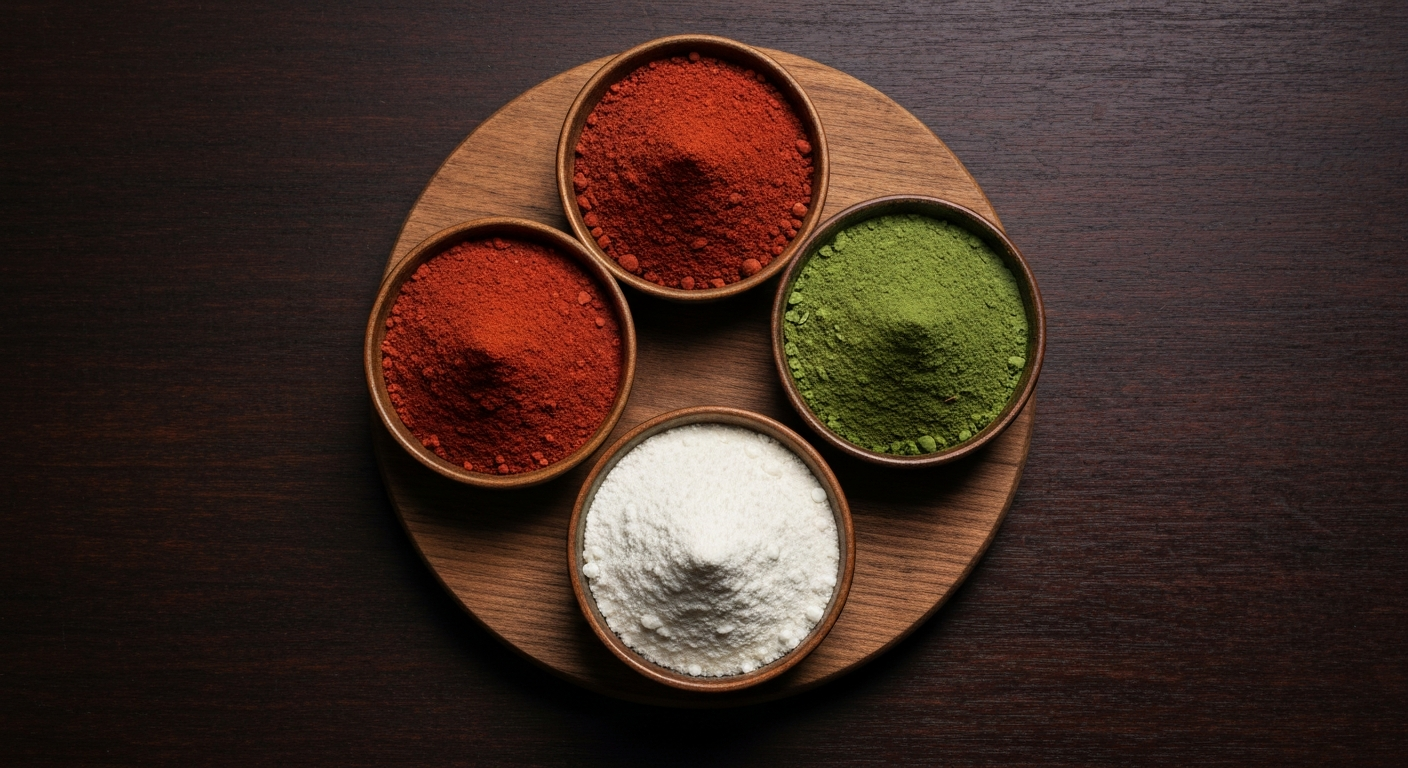
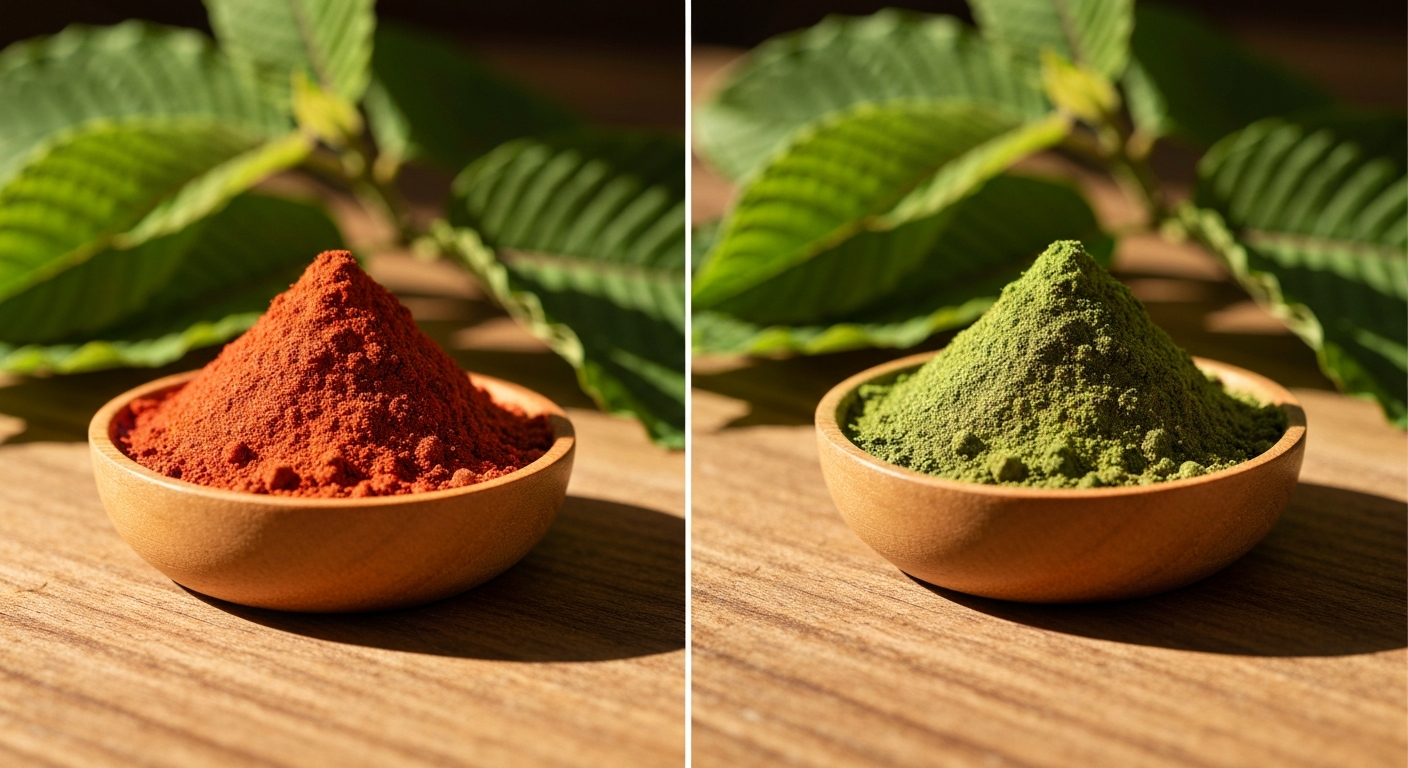
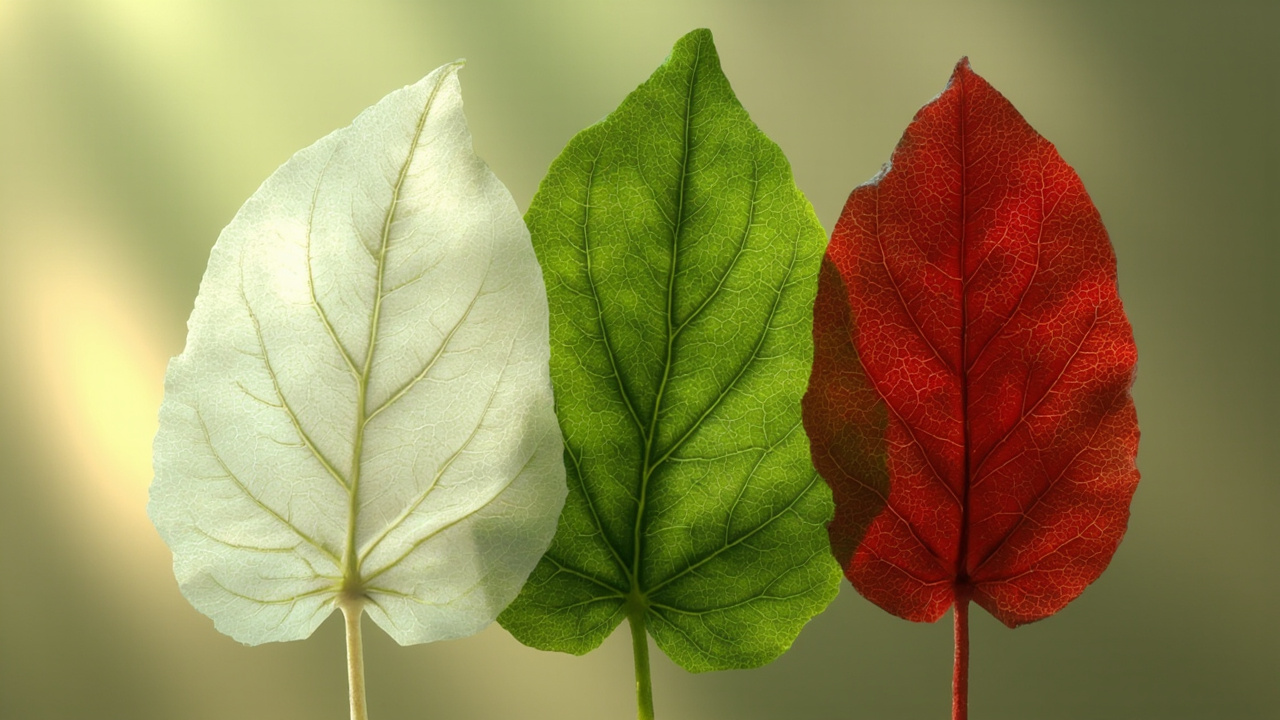
When you browse for Kratom products, you’ll quickly notice that most options fall into three main categories based on leaf vein color. These are white vein, red vein, and green vein varieties. Each has earned its reputation among Kratom users for different reasons.
The vein color indicates when the leaves were harvested during their growth cycle. Younger leaves tend to have lighter veins, while more mature leaves develop darker coloration. This timing affects the alkaloid content and ratio, which in turn influences the overall experience.
White vein strains generally come from younger leaves. They’re often associated with brighter, more uplifting effects. Red vein varieties are harvested later and are typically known for their more grounding qualities. Green vein strains fall somewhere in between, offering a balance that many users find appealing.
This three-category system forms the foundation of understanding Kratom strains. Once you grasp how vein colors work, comparing products becomes much simpler.
White Vein Kratom Characteristics
White vein Kratom has earned considerable popularity among those seeking an energetic experience. The bright, motivating qualities of white strain products make them a common choice for morning use or during demanding tasks.
The alkaloid profile of white vein Kratom tends to feature higher levels of certain compounds that support alertness and mental clarity. Users often report feeling more focused and ready to tackle their day after using these products. This makes white vein a staple for many people building their routine.
Popular white vein options include White Malay, White Thai, and various White Maeng Da varieties. Each of these brings its own subtle nuances while maintaining the core white vein characteristics. The growing location can shift the experience just enough that trying different origins becomes worthwhile.
White vein products work well for social situations, creative projects, or whenever you need an extra push. Many users keep white strains on hand specifically for those occasions when motivation matters most. The versatility of these products explains why they remain consistently popular.
Red Vein Kratom Overview
Red vein Kratom represents the other end of the spectrum, offering qualities that many users find deeply satisfying for evening relaxation. These strains are harvested from more mature leaves, which accounts for their distinct alkaloid composition.
The red vein category includes beloved varieties like Red Bali, Red Malay, and Red Maeng Da. Red Bali, in particular, has become one of the most widely available and frequently purchased options worldwide. Its reputation for providing a calm, settled experience makes it a go-to for many.
People gravitate toward red vein Kratom when they want to wind down after a long day. The soothing qualities of these strains pair well with quiet evenings at home, relaxation rituals, or moments when you simply want to feel at ease. The effects tend to be longer-lasting compared to some other options.
For those prioritizing relaxation and tranquility, red vein varieties deserve attention. The warm, mellow character of these strains has secured their place as favorites among experienced users and newcomers alike. Building your personal collection often means keeping at least one red vein option available.
Green Vein Kratom and Its Balance
Green vein Kratom occupies a special position as the middle ground between white and red varieties. If you’re looking for something that bridges the gap, green strains often deliver exactly that balance.
The green vein experience tends to be smoother and less pronounced in either direction. Users report feeling neither overly stimulated nor heavily sedated, instead experiencing a gentle equilibrium that works across many situations. This adaptability makes green strains incredibly practical.
Green Malay and Green Thai rank among the most sought-after green vein options. Green Malay in particular has built a loyal following thanks to its smooth character and reliable performance. Many users find it works well throughout the entire day without pushing them in any single direction too strongly.
Newcomers often appreciate green strains because they offer a gentle introduction to what Kratom can do. The balanced nature reduces the chance of encountering effects that feel too intense in either direction. This makes green vein an excellent starting point for your journey.
Popular Strains and What Makes Them Stand Out
Beyond vein colors, specific strains have developed their own reputations based on origin, potency, and unique characteristics. Understanding these individual varieties helps you make more targeted choices.
Maeng Da Kratom
Maeng Da Kratom originates from Thailand and has become one of the most recognized names in the world of Kratom. The term “Maeng Da” actually translates to “pimp” in Thai, which speaks to its reputation for being particularly robust. This strain is often cultivated specifically for higher alkaloid content.
White Maeng Da offers energetic effects, Green Maeng Da provides balance, and Red Maeng Da delivers relaxation. The Maeng Da label consistently indicates a product designed for stronger, more pronounced effects. Experienced users frequently seek out Maeng Da when they want something with real impact.
The cultivation practices used for Maeng Da also set it apart. Growers often use specialized techniques to enhance the alkaloid concentration, resulting in products that many consider among the best Kratom available. This extra effort justifies the premium positioning in the market.
Bali Kratom
Bali Kratom takes its name from the Indonesian island famous for its rich agricultural traditions. Despite its name, much of what gets labeled as Bali Kratom actually comes from surrounding Indonesian regions, but the name has stuck as a identifier for this particular style.
Red Bali Kratom dominates the market for this variety, offering deeply relaxing effects that have made it a bestseller for years. The mellow, comfortable character of Bali strains makes them ideal for evening use or whenever you need to decompress. The consistent availability of Bali products also adds to their appeal.
New users often find Red Bali to be approachable and satisfying. The effects are noticeable without being overwhelming, and the quality tends to be reliable across different suppliers. These factors have cemented Bali’s status as a cornerstone variety.
Thai Kratom
Thai Kratom carries the heritage of the region where Kratom has the longest history of traditional use. Thai varieties come in all three vein colors, each bringing something slightly different from Thai growing conditions and cultivation traditions.
White Thai tends toward energizing effects, Green Thai offers balanced qualities, and Red Thai provides relaxation. The Thai origin often correlates with distinct flavor profiles that experienced users learn to recognize. The cultural connection to traditional Thai use adds another layer of meaning for many.
Exploration of Thai strains rewards those willing to try different vein colors from this origin. The subtle variations between white, green, and red Thai can help you understand what specific qualities you value most.
Malay Kratom
Malaysian Kratom, particularly Green Malay, has carved out its own devoted following. Green Malay is celebrated for its long-lasting effects and smooth character, making it suitable for extended use throughout the day.
The climate and soil conditions in Malaysia produce leaves with a unique alkaloid profile. Users often report that Malay strains feel especially clean and refined. The moderate potency also means fewer issues with overwhelming effects.
Green Malay deserves particular attention if you’re seeking something that performs well over many hours. The durability of its effects sets it apart from varieties that peak quickly and fade. This makes it practical for demanding days or extended activities.
Understanding Strain Names and Marketing
The naming conventions for Kratom can feel confusing, especially when the same product gets labeled differently across vendors. Learning to interpret these names helps you shop more effectively.
Most strain names combine the vein color with an origin, like Red Bali or White Malay. This tells you both the harvest timing (through the vein color) and the growing region (through the place name). Together, these bits of information predict the general character of the product.
Some vendors add creative marketing names to distinguish their offerings. Phrases like “premium,” “gold,” or “reserve” typically indicate higher quality leaves or special processing. While these labels aren’t standardized, they often signal that extra care went into production.
The most reliable approach involves learning which combinations work for you through direct experience. Building familiarity with your preferred origins and vein colors creates a personal framework that no marketing can replace.
How to Choose the Best Kratom Strain for Your Needs
Finding the right variety comes down to understanding your own goals and preferences. No single strain works best for everyone, which is why exploring different options matters.
Start by asking what you’re hoping to achieve. If energy and focus rank highest, white vein strains deserve attention. For relaxation and calm, red varieties make more sense. When you want something in between, green strains provide that middle path.
Consider when you’ll typically use the product. Morning use calls for energizing strains, while evening hours work better with relaxing varieties. Many users keep multiple strains on hand to match their needs throughout the day.
Your experience level also matters. Beginners often benefit from starting with balanced green strains or milder red varieties like Red Bali. These allow you to gauge your response without diving into the most intense options immediately.
Think about how you’ll consume the product. Some strains work particularly well in tea form, while others suit capsules or other methods. Your preferred consumption style might influence which varieties seem most appealing.
Finally, don’t be afraid to experiment systematically. Trying one white, one green, and one red variety from the same origin helps you isolate what vein colors contribute. Then you can experiment with origins while holding vein colors constant. This methodical approach accelerates your learning.
Practical Tips for Kratom Users
Getting the most from your Kratom experience involves more than just selecting the right variety. A few practical considerations can significantly improve your results.
Quality matters enormously. Look for vendors who provide third-party testing information and clear sourcing details. The best Kratom comes from farms that pay attention to growing conditions, harvest timing, and proper processing methods. These factors show up in the final product.
Storage affects freshness. Keep your products in a cool, dark place sealed tight. Heat, light, and air exposure degrade the alkaloids over time. Proper storage extends the useful life of your purchase considerably.
Starting low remains wise advice regardless of your experience level. You can always consume more if needed, but you can’t undo taking too much. Finding your minimum effective dose through careful experimentation serves you better than pushing for maximum effects.
Rotate your strains periodically. Using the same variety every day can lead to reduced responsiveness over time. Switching between different strains helps maintain the effectiveness of each one. Many experienced users cycle through several favorites on a regular schedule.
Pay attention to how different foods affect your experience. Taking Kratom on an empty stomach typically produces faster, more noticeable effects. A light meal beforehand can moderate the experience if you’re concerned about intensity.
The Role of Alkaloids in Your Experience
The compounds responsible for Kratom’s effects are called alkaloids, and understanding them helps explain why different strains feel different. The two most significant are Mitragynine and 7-Hydroxymitragynine.
Mitragynine serves as the primary alkaloid in most Kratom varieties, making up a significant percentage of the total alkaloid content. This compound interacts with receptors in the body in ways that produce the characteristic Kratom experience. The concentration of Mitragynine varies considerably between strains.
7-Hydroxymitragynine, while present in smaller quantities, carries significant influence over the overall experience. This alkaloid appears in higher concentrations in certain varieties, particularly those harvested at specific times. The ratio between these two alkaloids partly explains why strains feel distinct from each other.
Over twenty different alkaloids have been identified in Kratom leaves, each contributing subtle variations to the overall effect. This complexity explains why the same variety can feel slightly different depending on growing conditions and harvest timing. It also means that even experienced users continue discovering nuances.
Research into alkaloid composition continues to expand our understanding. As knowledge grows, the ability to predict strain characteristics based on chemical profiles should improve. For now, personal experience remains the best guide to how specific varieties affect you.
Comparing Vein Strains Side by Side
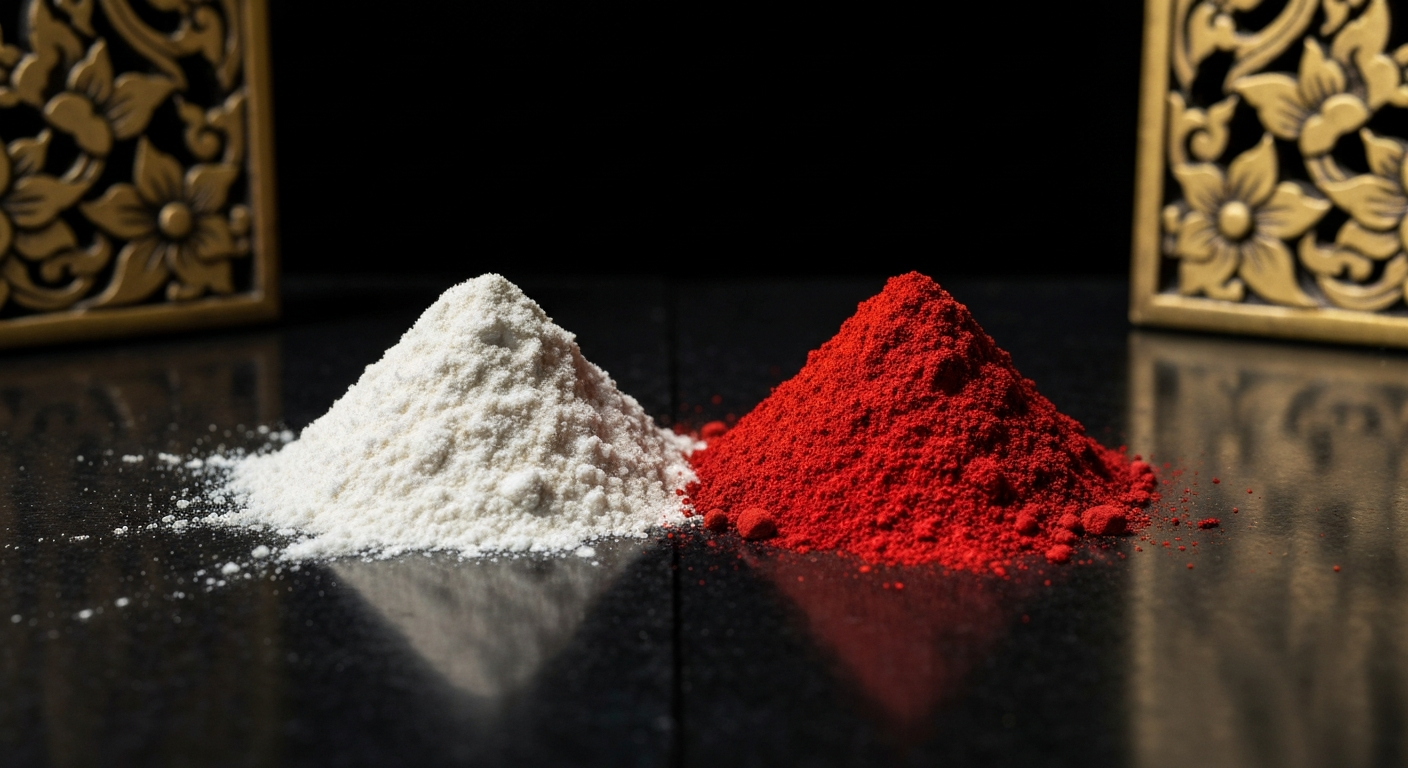
A direct comparison helps clarify the distinctions between the three main vein types. While individual responses vary, general patterns emerge consistently across user reports.
White vein strains typically provide the most stimulating experience among the three. Users report increased alertness, mental clarity, and physical energy. These qualities make white strains popular for physical activities, demanding work, or social situations requiring alertness.
Green vein strains deliver a middle experience that most users describe as balanced. The energizing qualities of white strains and the relaxing qualities of red strains both appear in gentler form. This makes green strains versatile enough for various situations throughout the day.
Red vein strains offer the most pronounced relaxing and sedating qualities. Users often report feelings of calm, comfort, and contentment. These strains work exceptionally well during evening hours or whenever relaxation becomes the priority.
The intensity of these general characteristics varies between specific strains. A Red Maeng Da might feel more potent than a standard Red Bali, while still both being red vein varieties. The vein color sets the foundation, while the origin and processing add detail.
Building Your Personal Strain Collection
Many enthusiasts eventually build a small collection of different varieties to match their varying needs. Having options available lets you select the right tool for each situation.
A practical starter collection might include one energizing white strain, one balanced green strain, and one relaxing red strain. This gives you coverage across the full spectrum of effects without requiring extensive experimentation. You can refine from this foundation based on what resonates with you.
As you explore, pay attention to which specific varieties become your favorites. Your personal top picks often emerge clearly once you’ve tried enough options. These favorites deserve a permanent place in your collection.
Consider adding specialty strains occasionally. Limited edition varieties or rare origins can introduce you to qualities you didn’t know you were missing. Even if they don’t become everyday staples, they expand your understanding of what’s possible.
Organize your collection clearly so you can identify each strain easily. Nothing frustrates more than forgetting which variety is which when you want something specific. Clear labeling and consistent storage methods prevent this problem.
Kratom Preparation Methods and Their Influence
How you prepare your Kratom affects the overall experience, independent of which strain you choose. Different methods suit different situations and preferences.
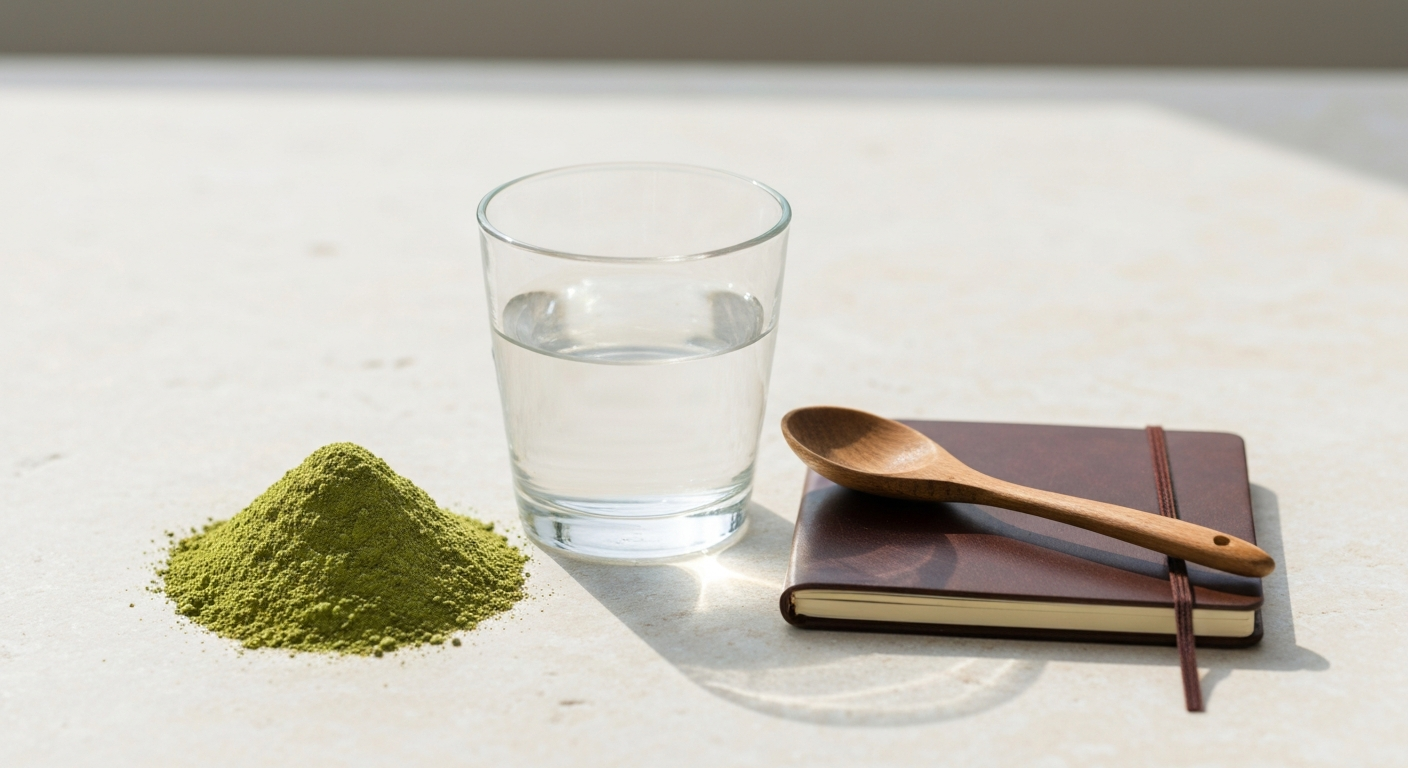
Traditional tea preparation remains popular because it extracts the alkaloids efficiently while creating a pleasant beverage. Brewing Kratom leaf or powder in hot water for fifteen to twenty minutes releases most of the available alkaloids. The resulting tea can be consumed plain or sweetened to taste.
Toss-and-wash involves measuring your dose and consuming it directly with a beverage to wash it down. This method gets the product into your system quickly but requires comfort with the distinctive taste of Kratom. Many experienced users prefer this straightforward approach.
Capsules offer the most convenient option, especially for on-the-go use. Pre-measured capsules eliminate guesswork and sidestep the taste issue entirely. The trade-off involves waiting slightly longer for effects compared to other methods, as the capsules need time to dissolve.
Mixing powder into foods or drinks provides another option. Yogurt, applesauce, or smoothies can mask the flavor while delivering the full dose. This approach works well for those who dislike the taste but want faster onset than capsules provide.
Getting Started with Confidence
Approaching Kratom for the first time doesn’t need to feel intimidating. Armed with basic knowledge about strains and their characteristics, you can begin exploring with confidence.
Remember that everyone’s response to Kratom differs somewhat. Your ideal strains might not match what works for others, and that’s completely normal. Use general guidance as a starting point, then trust your own observations as you build experience.
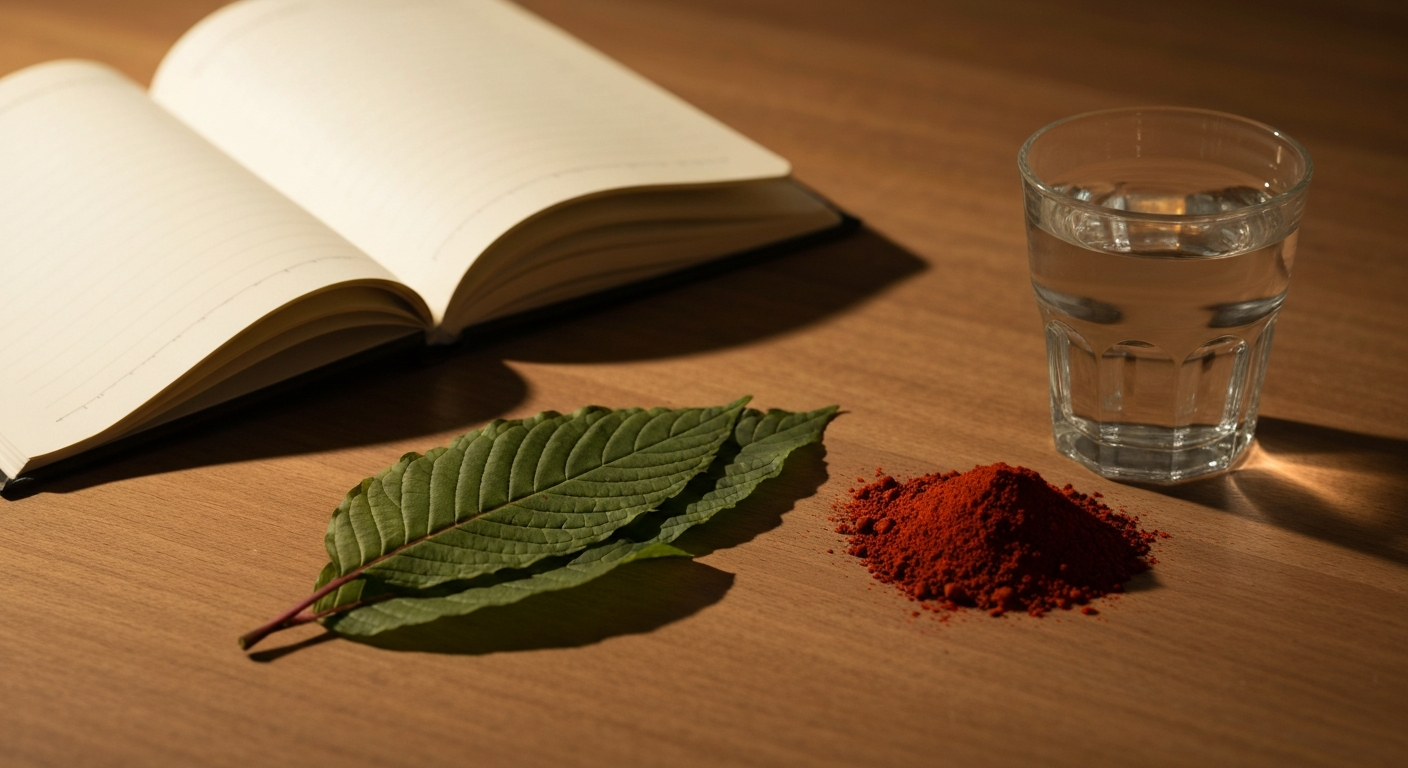
Take notes on what you try and how it affects you. Recording the strain, dose, time, and your resulting experience creates a valuable reference for future decisions. Patterns in your own responses will emerge over time that no general advice can provide.
Be patient with the process. Finding your best strains might take several tries, but the journey itself builds knowledge that serves you well. Each experience teaches something about your own preferences and reactions.
The world of Kratom offers rich variety and genuine utility for those who approach it thoughtfully. Understanding strains represents your foundation for making choices that align with your needs and goals.
Frequently Asked Questions
What Is the Best Kratom Strain for Beginners?
Green Malay and Red Bali frequently get recommended for beginners because of their balanced, approachable character. Green strains also make excellent starting points since they offer moderate effects in both energizing and relaxing directions. Beginning with smaller doses and gradually finding your comfortable range helps build a positive foundation.
How Do White, Green, and Red Vein Kratom Differ?
White vein Kratom comes from younger leaves and tends toward energizing effects. Red vein varieties come from more mature leaves and lean toward relaxation. Green vein Kratom falls between these two, providing a middle experience that combines elements of both. The vein color indicates harvest timing, which directly influences the alkaloid profile.
Which Kratom Strain Is Most Popular?
Red Bali consistently ranks among the most popular varieties worldwide. Its reputation for reliable, satisfying relaxation effects has made it a staple for both new and experienced users. Red Maeng Da and Green Malay also command significant followings for their respective qualities.
How Long Do Kratom Effects Last?
Most users report that effects begin within thirty to forty-five minutes and last between four and six hours. Green strains often provide longer-lasting effects than white or red varieties. Individual metabolism, stomach contents, and tolerance levels all influence duration significantly.
Can I Mix Different Kratom Strains?
Many users combine different varieties, often called “strain mixing” or “blending.” This practice lets you customize the balance between energizing and relaxing qualities. Starting with smaller amounts of each strain when experimenting helps you find combinations that work well for your needs.
What Does Maeng Da Mean?
Maeng Da is a Thai term that translates roughly to “pimp” or “pimp’s grade,” historically indicating the highest quality. In the context of Kratom, Maeng Da refers to strains specifically cultivated for enhanced potency and distinctive character. White, green, and red Maeng Da varieties exist, each offering the signature Maeng Da intensity within their vein color category.