When you buy any botanical product, you want to know exactly what you’re getting. Lab tested Kratom gives you that peace of mind. It tells you the product has been examined by trained professionals in a controlled setting, with results showing what’s actually inside that capsule or powder. This matters because the quality of Kratom can vary widely depending on where it comes from, how it’s harvested, and how it’s processed after leaving the tree.
Lab testing has become a standard expectation among informed Kratom consumers. People who take the time to understand what goes into their Kratom purchase often specifically seek out products that have been verified by independent laboratories. They want confirmation that what they’re putting in their bodies meets certain standards for purity and potency.
What Exactly Is Lab Tested Kratom?
Lab tested Kratom refers to any Kratom product that has undergone scientific analysis at an accredited facility. This testing looks at several important factors that affect quality and safety. The laboratory uses specialized equipment to examine the botanical material and determine its exact composition.
A typical testing panel will check for things like alkaloid content, specifically mitragynine, which is the primary active compound in Kratom leaf. The testing also screens for potential contaminants that could be present from the growing environment, processing, or packaging. This comprehensive approach gives consumers a clear picture of what they’re purchasing.
The testing process involves taking samples from batches of Kratom and running them through various analytical methods. High performance liquid chromatography, for example, can separate and measure the different alkaloids present in a sample. This allows the laboratory to quantify exactly how much mitragynine is in the product, which directly relates to its potency.
Different forms of Kratom go through the same testing process. Whether you’re buying loose powder, capsules, or extracts, reputable vendors apply the same quality standards across their entire product line. This consistency matters because consumers should expect the same level of verification regardless of which product type they prefer.

Why Testing Matters for Kratom Quality
Kratom comes from the Mitragyna speciosa tree, a tropical plant native to Southeast Asia. The tree thrives in warm, humid climates, and most of the world’s supply originates from Indonesia and surrounding regions. Understanding this origin helps explain why testing is so important.
When Kratom is cultivated, it absorbs nutrients and compounds from the soil where it grows. This is completely normal for any plant. However, soil can contain various substances that we don’t want in our final product. Heavy metals like lead can occur naturally in some soils, and testing ensures that any Kratom product stays within safe, acceptable limits for these elements.
The environment where Kratom grows also affects the final product in other ways. Different regions produce Kratom with varying alkaloid profiles, which is why you see different strains available. A strain might be named after the area where the leaves were harvested, like Bali, Borneo, or Maeng Da. Each region tends to produce Kratom with slightly different characteristics, and this is part of what makes testing so valuable.
Lab testing confirms that the Kratom you’re buying actually contains the alkaloids it should have. This is especially important when you’re trying a new strain or switching vendors. The mitragynine content can vary significantly between batches, even from the same vendor. Knowing the exact potency helps you make informed decisions about dosing and lets you compare products more effectively.
What Comprehensive Kratom Testing Involves
A thorough testing protocol looks at multiple aspects of the product. The laboratory examines the sample for both its desirable and undesirable contents. This dual approach ensures you’re getting quality Kratom without harmful contaminants.
Potency and Alkaloid Analysis
The most important test for most consumers is the potency analysis. This measures the concentration of key alkaloids, with mitragynine being the primary target. The laboratory will report the exact percentage of mitragynine found in the sample, giving you precise information about product strength.
Mitragynine is just one of many alkaloids found in Kratom leaf, but it’s the most abundant and studied. A complete alkaloid profile shows the full picture of what the product contains. Some laboratories test for specific secondary alkaloids as well, giving you a more complete understanding of the product’s composition.
Knowing the potency helps you use the product more effectively. If one batch tests higher than another, you can adjust accordingly. This takes much of the guesswork out of using Kratom and helps ensure a more consistent experience over time.
Contaminant Screening
Contaminant screening looks for things that shouldn’t be in your Kratom product at all. This includes microbial contaminants like coliform bacteria, which can indicate improper handling or processing. A clean bill of health on microbial testing means the product was processed under appropriate conditions.
Salmonella testing is particularly important for botanical products. These can sometimes be present in plant material if proper hygiene isn’t maintained during harvest and processing. Laboratories use sensitive methods to detect even trace amounts, ensuring the product is safe for consumption.
Yeast and mold testing rounds out the microbial screening. These organisms can grow in Kratom if it’s stored improperly or processed in unsanitary conditions. Good testing protocols check for a wide range of potential microbial issues.
Heavy Metal Testing
Heavy metals require their own specialized testing protocol. The laboratory uses extremely sensitive instruments to detect metals that might be present in trace amounts from the soil where the Kratom was grown.
Lead is one of the most commonly tested heavy metals, along with arsenic, cadmium, and mercury. While these metals occur naturally in soil everywhere, the levels can vary significantly depending on geographic location. Testing confirms that whatever was absorbed by the Kratom tree falls within acceptable parameters.
This type of testing matters because长期 exposure to elevated heavy metal levels is something we all want to avoid. Lab tested Kratom products demonstrate that the vendor takes this responsibility seriously and won’t sell products with concerning metal content.
Reading and Understanding Test Results
When a vendor provides test results, they should give you clear, readable documentation. Look for reports that show the specific tests performed, the methods used, and the exact results. Vague statements like “lab tested” without actual data to back them up aren’t particularly useful.
Good test results will show the acceptable limits for each compound tested. For potency, this means the actual measured value. For contaminants, it means either a numeric result or a statement that the product falls below the detection limit. Both are acceptable as long as the limits are reasonable.
The date of testing matters too. Kratom is a natural product, and its properties can change over time. Recent test results are more relevant than outdated ones. Most reputable vendors will have current testing for all their active products.
Some vendors provide direct links to certificates of analysis, while others include QR codes on packaging that lead to the test data. Either approach makes it easy for you to verify what you’re buying. If a vendor makes testing claims but doesn’t provide easy access to the actual results, that should raise some questions.
Finding Lab Tested Kratom in Canada
Canadian consumers have access to quality Kratom products, including those that have been thoroughly tested. When you buy Kratom in Canada, look for vendors who make their testing information readily available. The Canadian market has seen growing demand for verified, premium Kratom products.
Many established vendors ship throughout Canada and understand the specific needs of Canadian customers. They know that transparency about testing builds trust and loyalty. Look for vendors who treat testing as a standard practice rather than an exception or marketing gimmick.
The Kratom community in Canada has become increasingly knowledgeable about testing standards. Online forums and discussion groups often share information about which vendors provide reliable test data. This community knowledge complements the information provided directly by vendors.
When evaluating a potential vendor, check whether they provide comprehensive test results for every batch they sell. Some vendors test only occasionally, while others test every single batch. Consistent testing across all products shows a deeper commitment to quality assurance.
What Makes a Quality Kratom Vendor
Beyond testing, several factors indicate a quality Kratom vendor. Look for companies that source their products responsibly and can tell you where their Kratom comes from. Since the best Kratom originates from Southeast Asia, vendors with direct relationships with farmers or cooperatives in Indonesia often have better control over quality from harvest through shipping.
Transparency in packaging and labeling also matters. Premium Kratom products typically include batch numbers that allow you to trace back to specific test results. This creates a paper trail connecting the product in your hand to the laboratory findings.
Good vendors will happily answer questions about their testing procedures. They might explain which laboratory they use, what tests they perform, and how often they conduct testing. This willingness to be open about their processes is a good sign that the testing they claim to perform is real and meaningful.
Customer service quality often correlates with product quality. Vendors who care about what they sell will care about supporting their customers. They might provide guidance on choosing strains or help you understand test results. This level of service suggests they view customers as people to help rather than just transactions to complete.
Different Forms of Tested Kratom
Lab testing applies to all forms of Kratom you might encounter. Loose powder, capsules, and other preparations should all meet the same standards if the vendor is doing things right.
Powder and Leaf
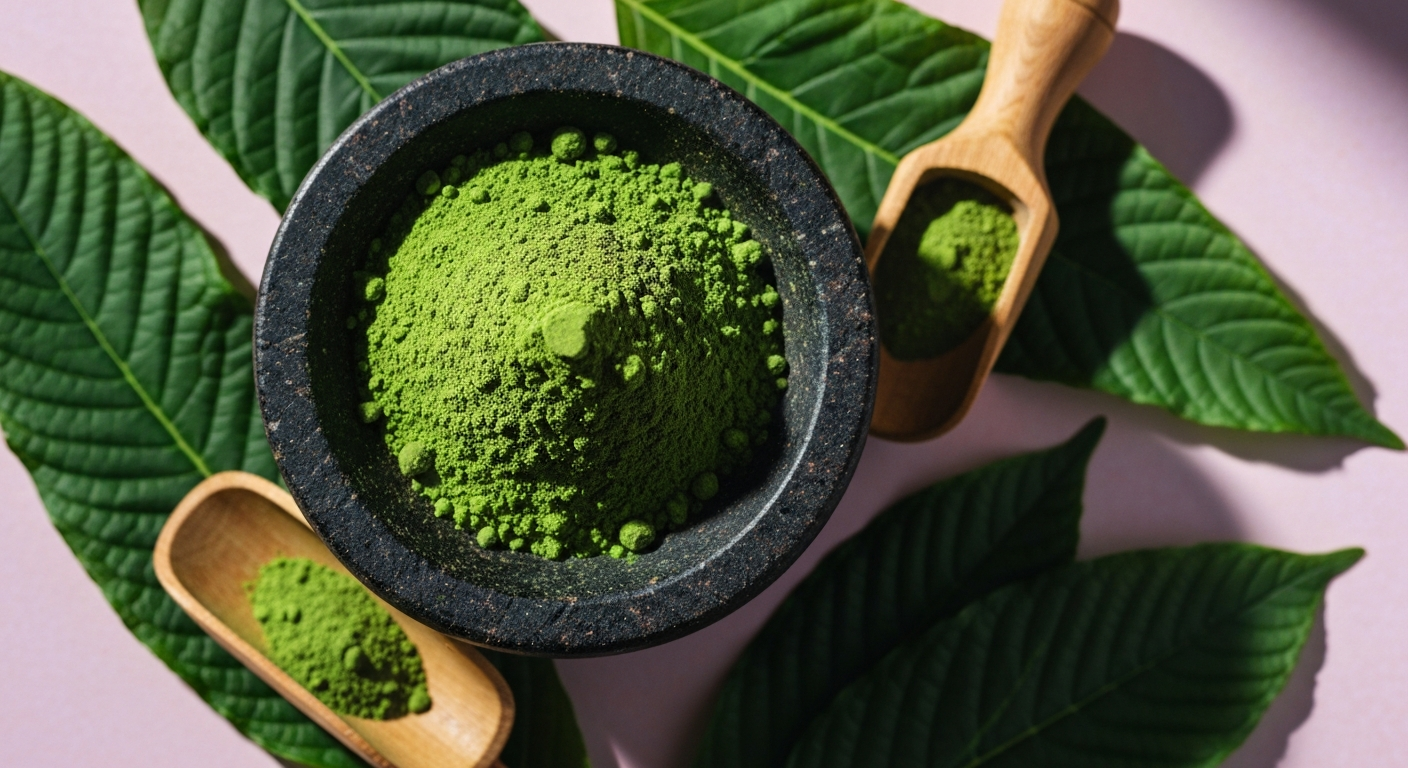
Loose Kratom powder represents the most traditional form of the product. The dried and ground leaf can be mixed into beverages or taken in other ways. Testing for powder products examines the ground leaf material directly, giving you clear information about the base product.
Some consumers prefer to buy whole leaf and prepare it themselves. While this is less common, it remains an option. The same testing standards apply regardless of whether you’re buying prepared powder or whole leaf material.
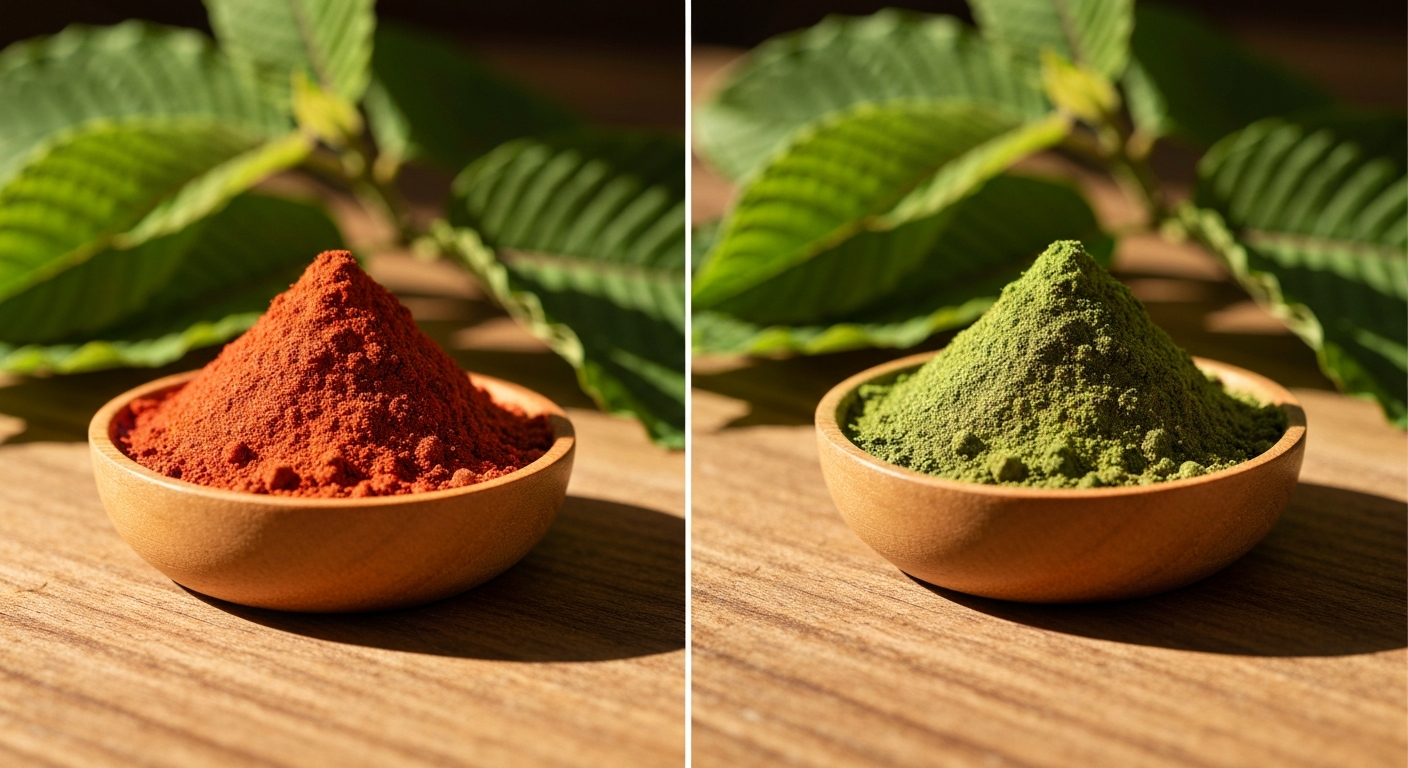
When purchasing powder, pay attention to the color. Kratom powder typically ranges from greenish to reddish-brown, depending on the vein color of the leaves used. This visual characteristic doesn’t affect testing but can indicate the general type of product you’re getting.
Capsules
Kratom capsules offer convenient, pre-measured doses of powder. The testing process for capsules examines the powder inside, not the capsule material itself. A quality vendor will test the contents and provide results that apply to the capsule you’re considering buying.
Capsules vary in size and fill amount. Some contain more powder than others, which affects how many capsules you might use per serving. Understanding the testing results for the powder contents helps you calculate dosing accurately regardless of capsule size.
The convenience factor makes capsules popular for people who want to take Kratom on the go or who dislike the taste of plain powder. Many vendors offer capsules alongside their loose powder options, giving customers choices.
Understanding Strain Differences and Testing
The word strain gets used frequently in the Kratom world, though it’s technically not botanically accurate since these are all the same species. What people call strains are actually different varieties or origins of Mitragyna speciosa. The distinction matters because it affects what you’re buying.
Testing results can vary between what people call different strains. This is perfectly normal and reflects the natural variation in plant chemistry. A Borneo product might test differently than a Bali product, and both might differ from Thai varieties. This variety is part of why people explore different options.
Some vendors assign strain names based on the color of the leaf veins, with red, green, and white being the most common designations. These color categories generally refer to the maturity of the leaves or the specific processing methods used. Testing reveals the actual alkaloid content regardless of what name appears on the label.
The strain you prefer often comes down to personal experience. Testing gives you the data to understand why different strains might produce different effects for you. Armed with this knowledge, you can make more informed choices about which products to try.
The Role of Source and Origin
Where Kratom comes from affects its characteristics in meaningful ways. The tropical forests of Indonesia produce the majority of the world’s Kratom supply. The specific islands and regions within Indonesia create subtle differences in growing conditions that influence the final product.
Farmers in these regions have generations of experience with the Mitragyna speciosa tree. They understand when to harvest, how to process the leaves, and what conditions produce the best quality. This traditional knowledge combines with modern quality control practices to create reliable products.
Some vendors emphasize direct relationships with specific farms or farmer cooperatives. This allows for better oversight of cultivation and harvesting practices. It also means vendors can often provide more detailed information about the origin of their products.
The journey from tree to your home involves several steps. After harvesting, the leaves are sorted, cleaned, and dried. They might be dried indoors or in sunlight, and the drying method can affect the final product characteristics. Then comes grinding into powder and packaging for shipping. Each step presents opportunities for quality control, which good vendors take seriously.
How Testing Protects Consumers
Lab testing serves as a protective measure for anyone who uses Kratom products. It provides verification that the product contains what it should and avoids what it shouldn’t. This information empowers you to make choices based on facts rather than assumptions.
When you see a product with current, comprehensive test results, you know someone has looked closely at what’s actually in that batch. The laboratory acts as an independent verifier, providing objective data that the vendor can then share with customers.
Testing also helps maintain consistency in the marketplace. Vendors who invest in testing differentiate themselves from those who don’t. This creates incentive for better practices across the industry, benefiting everyone who uses Kratom.
For customers, knowing about testing helps you ask better questions when shopping. You can verify that vendors actually provide test results and understand what those results mean. This knowledge makes you a more informed consumer.
What to Look for When Shopping
When you’re ready to buy Kratom, approach vendors with a checklist in mind. First, confirm that testing exists and is current. Second, check that the results are accessible to you. Third, verify that the testing covers the parameters that matter most to you.
Look for vendors who test every batch, not just occasionally. This level of commitment shows that the vendor takes quality seriously on an ongoing basis. Batch-specific testing means you can trace exactly what was tested when you made your purchase.
The comprehensiveness of testing matters too. Some testing panels are more thorough than others. Ideally, you want to see results that cover alkaloid potency, microbial screening, and heavy metals at minimum. More comprehensive panels provide greater reassurance.
Vendor communication can tell you a lot. How they respond to questions about testing, how they present test results on their website, and how transparent they are about their processes all factor into evaluating their reliability. Quality vendors want you to understand their testing because they have nothing to hide.
Building Your Knowledge About Kratom Testing
Understanding testing takes some time and attention, but it’s worth the effort. The more you learn about what testing involves, the better equipped you become at evaluating products and vendors. This knowledge serves you well every time you make a purchase decision.
Start with the basics of what testing measures. Once you understand why alkaloid content matters and what contaminants to watch for, you can evaluate test results more critically. You’ll notice whether results are complete or missing important information.
Follow developments in testing practices over time. As laboratories develop better methods and the industry adopts higher standards, your understanding should grow alongside these improvements. Staying informed keeps your knowledge current.
Share what you learn with others in the community. Many people who use Kratom appreciate learning about testing from those who have already done the research. This collective knowledge helps everyone make better choices.
Frequently Asked Questions
What Is Lab Tested Kratom?
Lab tested Kratom refers to products that have been analyzed by a scientific laboratory to verify their purity and potency. Testing typically checks for alkaloid content, heavy metals, microbial contaminants, and other substances. The results are usually made available to consumers through certificates of analysis.
How Do I Verify That Kratom Has Been Tested?
Look for test results on the vendor’s website or request them directly. Reputable vendors provide easy access to certificates of analysis that show specific test data. Check that the results are recent and cover the parameters important to you, including mitragynine content and contaminant screening.
Why Is Mitragynine Content Important?
Mitragynine is the primary active alkaloid in Kratom and largely determines the product’s potency. Knowing the mitragynine content helps you understand how strong a product is and lets you compare different options. Testing provides this information so you can make informed choices.
Where Can I Buy Lab Tested Kratom in Canada?
Several established vendors ship throughout Canada and provide comprehensive testing information. Look for companies that publish test results for every batch and can answer questions about their testing procedures. Canadian customers have access to the same quality standards as customers elsewhere.
What Should Contaminant Testing Include?
Comprehensive contaminant testing should screen for microbial issues like coliform bacteria, salmonella, yeast, and mold. It should also include heavy metal analysis checking for lead, arsenic, cadmium, and mercury. These tests ensure the product is clean and safe for consumption.
How Often Should Kratom Be Tested?
Ideally, every batch of Kratom should be tested before sale. Products from the same vendor can vary between shipments, so testing should be ongoing rather than a one-time event. Ask vendors about their testing frequency to understand their commitment to quality control.