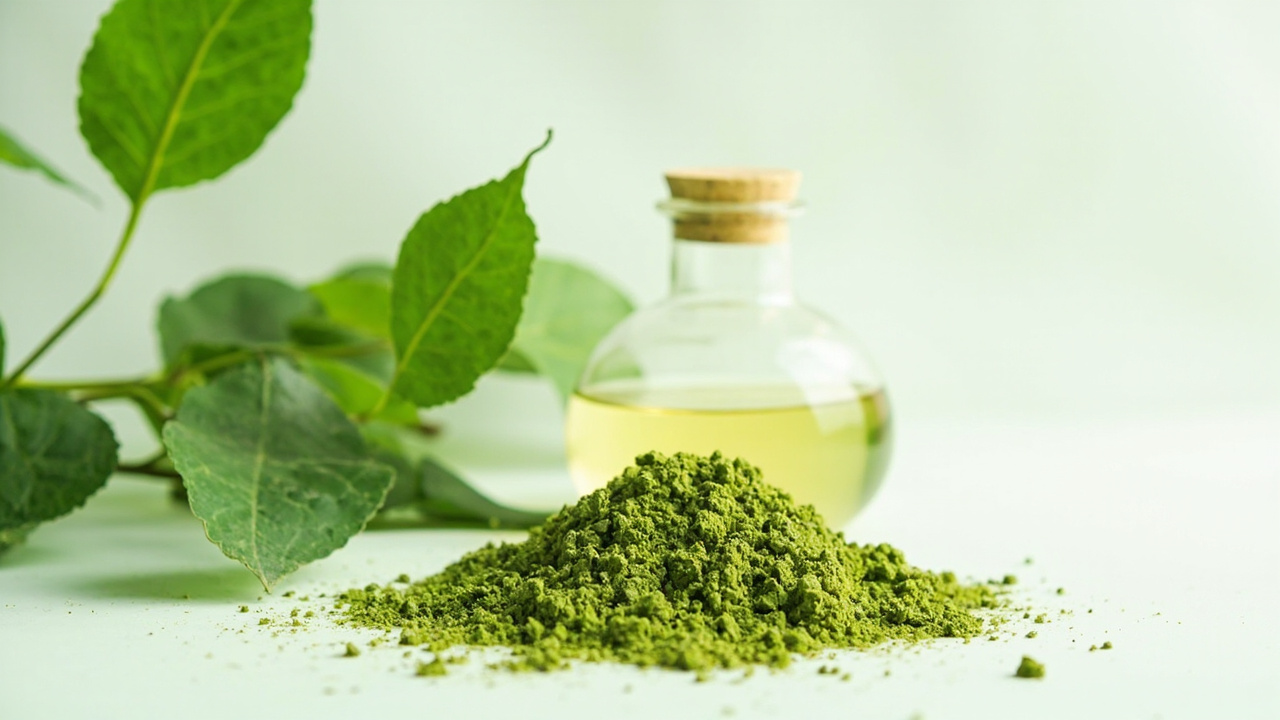
Kratom can ease opiate withdrawal because its main alkaloids act as partial agonists at the very same mu-opioid receptors that morphine and oxycodone hit. That overlap takes the edge off. Muscle aches, restless legs, cravings, all of it eases. The catch? It does this without the full punch of a prescription opioid. The plant is simple enough. It’s the powdered leaf of Mitragyna speciosa, a Southeast Asian tree. And back home, people have leaned on it for generations to manage opiate dependence.
What follows is a practical, honest walkthrough. How do people actually use kratom during opiate withdrawal? Which red vein strains and doses tend to matter most. A sample tapering schedule. The risks nobody should gloss over. But read this part twice. None of it is a treatment plan or medical advice. If you’re thinking about using kratom to manage opioid dependence, do it alongside a qualified harm-reduction or addiction medicine professional. That part isn’t optional. Full stop.
Why Kratom Can Help With Opiate Withdrawal
It comes down to receptor overlap. Kratom’s primary alkaloids, mitragynine and 7-hydroxymitragynine, are partial agonists at the mu-opioid receptor. So they switch on the same receptor system as morphine, oxycodone, and heroin. Just far more weakly. As the NIH National Library of Medicine, StatPearls Kratom notes, “Traditional use of kratom consisted of remedies for treating symptoms of opiate addiction and withdrawal”. That partial activation is the whole reason kratom can soften:
- Physical withdrawal symptoms (muscle aches, restless legs, cold sweats, GI cramps)
- Psychological withdrawal (anxiety, low mood, insomnia)
- Cravings
Formal research on kratom as a withdrawal aid is still thin. Let’s be straight about that. But the survey data is harder to wave away. In a survey of 136 long-term users in northern Malaysia, kratom was widely used to manage opioid withdrawal and to cut back on more expensive opiates (Vicknasingam et al., 2010, International Journal of Drug Policy). Add reports from the American Kratom Association and peer-reviewed harm-reduction work, and a picture forms. A fairly consistent one. People really do use it as an opioid substitute.
Best Kratom Strains for Withdrawal
For withdrawal, red vein strains win. No real contest. They’re the most sedating, the most analgesic, and the closest thing to an opioid-like profile you’ll find in a leaf.
1. Super Red Maeng Da
Red Maeng Da is the heavyweight. Deep pain relief paired with mood support. Super Red Maeng Da is our most potent red vein, and it’s the one most people reach for during acute withdrawal. Strong body relief. Real pain reduction. A steadier mood underneath it all.
2. Super Red Bali
Maeng Da hits hard. Red Bali doesn’t. It’s softer, more sedating. Super Red Bali shines after dark. Think restless legs. Think insomnia. That all-over body tension that creeps in at night during withdrawal, when everything feels louder. This is the nighttime one.
3. Kratom Active Reserve Blend
Sometimes you want both. Our Reserve Blend is a multi-strain mix built for a broad effect profile. Handy when you need the analgesic depth of Red Maeng Da and the sedation of Red Bali in one cup. Two jobs. One dose.
Dosing for Withdrawal
Here’s the thing about withdrawal dosing. It runs higher than recreational or wellness amounts, because the point is to actually suppress symptoms. As the American Kratom Association notes, “Kratom can be a harm reduction tool for those struggling with opioid dependency”. Most people land somewhere in this range:
- Acute withdrawal: 4–6 g, every 4–6 hours
- Post-acute (days 4+): 3–5 g, every 6 hours, tapering
- Stabilization: 2–4 g, 2–3 times/day
Keep total daily use under 20 g. That’s the ceiling. Go above it and the side effects pile up fast, and so does the risk of building a kratom dependence of your own. Not a trade you want.
A Realistic Tapering Schedule
Stabilize first. Then reduce, slowly and on purpose. Here’s a conservative version that works for a lot of people:
| Phase | Duration | Dose |
|---|---|---|
| Stabilization | Days 1–7 | 4–5 g, 3x/day |
| Early taper | Week 2–3 | 3–4 g, 2x/day |
| Mid taper | Week 4–5 | 2–3 g, 2x/day |
| Late taper | Week 6–8 | 1.5–2 g, 1x/day |
| Off | Week 9+ | 0, PRN only |
Treat that as a starting point, not gospel. A real taper bends. It bends around how long and how heavily someone used opioids, their underlying health, and the support they’ve got around them. Yours might look different. That’s fine.
Risks You Need to Know
Using kratom for withdrawal isn’t risk-free. Dependence. Dangerous interactions. Sketchy products. Know each one going in.
Kratom dependence is real
Daily high-dose use builds its own dependence. Full stop. Kratom withdrawal is milder than opioid withdrawal, sure, but it’s still no fun, and leaning on kratom to dodge opioid withdrawal can quietly turn into a kratom taper that never ends. So have an exit plan. From day one. As the NIH PMC, Kratom Pharmacology Review notes, “Kratom has significantly less potential for dependence and overdose than traditional opioids”.
Dangerous drug interactions
Do not combine kratom with:
- Alcohol
- Benzodiazepines (Xanax, Ativan, Klonopin, Valium)
- Other opioids
- Gabapentin or pregabalin at high doses
- MAOI antidepressants
Every one of these raises the risk of respiratory depression when stacked with kratom. Read that again. This is the part that kills people.
Product quality matters more than ever
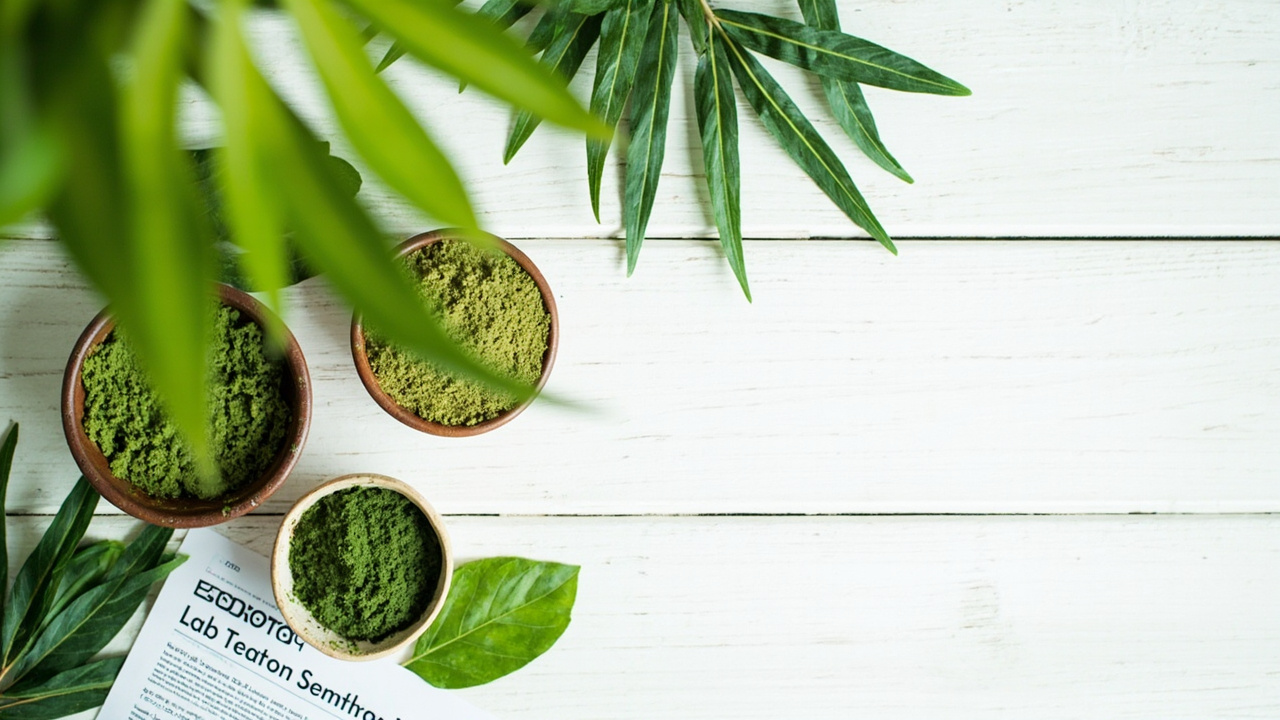
Adulterated kratom is a genuine hazard. Powder cut with 7-OH extracts, spiked with synthetic opioids, or contaminated with heavy metals or salmonella becomes far more dangerous. And that’s doubly true during withdrawal, when your system is already running on fumes. So stick to lab-tested kratom from a reputable vendor. No exceptions. None.
Harm Reduction Essentials
Harm reduction is a simple idea. Lower the danger of drug use without demanding abstinence as the price of admission. That’s it. A few essentials keep a kratom-supported withdrawal as safe as it can be.
- Keep naloxone (Narcan) on hand. Available free in every province. It can reverse an opioid overdose if relapse happens.
- Don’t use alone. Call a peer, use Canada’s National Overdose Response Service (1-888-688-6677), or the BC Drug Checking line.
- Stay hydrated and eat. Withdrawal depletes electrolytes; kratom can worsen constipation.
- Consider working with a counselor or harm-reduction worker. Kratom can help the body; it won’t do the behavioral work alone.
When Kratom Isn’t Enough
Been on high-dose opioids for more than a few months? Then medically supervised treatment is the safer road. Buprenorphine (Suboxone), methadone, or a supervised taper. Canada funds these publicly, for free, in every province. Kratom can play a supporting role here. For serious dependence, though, it rarely carries the load on its own. Be realistic about that.
Why Lab-Tested Kratom Matters for Withdrawal
Every batch we ship gets third-party tested. Alkaloid content, heavy metals, microbial contamination, all of it. We never sell extract-spiked powder or 7-OH concentrates. Ever. When your body is already destabilized, consistency and purity stop being a nice-to-have. They become the whole point. See our guide, Lab Tested Kratom.
Kratom for opiate withdrawal questions
Is kratom legal in Canada for this use?
Yes. Kratom is legal to buy, sell, and possess in Canada, and it isn’t a scheduled substance. Health Canada doesn’t approve it for treating any condition, opioid dependence included. But personal possession and use? Perfectly legal.
Will kratom show up on a drug test?
Not on a standard 5-panel or 10-panel opioid test. Kratom-specific tests do exist. They’re rarely used in practice, though.
How long until kratom withdrawal ends?
If you’ve built a dependence on kratom itself, physical withdrawal usually clears in 5–10 days. Much gentler than opioid withdrawal. Not nothing. But gentler.
Resources
- National Overdose Response Service (NORS): 1-888-688-6677
- Canadian Centre on Substance Use and Addiction: ccsa.ca
- Provincial crisis lines: 1-833-456-4566
Support From a Canadian Vendor
Exploring kratom as a harm-reduction option? Browse our red vein strains or contact us with any questions. Same-day shipping on orders before 11 AM PST. Free shipping over $99 CAD.
What the first seventy-two hours of opiate withdrawal actually look like, hour by hour
The acute phase lasts roughly seventy-two hours. Kratom changes its character without erasing it. That’s worth saying plainly. Setting expectations honestly matters here. Why? Because it’s what keeps people in the plan instead of bailing at the worst moment, which lands almost every time somewhere between hour thirty-six and hour fifty. Know that’s coming.
That first dose of a red strain, usually four to five grams of red Maeng Da, takes the sharpest edge off inside forty-five minutes. The restless legs ease. The cold sweats and that crawling skin sensation soften noticeably. There’s a mood lift too. It’s modest, mind you, and nothing about it resembles the original opioid someone is tapering from. Which is exactly the point. It’s not a high. It’s a floor.
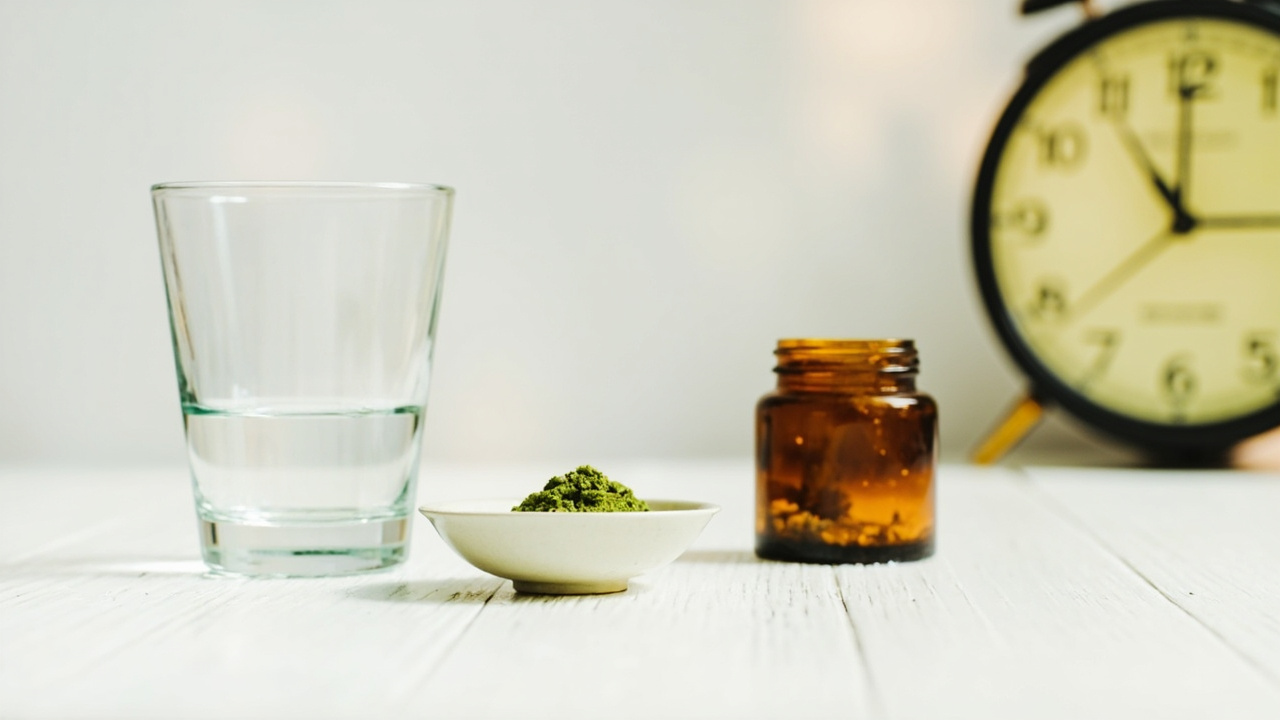
Hour twelve through hour twenty-four is where the redose schedule earns its keep. Four grams every five to six hours, set by alarm, closes the gap that triggers the worst symptoms. Don’t expect real sleep on day one. It won’t come. Or it comes light and broken even with a bigger evening dose, and most people doze in two or three hour stretches rather than sleeping through. That’s normal. Expect it.
Then days two and three. Here’s the surprise. They’re often harder than day one. The novelty’s gone. The body is wrecked. Motivation tanks. This is the window where peer support, a structured day, and a phone call to a harm reduction worker make the biggest difference. Kratom is one tool. Community is another. Neither one covers for the other.
Building the support team that keeps people through the worst week
The biggest predictor of whether a kratom-supported withdrawal sticks isn’t the protocol. It isn’t the dosing schedule. It isn’t even the strains. It’s the support structure around the person doing the work. Five days alone in an apartment with a bag of red Maeng Da and good intentions almost always ends one way. Now picture the other version. Five days with a peer checking in, a counsellor on standby, and a clear plan for week two? Much better odds.
A minimum viable support team in Canada looks roughly like this. One person who knows what you’re doing and checks in once a day. Text is fine. One harm reduction worker or counsellor reachable by phone, and most provinces have free options, with the National Overdose Response Service line at 1-888-688-6677 available coast to coast. One medical contact, too. Usually a family doctor briefed honestly about the kratom plan, who can write a buprenorphine prescription if things go sideways. Three people. That’s the spine of it.
And naloxone. Free in every province at pharmacies. Even with a clean kratom plan, relapse risk peaks in the first ten days off opioids, because tolerance has dropped, which means a previous regular dose can turn fatal. Let that land. So stock it. Two naloxone kits in the home, plus one with the support person who checks in daily. Call that the floor.
The week-two plan matters every bit as much as week one. Maybe more. Most opioid relapses happen between days seven and twenty-one, after the acute withdrawal eases but before the brain has reorganized around abstinence. So plan at least one structured activity a day through that stretch. A walk. A meeting. A coffee with your support person. Anything that breaks the boredom and rumination that drive relapse. Kratom helps the body. Structure helps the mind. You need both.
This article is for harm-reduction education only. It is not medical advice and does not replace working with a qualified addiction medicine or harm-reduction professional. If you or someone you know is struggling with opioid dependence, please reach out for support.
Ready to get lab-tested kratom in Canada? Browse our lab-tested kratom powders and capsules, delivered to every province.